

The Psychopath Survey opens with a brief explanation of its purpose — assessing behavioral patterns and emotional responses related to psychopathic tendencies — before walking respondents through seven single-choice questions. The first four questions probe impulsivity, empathy toward others in distress, guilt after causing harm, and use of charm or manipulation, building a picture of how the respondent relates to other people. Questions five through seven then turn inward, asking about emotional depth, willingness to accept personal responsibility, and the ease of charming people regardless of genuine regard for them. Every question is required, keeping the dataset complete for professional evaluation. After submitting, respondents see a brief confirmation that their answers have been recorded.
Try the conversation below to see how this template works
Trusted by over 10,000 customers and growing
Conversations Started
Questions Answered
Forms Created
Rely on the "If your actions cause harm or distress to another person, what is your typical reaction?" and "When witnessing someone in distress, how would you describe your typical emotional response?" questions to gather self-reported empathy and guilt data ahead of a formal evaluation session.
Use the "How would you characterize the depth and range of emotions you typically experience?" and "How often do you act impulsively without fully considering the potential consequences?" questions to collect consistent, comparable data across large study samples.
Depend on the "How frequently do you use charm, flattery, or manipulation to influence others to achieve your goals?" and "When faced with negative outcomes, how often do you readily accept personal responsibility for your role?" questions to flag manipulation patterns and responsibility-avoidance relevant to risk evaluation.

AI builds and refines your form through natural conversation no templates, no complex logic, no coding. From a simple text prompt or URL, Dashform generates intelligent flows that adapt automatically.
Dashform turns traditional form-filling into a two-way dialogue. The AI understands intent, remembers context, and asks relevant follow-up questions just like a real human conversation.
Every response is transformed into structured, meaningful, and ready-to-use data. Integrate with your favorite tools.
Everything you need to create amazing forms
Everything you need to know about this template
Don't see exactly what you need? Use our AI Form Generator to create a custom form in seconds. Just describe what you want, and AI will build it for you.
Explore more templates to find the perfect fit
 Document Submission
Submit proposed materials, equipment, shop drawings, or work methods for project team review and approval.
 Registration
Collect a child's legal name, date of birth, parent/guardian contact, emergency contact, and medical notes in one tidy form.
 Contact
A clean, paper-themed contact form that captures name, email, subject, message, and contact preferences.
 Information Request
Collect a contact's name, email, phone number, and optional mailing address in one clean, straightforward form.
 Checklist
Document your organization's emergency contacts, safety policies, medical protocols, and response plan in one structured checklist.
 Agreement
Formally document the removal or waiver of real estate purchase agreement contingencies with a clear, step-by-step form.
Learn how to get the most out of your forms and templates

Explore eight contractor form templates for project inquiries, estimates, inspections, work orders, and follow-up, with practical setup and review advice.

8 law firm intake form templates: case evaluation, conflict check, retainer agreement, and more, as free AI-powered forms.
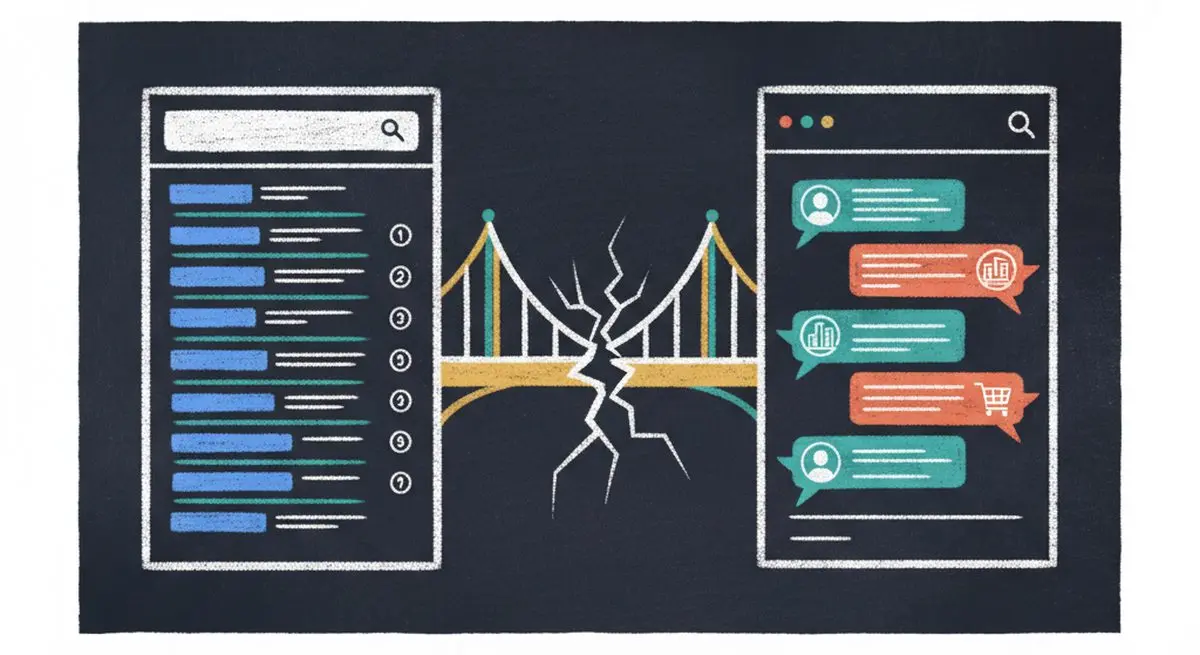
SEO alone isn't enough anymore. The difference between SEO, AEO (Answer Engine Optimization), and AXO, and how to appear in ChatGPT, Claude, and AI agent recommendations.
Try the world's first AI-native form and turn every response into action instantly.