


Client qualification used to be simple.
A prospect booked a call, explained their situation, and the coach decided whether to move forward. That approach worked when lead volume was low and coaching was mostly one-on-one.
Today, that model breaks down quickly.
Modern coaching businesses attract more leads, offer multiple programs, and operate across different levels of readiness. Qualification is no longer a moment — it’s a process.
Coaching Client Qualification: Methods Compared
| Method | Time Investment | Qualification Accuracy | Client Experience | Scalable |
|---|---|---|---|---|
| AI Assessment Quiz | 5 min (client) | 85-95% | Excellent — instant results | Yes |
| Discovery Call | 30-60 min | 60-75% | Good — personal | No |
| Application Form | 10-15 min | 50-65% | Neutral | Yes |
| Free Consult | 15-30 min | 55-70% | Good | No |
| Referral Only | Varies | 70-80% | Varies | No |
Learn how AI is transforming client intake: read our guide to AI quiz funnels for lead qualification and see the best tools for coaches.
Quick Summary
Modern coaching qualification is no longer a discovery call decision — it’s a structured system.
- Traditional call-based qualification doesn’t scale with higher lead volume
- Structured intake captures goals, budget, urgency, and program alignment early
- Scoring and segmentation turn subjective decisions into repeatable logic
- Automated routing protects calendar time and prioritizes high-fit prospects
- Qualification before the call leads to shorter, clearer, and more effective conversations
High-performing coaching businesses separate intake, evaluation, and follow-up — turning qualification into a scalable growth process instead of a bottleneck.
Why Traditional Qualification No Longer Works
In many coaching businesses, qualification still happens inside discovery calls.
This creates several problems:
- Coaches spend time qualifying instead of coaching
- Important context is uncovered too late
- Low-fit prospects consume high-value time
- Follow-ups depend on memory and manual notes
As lead volume increases, these inefficiencies compound.
The result is a calendar that feels busy — but not productive.
Qualification Is a System, Not a Conversation
High-performing coaches approach qualification as a structured system.
Instead of asking:
“Can I decide if this person is a good fit during a call?”
They ask:
“How can my system decide who deserves a call?”
This shift separates evaluation from conversation, allowing both to work better.
The Modern Client Qualification Funnel
A modern qualification process typically follows five clear stages.
1. Structured Intake
Everything starts with a structured intake form.
Rather than a generic contact form, modern intake captures:
- Goals and challenges
- Program interest
- Budget expectations
- Timeline and urgency
This sets the foundation for every step that follows.
2. Assessment and Evaluation
Once information is collected, assessments help evaluate fit.
Assessments can measure:
- Readiness to take action
- Alignment with program requirements
- Commitment level
- Complexity of the situation
This is where many coaches first encounter scoring-based tools.
Some coaches start here with scoring tools, while others eventually explore ScoreApp Alternatives for Coaches as their workflows grow more complex.
3. Scoring and Segmentation
Evaluation becomes useful when it leads to decisions.
Scoring and segmentation allow coaches to:
- Identify high-fit prospects
- Separate exploratory leads from committed ones
- Route different client types into different paths
At this stage, qualification becomes repeatable instead of subjective.
4. Routing and Next Steps
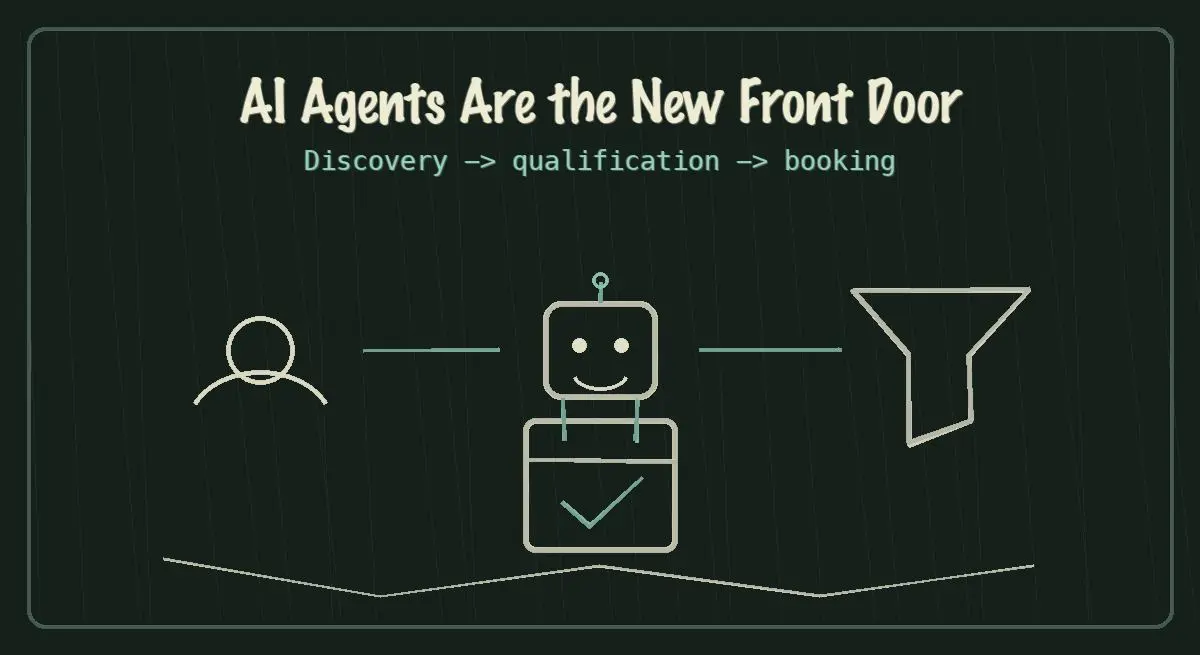
Once leads are segmented, the system decides what happens next.
Examples include:
- Qualified leads receive a calendar link
- Medium-fit leads receive educational content
- Low-fit leads are redirected to self-serve resources or waitlists
This ensures that discovery calls are reserved for prospects who are ready.
This approach directly addresses the issues discussed in Why Coaching Discovery Calls Fail.
5. Automated Follow-Up
Follow-up is where many qualification systems break down.
Without automation, coaches rely on reminders, notes, or manual emails.
Automation ensures that:
- Every lead receives a response
- Messaging matches qualification level
- No opportunities fall through the cracks
This is especially important as lead volume grows.
Where Automation Changes Everything
Manual qualification works — until it doesn’t.
Automation allows coaches to:
- Maintain consistency across every inquiry
- Reduce admin work without losing personalization
- Scale lead handling without scaling effort
Rather than replacing human judgment, automation protects it.
From Scoring to Systems
Scoring is valuable, but it’s only one piece of the puzzle.
Modern qualification systems connect:
- Intake
- Assessment
- Scoring
- Segmentation
- Routing
- Follow-up
When these pieces work together, qualification stops being a bottleneck and becomes a growth lever.
Choosing the Right Qualification Setup
Not every coach needs the same level of complexity.
- Early-stage coaches may only need basic assessments
- Growing coaches benefit from segmentation and routing
- Scaled programs require automation and systemization
The right setup depends on where your business is today — and where you want it to go next.
The International Coaching Federation (ICF) reports that the coaching industry reached $4.564 billion in 2023. For client management best practices, see Harvard Business Review's coaching research.
Final Thoughts
The modern client qualification process isn’t about filtering people out.
It’s about protecting time, setting expectations, and creating better experiences on both sides.
When qualification happens before the call — and not during it — discovery conversations become clearer, shorter, and far more effective.
For coaches looking to grow sustainably, treating qualification as a system is no longer optional.
If you want to see how a system like this can be implemented in practice, Dashform AI helps coaches build structured intake forms, assessments, and automated qualification workflows — all in one place.