


OpenClaw is one of the most talked-about open-source AI agent platforms. Law firms are now exploring how AI agents can automate client intake, case management, and document processing. But the critical first step — qualifying whether a potential client even has a viable case — still happens through outdated contact forms and phone calls. Dashform's AI-powered intake quizzes solve exactly this problem.
The workflow below is a proposed configuration, not a verified law-firm deployment. Dashform can collect answers through an authored intake form. An external OpenClaw agent needs separately configured access to each system. Attorneys must retain control of conflicts, legal deadlines, case assessment, and engagement decisions.
Law Firm Intake: Traditional vs OpenClaw + Dashform
| Task | Proposed form workflow | Required review |
|---|---|---|
| Initial inquiry | Collect matter type and contact details | Staff checks completeness |
| Conflicts | Gather names needed by the approved process | Firm performs and reviews its conflict check |
| After-hours intake | Accept a reply with accurate contact instructions | Do not imply emergency monitoring |
| Consultation | Collect preferences or link to a scheduler | Confirm appointment separately |
| Case assessment | Preserve the respondent's account | Attorney evaluates viability and deadlines |
The Problem: Law Firm Lead Qualification
Legal marketing is one of the most expensive lead generation verticals, with costly clicks for personal injury and family law keywords. Yet many law firms convert these expensive clicks with the same website experience they had a decade ago: a generic contact form asking for name, phone, email, and 'briefly describe your legal matter.'
- Potential clients often contact several law firms at once. The firm that responds fastest and most professionally wins the case.
- Phone-based intake screening takes a long time per lead. A paralegal or intake specialist asks basic qualification questions that could have been captured digitally.
- After-hours inquiries (evenings and weekends) go unanswered until the next business day. By then, the potential client may have hired another firm.
- No qualification scoring means paralegals spend equal time on strong and weak cases. A slip-and-fall with major medical bills gets the same intake treatment as a minor fender-bender.
How Dashform Case Evaluation Quizzes Work
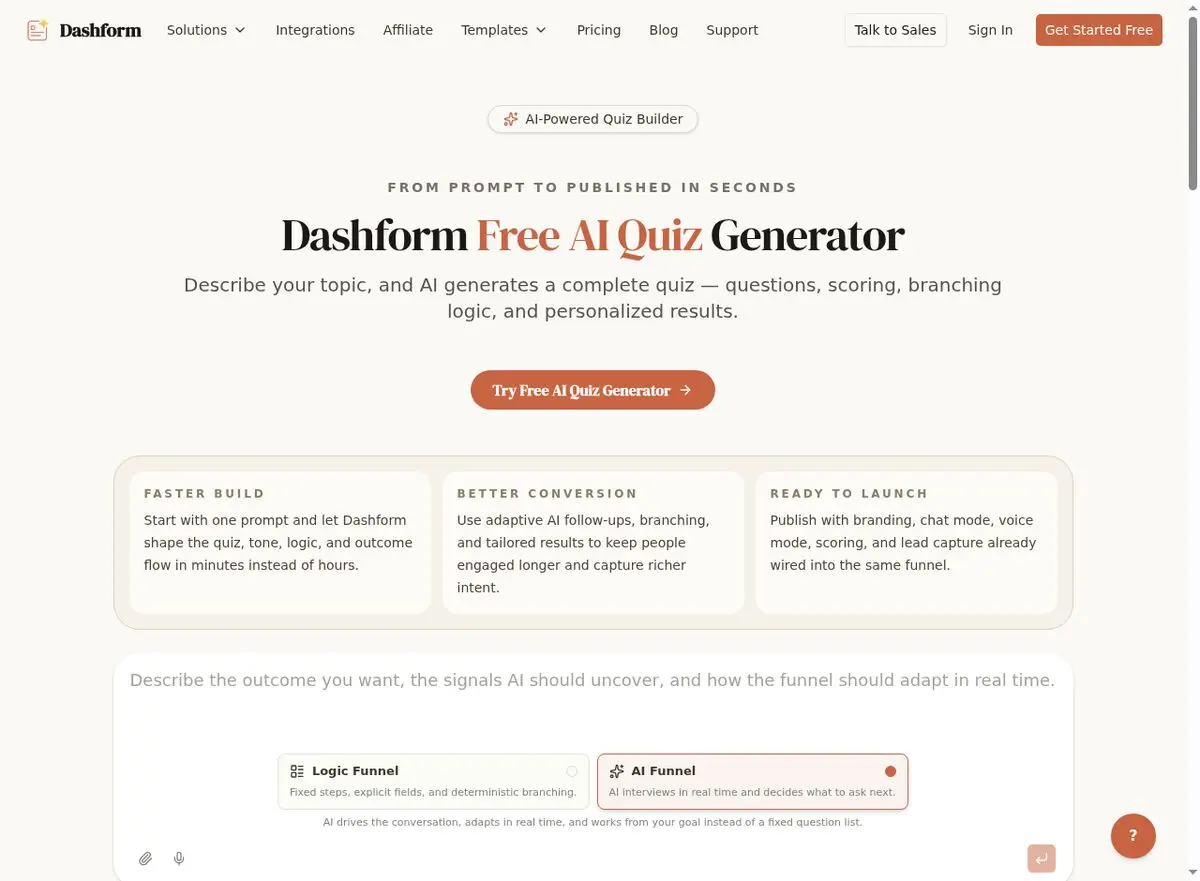
The Dashform AI Quiz Generator creates practice-area-specific case evaluation quizzes that replace generic contact forms.
Here is an example to review with the firm's attorneys:
- A potential client visits the firm website and sees 'Share Your Inquiry for Attorney Review.'
- The quiz asks structured questions: incident type (car accident, slip and fall, medical malpractice, workplace injury), date of incident, injury severity, medical treatment received, insurance status, fault determination, and prior legal representation.
- An attorney reviews viability, liability, and deadlines. If you enable Lead Scoring, restrict hot, warm, and cold criteria to administrative service fit and treat the verdict as a review aid, never a legal determination or automatic rejection.
- Every lead provides structured, scorable data instead of a free-text message that requires human interpretation.
OpenClaw Agent: Automating the Legal Intake Pipeline
After collecting an inquiry, configure and test each external handoff separately:
Instant Response and Conflict Check
Configure an acknowledgment that accurately describes the firm's review process. Any access to the client database requires separate authorization and integration. A firm-approved conflict check and human review must precede reliance on an automated suggestion.
Smart Case Routing
Define routing rules with the firm and test an external automation if needed. Preserve the original answers alongside a clearly identified AI summary, and assign a reviewer for ambiguous inquiries.
Document Collection
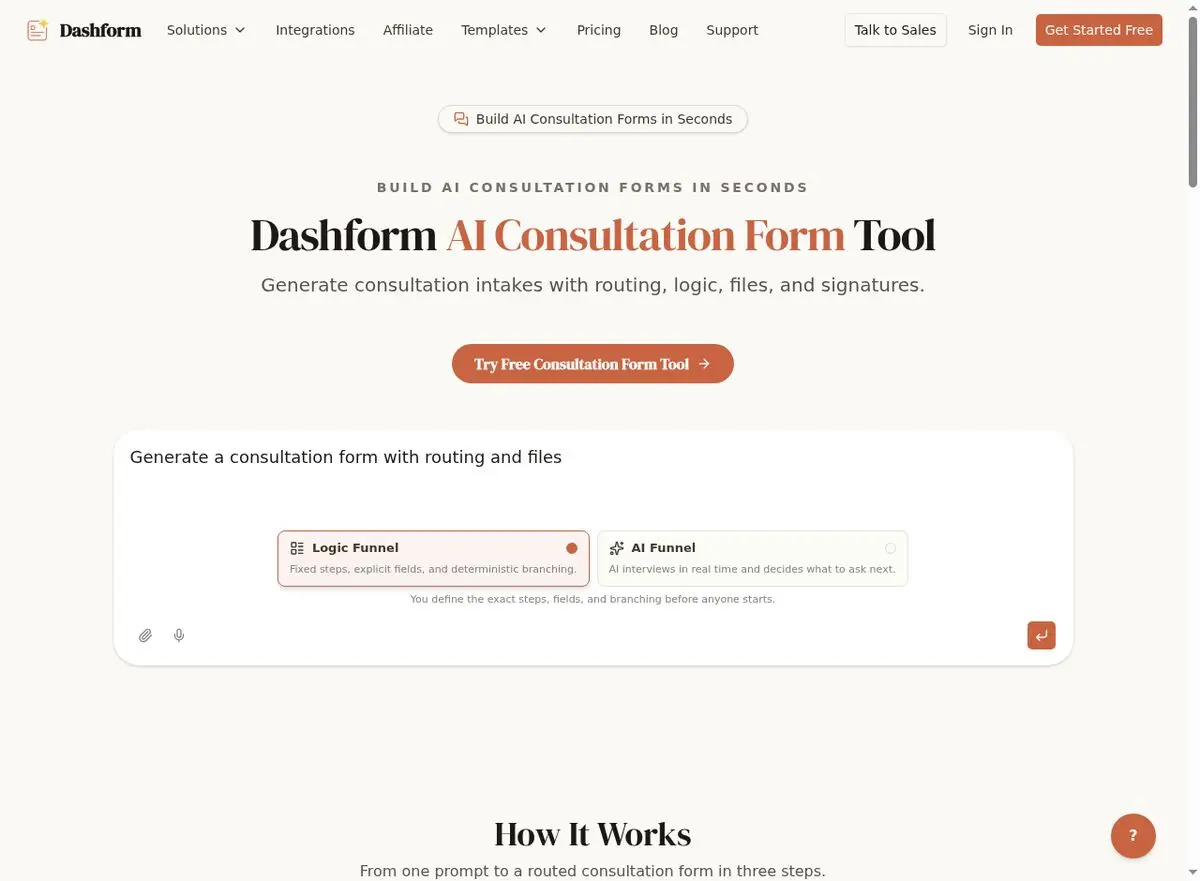
The agent sends a Dashform consultation form requesting relevant documents: accident reports, medical records, insurance correspondence, photos of injuries or property damage. The form adapts based on case type — a workplace injury case requests different documents than a car accident.
Consultation Prep and Follow-Up
A configured agent may prepare a draft summary for attorney review. Engagement letters, fees, and follow-up messages require firm-approved content and authorization before sending; form completion does not establish representation.
What Changes for a Law Firm
Evaluate the pilot with staff:
- Are the required inquiry details present?
- Is the next-step message accurate?
- Are urgent or unclear inquiries routed to a person through a tested process?
- Do staff retain the source answers and control over legal decisions?
Information an Attorney May Need by Practice Area
| Practice Area | Information for Review |
|---|---|
| Personal Injury | Injury severity, treatment, liability, statute of limitations |
| Family Law | Matter type, children, assets, urgency |
| Criminal Defense | Charges, court dates, custody status |
| Employment Law | Employer size, claim type, filing deadlines |
| Immigration | Status, family relationships, deadlines |
Getting Started for Law Firms
Start with your highest-volume practice area. Build a case evaluation quiz with the AI Quiz Generator — describe your practice area and the AI generates qualification questions with scoring logic. Connect to OpenClaw via the Dashform MCP API for automated follow-ups.
Expand to pre-consultation document collection , post-case satisfaction surveys , and referral surveys . Start free.
Frequently Asked Questions
Is this appropriate for legal client intake?
Use it only after the firm reviews the questions, disclosures, data handling, and follow-up process. Collect information for attorney review, without promising case viability, legal advice, or representation.
Can the quiz handle multiple practice areas?
Absolutely. The quiz starts with a practice area selection question, then branches into practice-specific qualification questions. A personal injury path asks different questions than a family law path. Each path has its own scoring logic and routing rules.
How does this handle confidential information?
Review current security and privacy documentation and the firm's data requirements before collecting confidential material. Have counsel approve the intake notice; a form cannot promise privilege or establish an attorney-client relationship by itself.
Will this replace our intake paralegals?
The form collects information for the intake team. Staff still review answers, resolve ambiguity, and support attorneys; any workload change must be measured in your own process.
What about complex cases that need human judgment?
Assign human review and test your escalation rules explicitly. Do not assume the AI recognizes every complex case, deadline, or conflict. Legal judgment belongs to the firm's qualified professionals.