


The contact us page is often the most overlooked element of a website's conversion strategy. While businesses spend thousands on design, content, and SEO, the humble contact form gets minimal attention — despite being where prospects become leads. A well-designed contact form does more than collect messages; it qualifies visitors, gathers valuable data, and sets the tone for your business relationship. In this guide, we'll explore examples of outstanding contact us forms, best practices for design and fields, and how Dashform helps you create contact forms that convert.
Why Your Contact Form Matters
- It's often the final step before a lead converts
- Shapes first impression of your business
- Can qualify or disqualify leads automatically
- Gathers data for CRM and follow-up
Research shows that optimizing contact forms can increase lead capture by 25-40%.
Contact Form Impact
| Metric | Poor Form | Optimized Form | Impact |
|---|---|---|---|
| Lead Capture Rate | 15-20% | 35-50% | 2x more |
| Lead Quality Score | 35/100 | 75/100 | 2x better |
| Follow-up Efficiency | Manual triage | Auto-qualified | 90% faster |
| Customer Satisfaction | Generic process | Personalized | Much higher |
Essential Elements of High-Converting Contact Forms
1. Minimal Required Fields
- Only ask for information you actually need immediately
- Name and email are typically essential
- Phone number should be optional unless critical
- Every extra field reduces completion by 4-7%
2. Smart Field Types
- Use dropdowns for predefined options
- Checkboxes for multi-select when appropriate
- Date pickers for scheduling needs
- Text areas for detailed messages
3. Clear Purpose
- Tell users WHY you're asking for each piece of info
- Explain how you'll use their data
- Set expectations for response time
- Show available support channels
4. Trust Signals
- Display privacy assurance
- Show testimonials or trust badges
- Display response time commitment
- Show company contact info alongside form
Contact Us Form Examples by Industry
Professional Services
- Service selection dropdown
- Budget range selector
- Timeline/deadline field
- Project description textarea
- Company name for B2B
E-commerce
- Order number field
- Product name/sku
- Issue type selection
- Photo upload option
- Order date
Healthcare
- Insurance provider
- Preferred appointment times
- Reason for visit
- Current medications (optional)
- Primary care physician
Real Estate
- Property type interest
- Budget range
- Timeline to buy/rent
- Location preferences
- Number of bedrooms needed
SaaS / Tech
- Company size
- Current solution used
- Number of users
- Primary use case
- Timeline for implementation
Financial Services
- Investment amount range
- Financial goal selection
- Risk tolerance
- Time horizon
- Existing portfolio (yes/no)
Contact Form Best Practices
1. Progressive Disclosure
Show basic fields first, then reveal advanced options based on user selections.
- Start with name and email only
- Show relevant fields based on initial answers
- Reduce cognitive load for faster completion
2. Smart Defaults
- Pre-fill based on referral source
- Set reasonable defaults
- Remember returning visitors
- Auto-detect location when appropriate
3. Inline Validation
- Validate fields as users type
- Show helpful error messages
- Confirm email format in real-time
- Indicate required vs optional clearly
4. Mobile Optimization
- Large touch targets for all inputs
- Native keyboard types (email, tel, number)
- Easy dropdown access on mobile
- Test on actual mobile devices
5. Success State
- Show confirmation message immediately
- Set clear expectations for response
- Offer alternative contact methods
- Consider showing relevant next steps
Advanced Contact Form Strategies
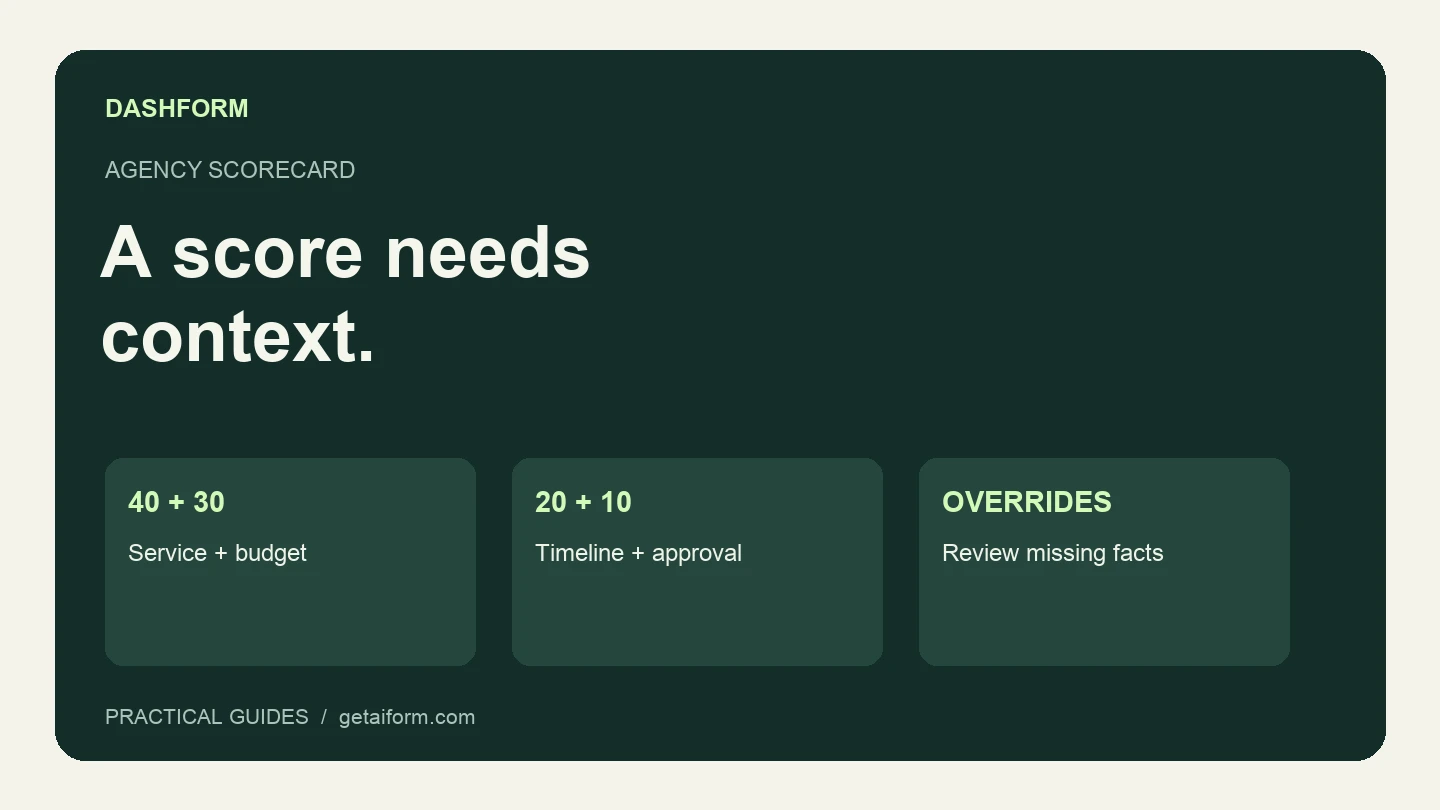
Lead Qualification
Auto-score leads based on form inputs.
- Assign points to different field values
- Route high-score leads to sales immediately
- Add lower-score leads to nurture sequences
- Tag leads for targeted follow-up
Conditional Logic
- Show fields based on previous answers
- Different flows for different user types
- Skip irrelevant questions
- Personalize based on referral source
Integration with CRM
- Automatically create deals/tickets
- Assign to appropriate team members
- Trigger automated workflows
- Sync with marketing automation
Contact Us Form Mistakes to Avoid
1. Too Many Fields
Fields vs Conversion
| # of Fields | Completion Rate | Drop-off |
|---|---|---|
| 3-4 fields | 80-90% | 10-20% |
| 5-7 fields | 60-70% | 30-40% |
| 8-10 fields | 40-50% | 50-60% |
| 10+ fields | 20-30% | 70-80% |
2. Poor Labeling
- Use clear, conversational labels
- Avoid jargon or technical terms
- Use placeholder text as hints, not labels
- Include help text for complex fields
3. No Spam Protection
- Implement CAPTCHA or honeypot
- Rate limiting on submissions
- Email confirmation for validation
- Monitor for suspicious patterns
4. Ignoring Analytics
- Track form abandonment points
- Measure time to complete
- A/B test field variations
- Monitor conversion by traffic source
How Dashform Creates Better Contact Forms
Dashform transforms contact forms from simple message collectors to lead qualification machines:
- AI Form Builder - Describe your needs and AI generates the optimal form structure.
- Conditional Logic - Show relevant fields based on user responses.
- Lead Scoring - Automatically qualify and route leads.
- CRM Integration - Connect directly to your sales pipeline.
- 100+ Templates - Start with proven contact form templates.
Contact Form Templates Worth Copying
The Quick Contact
- Name (required)
- Email (required)
- Message (required)
- Best time to contact (dropdown)
The Qualified Lead Form
- Name and email
- Company name
- Service interest (dropdown)
- Budget range
- Timeline
- Project details
The Support Form
- Order/Account number
- Issue category
- Urgency level
- Description with file upload
The Consultation Request
- Name and email
- Phone number
- Company
- Consultation type
- Preferred date/time
- Topics to discuss
Measuring Contact Form Success
Key Contact Form Metrics
| Metric | Poor | Average | Excellent |
|---|---|---|---|
| Completion Rate | <40% | 40-60% | >60% |
| Avg Submission Time | >3 min | 1-2 min | <1 min |
| Lead Quality Score | <40 | 50-70 | >70 |
| Follow-up Response | >24 hrs | 4-12 hrs | <2 hrs |
Frequently Asked Questions
How many fields should a contact form have?
Keep it to 3-5 fields for maximum conversion. Only add fields that are essential for your initial response. You can gather more information through progressive profiling after the initial contact.
Should I require a phone number?
Only require phone if your business model requires phone conversations. Making phone optional typically increases form completion by 15-20% while still capturing numbers from interested leads.
What's the best way to reduce spam?
Use a honeypot field (hidden from users but visible to bots), implement rate limiting, and consider a simple checkbox verification. Avoid frustrating users with complex CAPTCHAs.
How quickly should I respond to contact form leads?
Response time directly impacts conversion. Leads who receive responses within 1 hour are 7x more likely to convert. Aim for under 4 hours during business hours.
Should I use a popup or embedded form?
Test both. Embedded forms work well for informational pages. Popup forms can work for exit intent or specific triggers. Ensure they're not intrusive.
How do I measure contact form performance?
Track: submission rate, abandonment rate, time to complete, lead quality scores, conversion to customers, and response time. Set up goals in analytics to measure full funnel.
Conclusion: Optimize Your Contact Form Today
Your contact form is a revenue-generating asset, not just a utility page. Every field, label, and button choice impacts whether visitors become leads.
Start optimizing today. Try Dashform — build smart contact forms with AI-powered lead qualification that turn more inquiries into customers.