


Reflect on canceled plans, difficult feedback, insecurity, and unresolved arguments through ten relationship scenarios. "How do you typically handle an argument that escalates past the point of calm?" distinguishes speaking up, withdrawing, deflecting, and silently agreeing. The displayed Ending is chosen randomly and is not determined by your answers. These labels invite examination of a habit, not a diagnosis of you or your partner, and the available choices cannot capture every relationship context. The example "The Stonewaller" concerns withdrawal during conflict; compare it with your own experience rather than accepting an assigned label.
One of the listed results is selected at random. Your answers are not scored or used to choose the result.
Create engaging quizzes tailored to your brand. Our AI-powered quiz generator helps you build personalized assessments that capture attention and drive engagement.
Discover what your quiz results might reveal

Random sample Ending, unrelated to your answers. This sample profile may suggest withdrawing when conflict feels overwhelming. Silence can leave a conversation unresolved, but taking a pause is different from using silence to punish someone. If this fits, try naming your need for a break and agreeing when to return, provided the conversation is safe. This label describes a possible habit, not your character or your partner’s experience.

Random sample Ending, unrelated to your answers. This sample profile may describe repeatedly checking for reassurance, replaying exchanges, or anticipating rejection. Those reactions can make uncertainty harder to tolerate, but the quiz cannot tell where they come from. Consider stating a concern directly and separating what you know from what you fear. Your safety and relationship context matter more than a playful label.

Random sample Ending, unrelated to your answers. This sample profile may lean toward explaining yourself or raising a counterexample before taking in feedback. If you recognize that pattern, try summarizing what you heard and checking it before describing your perspective. Listening does not require agreeing with unfair criticism. The useful focus is a specific conversation habit, not deciding that you are incapable of empathy.

Random sample Ending, unrelated to your answers. This sample profile may suggest creating emotional distance before discussing dissatisfaction or uncertainty. Independence can be valuable, and closeness should not mean ignoring your boundaries. If the pattern fits, consider naming what you need or what has changed rather than letting the other person guess. This Ending cannot decide whether a relationship should continue.

Random sample Ending, unrelated to your answers. This sample profile may suggest carrying unresolved grievances into later disagreements. A concern can deserve attention without turning every exchange into a record of past mistakes. Choose a specific issue to raise clearly, and distinguish a genuine resolution from simply postponing it. The quiz cannot explain the history behind your reactions or tell you to overlook harmful behavior.
Explore more quizzes in this category

Consider attraction to women, friendship, and future relationships through "When you imagine your ideal romantic relationship, who do you see yourself with?". "You Might Be a Lesbian" is randomly selected and cannot identify your orientation. Questions distinguish attraction from admiration and invite you to consider dating, close friendships, dreams, and the future you imagine. None of these answers proves a sexual orientation or controls the Ending. You can take time with uncertainty, use the terms that help you, or leave your feelings unlabeled.

Reflect on attraction and social pressure with "How often do you experience sexual attraction toward others?". "Possibly on the Asexual Spectrum" introduces terms to explore; the Ending is random, not inferred from answers. Other questions separate romantic connection from sexual attraction and ask about emotional bonds and attitudes toward sex. These experiences can differ: behavior, libido, and attraction are not interchangeable. Read the result themes as vocabulary for reflection, without treating them as an orientation test or a requirement to adopt a label.

Explore attraction across genders with "Have you ever experienced romantic or sexual attraction to more than one gender?". "Bisexual Identity Likely" is a random label, not a probability or finding about bisexuality. Questions cover imagined partners, fictional characters, past dating, and whether romantic and sexual feelings align. Attraction need not be equal across genders, and dating experience is not required for bisexuality. The three Ending titles offer topics to consider, while your answers do not calculate a likelihood or assign an identity.

Reflect on affection, openness, and future hopes through "How do you imagine your future with this person?". Even "Definitely in Love" is a random Ending, not confirmation of love, compatibility, or the other person's feelings. Choices ask how often you think about the person, how openly you share feelings, and how you respond to distance or other romantic interests. Jealousy and intensity alone are not proof of love or a healthy relationship. Use the prompts to reflect on care, boundaries, and communication; the answers do not select a relationship verdict.

Reflect on how dating fits your life through cancelled plans, conflict, commitment and vulnerability. "What does your personal life look like right now, honestly?" asks about the room you have for a partner alongside current responsibilities. Five possible Endings include "Still Healing" and "Happily, Deliberately Unready", separating lingering feelings from a deliberate preference to stay single. The displayed Ending is a randomly selected sample, independent of your answers. It does not assess you.

Twelve questions cover early dates, messages, attachment pace, and conversations about the relationship. "What do you look for first in a potential partner?" invites reflection on what you value before interpreting a connection. The Ending "The Loyal Partner" is one of three randomly selected themes. Answers are not summed to define a personality, measure attachment, or predict compatibility.
Tips, guides, and insights on quizzes and lead generation
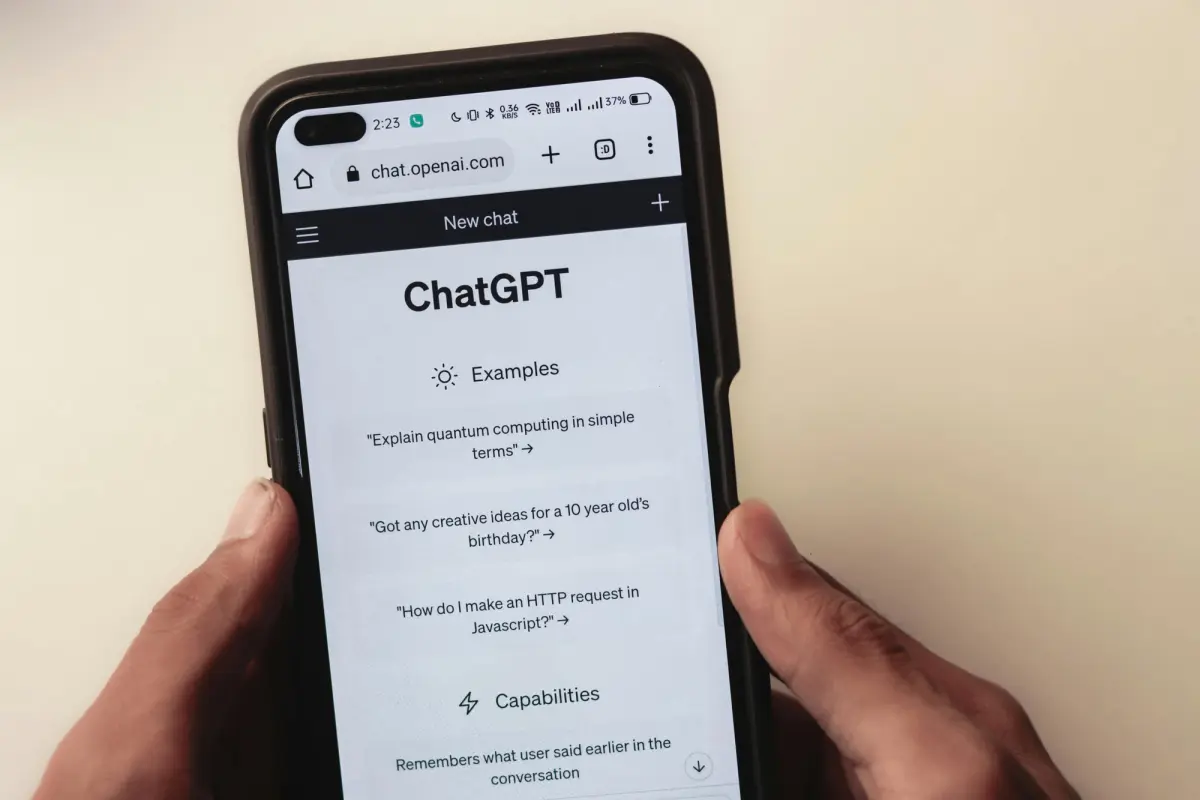
Discover 50 powerful Dashform AI prompts for creating forms and surveys. Learn how to generate better survey questions, improve engagement, and streamline data collection with AI-driven form design.

Explore eight contractor form templates for project inquiries, estimates, inspections, work orders, and follow-up, with practical setup and review advice.

8 law firm intake form templates: case evaluation, conflict check, retainer agreement, and more, as free AI-powered forms.
