

Explore your relationship style and compatibility

Consider attraction to women, friendship, and future relationships through "When you imagine your ideal romantic relationship, who do you see yourself with?". "You Might Be a Lesbian" is randomly selected and cannot identify your orientation. Questions distinguish attraction from admiration and invite you to consider dating, close friendships, dreams, and the future you imagine. None of these answers proves a sexual orientation or controls the Ending. You can take time with uncertainty, use the terms that help you, or leave your feelings unlabeled.

Reflect on attraction and social pressure with "How often do you experience sexual attraction toward others?". "Possibly on the Asexual Spectrum" introduces terms to explore; the Ending is random, not inferred from answers. Other questions separate romantic connection from sexual attraction and ask about emotional bonds and attitudes toward sex. These experiences can differ: behavior, libido, and attraction are not interchangeable. Read the result themes as vocabulary for reflection, without treating them as an orientation test or a requirement to adopt a label.

Explore attraction across genders with "Have you ever experienced romantic or sexual attraction to more than one gender?". "Bisexual Identity Likely" is a random label, not a probability or finding about bisexuality. Questions cover imagined partners, fictional characters, past dating, and whether romantic and sexual feelings align. Attraction need not be equal across genders, and dating experience is not required for bisexuality. The three Ending titles offer topics to consider, while your answers do not calculate a likelihood or assign an identity.

Reflect on affection, openness, and future hopes through "How do you imagine your future with this person?". Even "Definitely in Love" is a random Ending, not confirmation of love, compatibility, or the other person's feelings. Choices ask how often you think about the person, how openly you share feelings, and how you respond to distance or other romantic interests. Jealousy and intensity alone are not proof of love or a healthy relationship. Use the prompts to reflect on care, boundaries, and communication; the answers do not select a relationship verdict.

Reflect on how dating fits your life through cancelled plans, conflict, commitment and vulnerability. "What does your personal life look like right now, honestly?" asks about the room you have for a partner alongside current responsibilities. Five possible Endings include "Still Healing" and "Happily, Deliberately Unready", separating lingering feelings from a deliberate preference to stay single. The displayed Ending is a randomly selected sample, independent of your answers. It does not assess you.

Twelve questions cover early dates, messages, attachment pace, and conversations about the relationship. "What do you look for first in a potential partner?" invites reflection on what you value before interpreting a connection. The Ending "The Loyal Partner" is one of three randomly selected themes. Answers are not summed to define a personality, measure attachment, or predict compatibility.

Thirteen questions explore how you treat each other in class, with friends, and outside school. "Are you often in the same classes or activities?" reminds you that shared spaces provide context, not proof of attraction. The Ending "Interest Is Possible" is a randomly selected discussion theme. Answers do not measure how much he likes you; respect and what both of you say matter more than a profile.

Ten questions organize observations about conversations, messages, and meetings. "How often does he initiate conversations with you?" distinguishes who seeks contact without making it proof of attraction. The Ending "Possible Romantic Interest" is one of three randomly selected messages. Answers neither calculate his feelings nor make a particular Ending more likely; clarity depends on what he communicates.

Ten questions gather observations about messages, conversations, shared time, and friends' opinions. "How often does your crush initiate conversations with you?" starts the distinction between facts and interpretations. The Ending "Possible Signs of Interest" is randomly selected from four messages; it neither scores signals nor calculates feelings. Use the questions to prepare a respectful conversation without treating the profile as evidence.
Thirteen questions separate what your friend does, what he has said, and what you hope. "Has he directly described your connection as more than friendship?" provides a clearer reference than guessing hidden feelings. The Ending "Affection, Meaning Unclear" is randomly selected from three themes. There are no love points or inferences about his feelings from your answers.

Thirteen prompts explore closeness, conversation, compliments, and whether she has said she wants a date. “A Conversation Worth Having” is one illustrative Ending for discussing a possible connection between women. This page cannot infer her orientation from friendship or body language.
Ten prompts cover his contact habits, invitations, remembered details, introductions, and future plans. “Interest Worth Discussing” is an illustrative relationship Ending. The useful part is noticing what you have actually discussed, without reading response speed or compliments as proof of attraction.

Eight questions collect your guesses about a friend's free time, good news, food preferences, gifts, and need for support. "Your best friend is going through a genuinely hard time. What do they need from you?" asks about difficult times. "You Could Write Their Biography" and the other sample Endings appear randomly, independently of answers. Without your friend's own answer key, the quiz cannot measure accuracy or closeness.

Nine everyday scenarios ask about her free Saturdays, restaurant choices, difficult days, friendships, birthdays, stories, travel, and phone habits. “Talk About Everyday Routines” is a conversation topic. Since the quiz never asks her for matching answers, it cannot verify how well you know her.

Think about your mom’s favorite meal, childhood friend, music, travel hopes, and pride in her own life. Nine prompts include "What was your mom's dream job or ambition when she was young — before life took its own direction?" about an early ambition. Possible Endings such as "Familiar Everyday Details" and "Care and Personal History" offer conversation themes, but one is displayed randomly, independently of answers. The form records your impressions without checking them against her account, so it cannot measure closeness, knowledge, or love.
Nine questions invite you to reflect on familiarity with your partner’s accomplishments, worries, memories, dreams, and daily pressures. "Do you know a dream your partner has not yet pursued?" can open a conversation if welcome. Four sample portraits include "Deeply Intertwined"; the player draws one randomly without verifying your knowledge or consulting your partner. The suggestions offer conversation topics, not a relationship grade.

Twelve questions explore communication, disagreements, money, independence, support, and appreciation. "When you disagree, what usually happens?" invites you to consider conflict habits. Possible sample Endings include "Highly Compatible", "Balanced Partners", and "Growth Opportunity". The displayed Ending is chosen randomly and does not use your answers.
Ten questions explore communication, support, independence, and shared plans, starting with "What matters most to you in a relationship?". The "The Deep Emotional Connector" Ending is a randomly selected relationship theme, not a prediction of a partner. Compare the ideas with what you actually want in a relationship.
Ten questions invite you to reflect on thoughts, physical interest, conversation, and boundaries, including "How do you feel when you see this person?". The "Intense Attraction" Ending is selected randomly and does not measure attraction. Your own feelings and the other person’s consent matter more than the label.

Thirteen prompts explore shared goals, conflict, support, and beliefs, including "Do you believe in the concept of destiny and soul contracts?". The "Twin Flame" Ending is randomly selected from three relationship metaphors. It cannot prove destiny, compatibility, or a reason to remain in a painful relationship.

Thirteen questions explore preferences for height, hair, clothing, makeup, and accessories. "What height do you find most attractive?" includes an option for no height preference. Four fictional profiles include "Petite Blonde"; one is selected at random, independently of your answers. A paid unlock may be required to view it. Neither the profile nor appearance predicts compatibility or a person’s worth.

Explore thirteen prompts about men’s appearance, clothes, character preferences, and date ideas. "What is the first thing you notice in a guy?" opens with height, a smile, a relaxed manner, and elegance. "Tall and Athletic" is one of four fictional profiles chosen randomly after completion. Answers do not calculate your type, and viewing the result may require a paid unlock.

Compare the gestures that matter to you after a stressful day, on a special occasion and during everyday routines. "What makes you feel most loved in a relationship?" introduces words, practical help, shared time and thoughtful gifts. This version has three Endings, including "Acts of Service"; gifts appear in the choices but have no separate Ending, and physical touch is not assessed. Use the sample to describe your preferences rather than define your relationship. The displayed Ending is a randomly selected sample, independent of your answers. It does not assess you.

Explore responses to a hurtful argument, missed birthday, damaged keepsake, and canceled visit. The question "When someone apologizes to YOU, what actually makes you believe they mean it?" asks what makes an apology believable to you. Four examples include "The Verbal Accountant" and "The Quiet Repairer", contrasting precise acknowledgment, gestures, practical repair, and direct regret. An example is displayed at random, without interpreting your answers. These custom profiles are reflection prompts, not a validated model or a formula for forgiveness.

Nine relationship scenarios explore listening, compromise, criticism, small gestures, boundaries, and shared enjoyment. "Your partner brings up something you did that bothered them. What's your first move?" asks how you respond after hurting a partner. Sample profiles such as "The Safe Haven" appear randomly, independently of answers; they do not establish relationship quality or psychological traits.
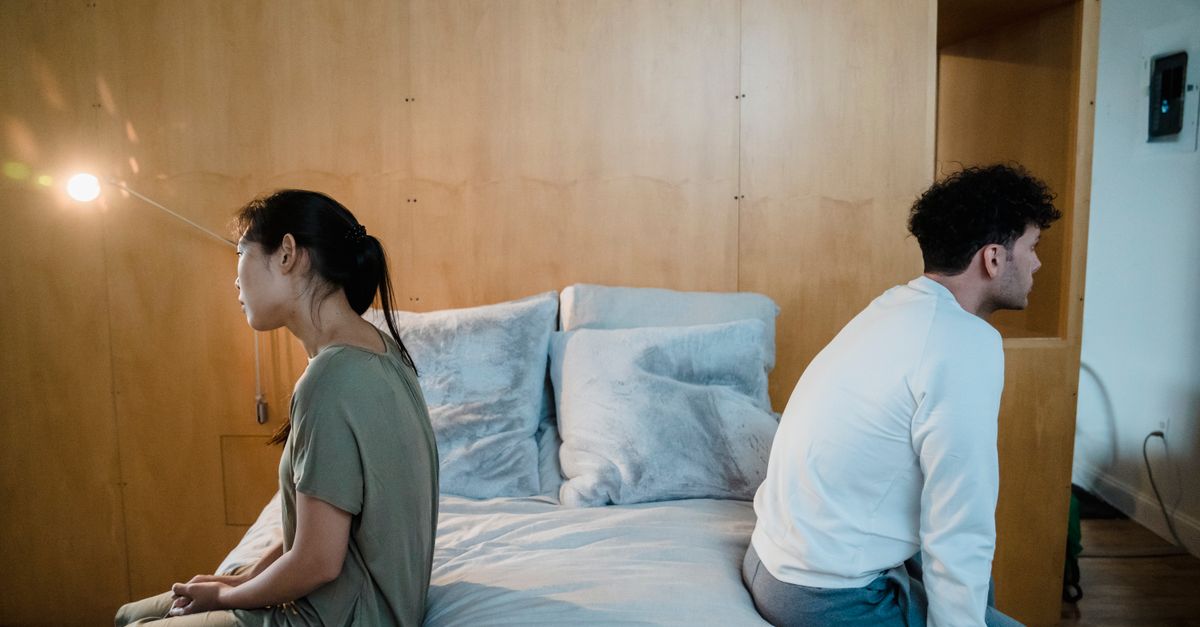
Reflect on canceled plans, difficult feedback, insecurity, and unresolved arguments through ten relationship scenarios. "How do you typically handle an argument that escalates past the point of calm?" distinguishes speaking up, withdrawing, deflecting, and silently agreeing. The displayed Ending is chosen randomly and is not determined by your answers. These labels invite examination of a habit, not a diagnosis of you or your partner, and the available choices cannot capture every relationship context. The example "The Stonewaller" concerns withdrawal during conflict; compare it with your own experience rather than accepting an assigned label.

Choose a first-date setting, a meaningful gift, a home aesthetic, and a weekend together across nine relationship questions. "It's the first date. Where do you most want to go?" opens the form. Possible Endings such as "Venus in Fire (Aries / Leo / Sagittarius)" borrow astrology’s element imagery, but the player displays a sample randomly, independently of your choices. No birth details are collected, so this quiz does not calculate your Venus sign or predict compatibility.

Fifteen questions invite reflection on communication, conflict, and boundaries after a breakup, including "How do you feel about reconnecting with your ex?". After completion, one of four reflection themes is selected randomly, such as "A Conversation to Consider" or "Focus on Moving Forward". The result does not predict whether an ex will return, read their feelings, or tell you to contact them.