

Amazon controls 38% of US ecommerce. Their recommendation engine drives 35% of total revenue -- that's $200+ billion per year generated by algorithms that say "customers who bought this also bought that." For DTC brands, competing with Amazon's recommendation engine feels impossible.
But here's Amazon's weakness: their recommendations are based on purchase history, not personal intent. Amazon knows what you bought last month. It doesn't know why you're shopping today, what problem you're trying to solve, or what your specific preferences are right now.
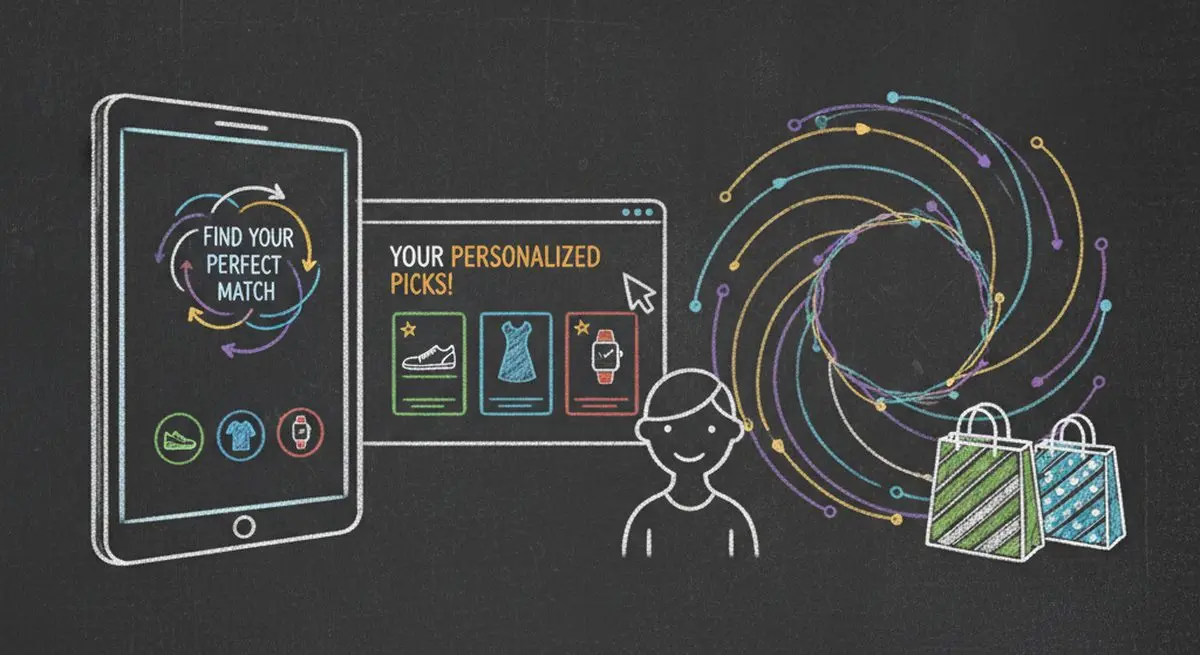
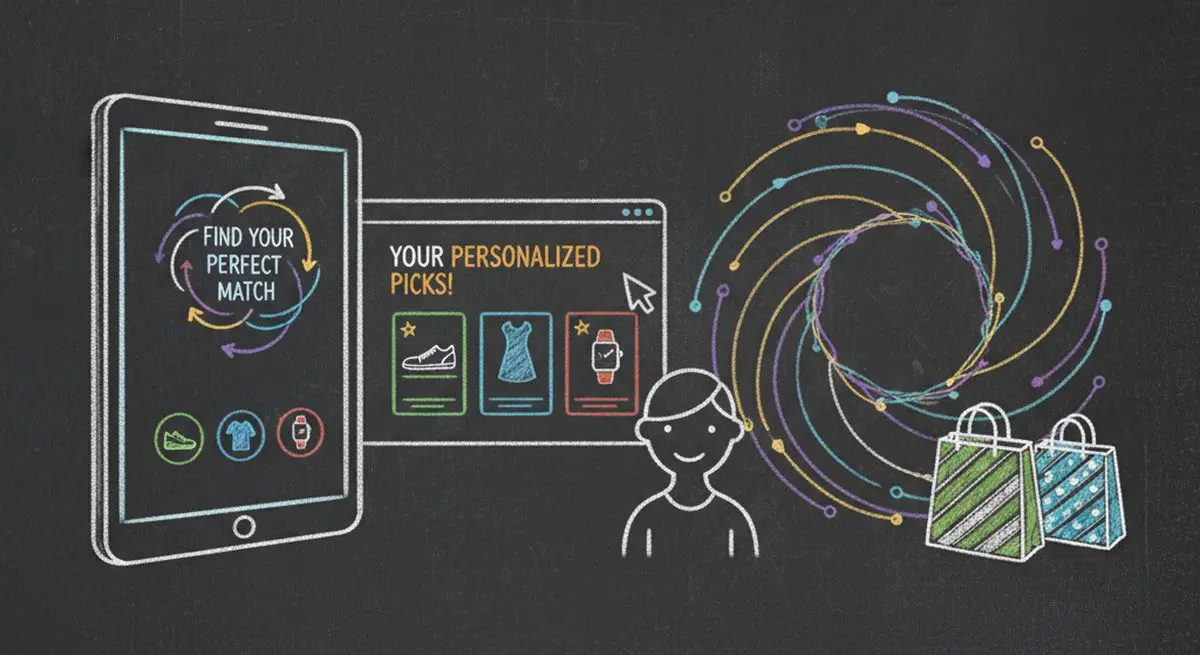
That's where AI product recommendation quizzes come in. DTC brands using AI-powered quizzes are seeing 3-5x higher conversion rates than standard product pages because the quiz captures real-time intent and delivers hyper-personalized recommendations that Amazon's historical data engine simply cannot match.
Why Quizzes Beat Amazon's Algorithm
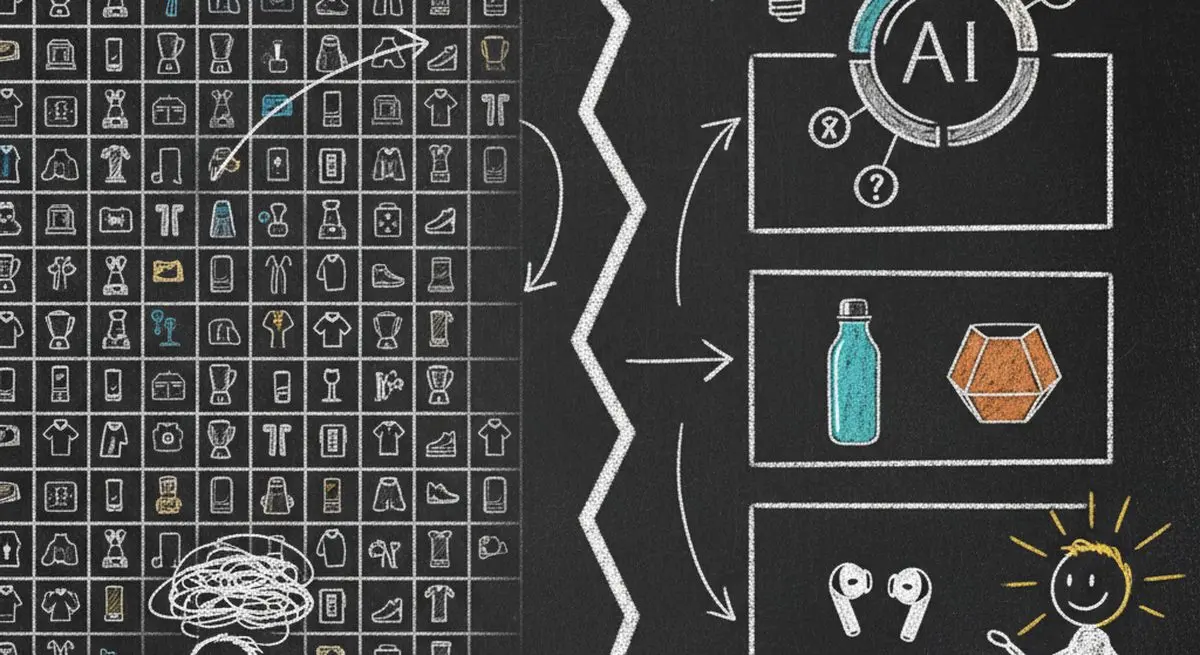
| Dimension | Amazon Algorithm | AI Recommendation Quiz |
|---|---|---|
| Data Source | Past purchases + browsing history | Real-time stated preferences + AI analysis |
| Personalization Depth | Category-level ("you bought shoes, here are shoes") | Need-level ("you have dry skin + sensitive + prefer natural") |
| First-Time Shopper | Generic best-sellers | Fully personalized from question 1 |
| Customer Engagement | Passive (scroll and browse) | Active (answer 3 questions, get matched) |
| Email Capture | Only at checkout | Built into the quiz flow (85%+ capture rate) |
| Conversion Rate | 2-3% product page | 8-15% quiz completion |
The key insight: Amazon optimizes for what you might want based on your past. Quizzes optimize for what you actually need right now. For DTC brands selling specialized products (skincare, supplements, fitness, pet food, home decor), this intent-based approach dramatically outperforms history-based recommendations.
How AI Makes Product Quizzes 10x Smarter
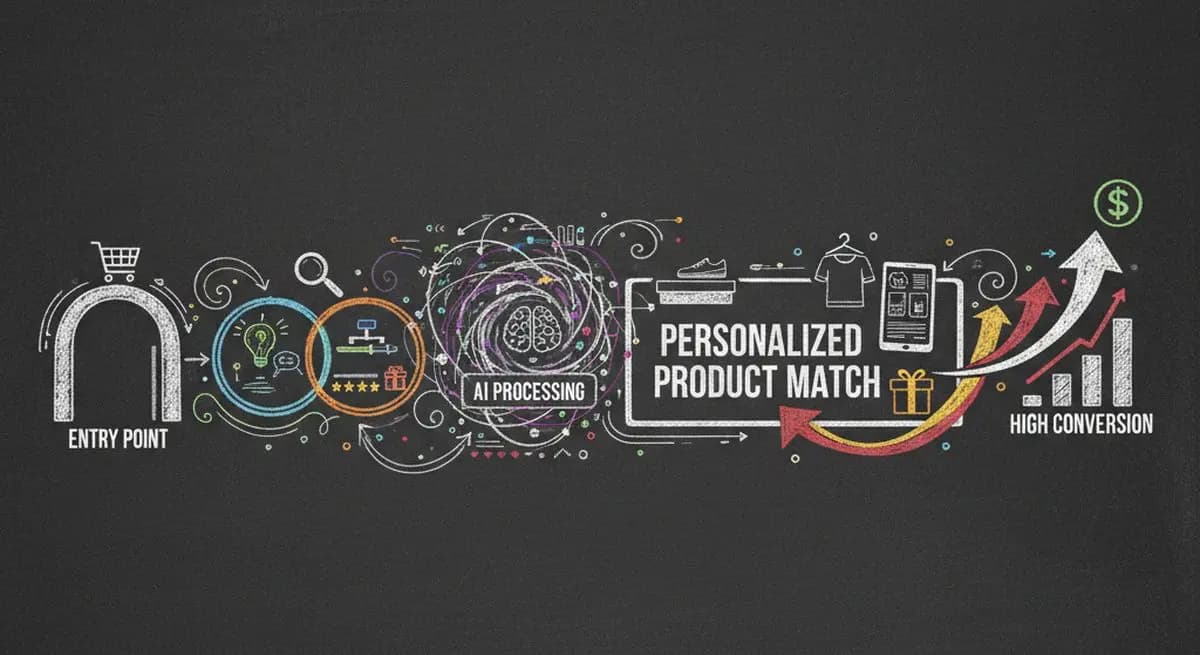
Traditional product quizzes use static decision trees: if answer A, show product X. AI-powered quizzes are fundamentally different:
Dynamic Question Routing
AI analyzes each answer in real-time and adjusts the next question. If a skincare quiz detects the user has sensitive skin in question 1, it skips irrelevant questions about exfoliants and goes straight to gentle product matches. Fewer questions, better results.
Natural Language Understanding
Users can type open-ended answers like "I want something for my mom who has rosacea and hates anything greasy." AI parses intent, extracts criteria (gift, rosacea, non-greasy), and matches products intelligently -- no rigid multiple-choice limitations.
Confidence Scoring
Each recommendation comes with a confidence score. "95% match for your needs" is far more persuasive than a generic product listing. Users trust recommendations that explain why they're being suggested.
Continuous Learning
AI quizzes improve over time. As more users complete the quiz, the recommendation engine learns which products convert best for which answer combinations. Your quiz gets smarter every day without manual tuning.
Real Results: DTC Brands Using AI Quizzes
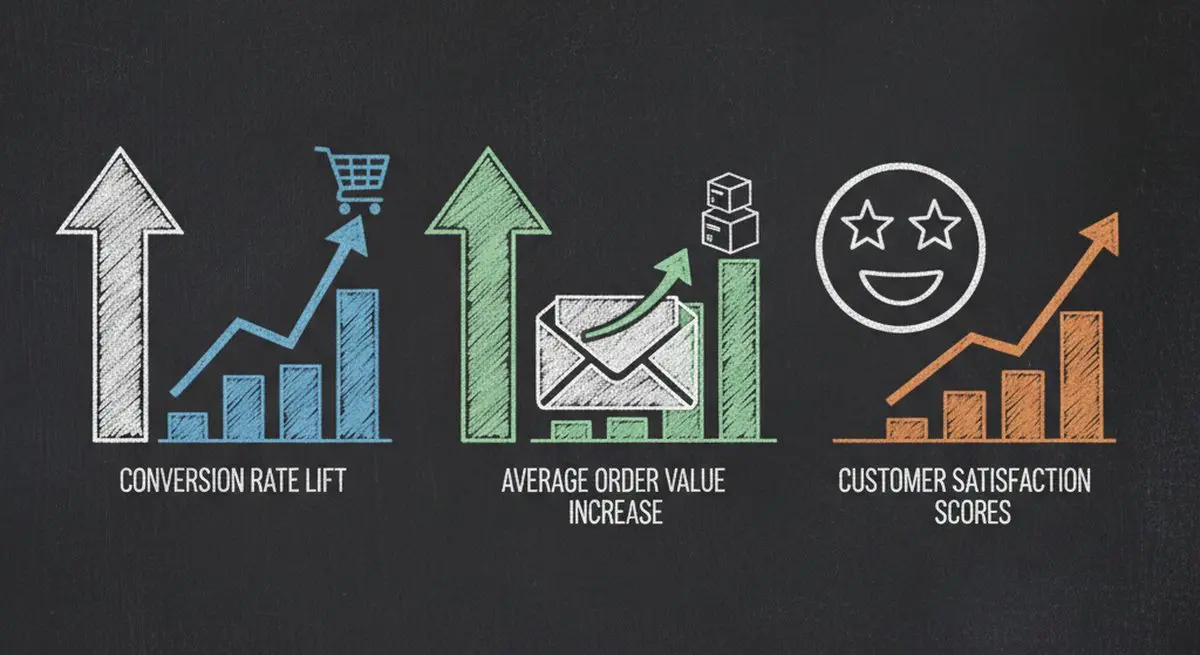
| Brand Category | Quiz Type | Conversion Lift | AOV Increase | Email Capture Rate |
|---|---|---|---|---|
| Skincare | Skin type + concern quiz | +312% | +28% | 89% |
| Supplements | Health goal quiz | +245% | +35% | 92% |
| Pet Food | Pet profile quiz | +189% | +22% | 86% |
| Home Decor | Style preference quiz | +156% | +41% | 78% |
| Fitness Equipment | Goal + level quiz | +203% | +33% | 84% |
| Coffee/Tea | Taste profile quiz | +178% | +19% | 91% |
The pattern is consistent across verticals: AI quizzes convert 2-4x better than standard product pages while simultaneously increasing average order value (because recommendations include complementary products) and capturing emails at 80-90%+ rates.
How to Build an AI Product Recommendation Quiz
Step 1: Map Your Product-to-Need Matrix
Before building the quiz, map each product to the customer needs it solves. A skincare brand might map: Vitamin C serum -> brightening + anti-aging, Hyaluronic acid -> hydration + dry skin, Niacinamide -> pores + oily skin. This matrix becomes the AI's matching logic.
Step 2: Design 3-5 High-Signal Questions
The best quizzes ask 3-5 questions maximum. Each question should differentiate between product recommendations. If a question doesn't change which product you'd recommend, cut it.
| Question Type | Example | Signal Captured |
|---|---|---|
| Primary Need | What's your #1 skin concern? | Core product match |
| Constraint | Do you have sensitive skin? | Eliminates products |
| Preference | Do you prefer light or rich textures? | Format selection |
| Budget | What's your monthly budget for skincare? | Price tier |
| Experience | How experienced are you with skincare? | Complexity level |
Step 3: Set Up Your Quiz with Dashform
Dashform's AI Product Recommendation Engine handles the AI matching logic automatically. You upload your product catalog, define the questions, and the AI figures out the optimal product-to-answer mapping. No coding, no decision trees to maintain.
Step 4: Enable Agent Discovery
With Agent Funnel enabled, AI shopping agents can also use your quiz on behalf of customers. When a shopper tells Claude "find me a moisturizer for dry, sensitive skin under $40," the AI agent can run your quiz programmatically, get a personalized recommendation, and present it to the shopper. This opens an entirely new agent-sourced sales channel.
The Zero-Party Data Advantage
In a post-cookie world, the data from AI quizzes is pure gold. Unlike third-party data (being phased out) or first-party data (limited to on-site behavior), quiz responses are zero-party data -- information customers intentionally and proactively share with you.
| Data Type | Source | Reliability | Privacy Risk | Personalization Power |
|---|---|---|---|---|
| Third-Party (cookies) | Ad networks, data brokers | Low (inferred) | High (being eliminated) | Basic demographics |
| First-Party | Your website analytics | Medium (behavioral) | Medium | Browse/purchase history |
| Zero-Party (quizzes) | Customer self-reported | Very High (stated intent) | Very Low (consensual) | Deep preferences + needs |
Every quiz completion builds your zero-party data asset. This data powers:
- Personalized email campaigns: Segment by quiz answers, not just purchase history
- Retargeting with context: "You said you have dry skin -- here's our new hydrating serum"
- Product development insights: See which needs your catalog doesn't address yet
- LTV prediction: Quiz answers predict lifetime value better than first-purchase data
The Next Frontier: AI Agents as Shoppers
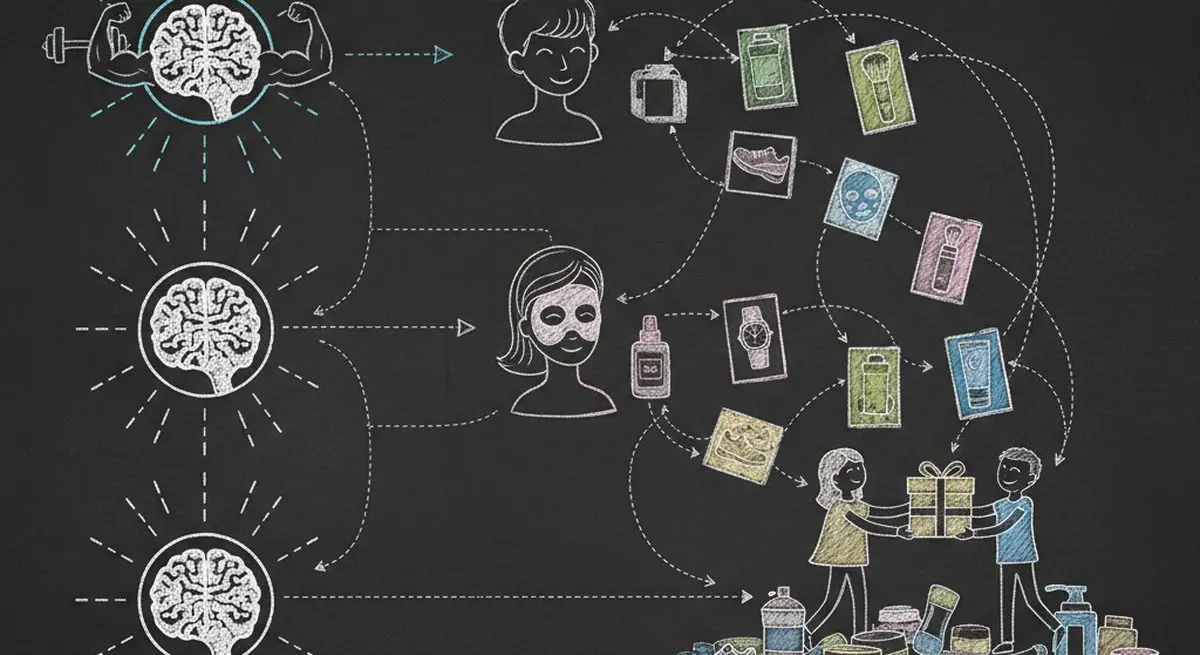
Here's where it gets exciting. 47% of consumers now use AI assistants to research products. When an AI agent shops on behalf of a customer, it needs machine-readable product data and a way to match products to the customer's needs. Your AI recommendation quiz becomes the interface between AI shopping agents and your product catalog.
With Dashform Agent Funnel enabled, your quiz is accessible to AI agents via MCP. This means:
- AI agents can browse your catalog intelligently -- not just listing products, but matching them to specific customer needs
- Recommendations include your quiz logic -- the agent tells the shopper "based on your dry skin and preference for natural ingredients, this serum is a 95% match"
- Every agent interaction is a potential sale -- and these leads come pre-qualified with preference data already collected
Frequently Asked Questions
How long should my product recommendation quiz be?
3-5 questions is the sweet spot. Completion rates drop 15-20% per additional question beyond 5. Each question should directly impact which product gets recommended. If a question doesn't change the recommendation, remove it.
Can AI quizzes work for stores with small catalogs?
Absolutely. Even with 5-10 products, a quiz adds value by helping customers choose confidently. The AI explains why each product matches their needs, which increases conversion and reduces returns. Small catalogs often see the highest conversion lifts because the quiz eliminates decision paralysis.
What about returning customers who already took the quiz?
Smart quizzes remember previous answers and offer a "quick refresh" option: "Your profile says dry + sensitive skin. Still accurate?" Returning customers can update one answer and get new recommendations without re-taking the full quiz. This drives repeat purchases with minimal friction.
How do AI quizzes integrate with Shopify?
Dashform quizzes embed on any Shopify store via a simple code snippet. Recommendations link directly to your Shopify product pages, and quiz data syncs with Klaviyo, Mailchimp, or any email platform via Zapier. No theme modifications required.
Start Converting Browsers Into Buyers
Amazon's recommendation engine took 20 years and billions of dollars to build. You can deploy an AI-powered product recommendation quiz on your store in under an hour -- and capture the intent data that Amazon's algorithm simply cannot access.
Ready to personalize your store? Try the Dashform AI Product Recommendation Engine free. Build your first quiz, embed it on your store, and watch your conversion rates climb. Your best-selling product is already in your catalog -- the quiz just makes sure the right customer finds it.