


Self-care isn't one-size-fits-all — your ideal recharge looks nothing like your best friend's, and that's exactly the point. This quiz cuts through the noise by asking how you actually behave when you're drained, not what a wellness influencer says you should do. In six minutes you'll uncover your personal restoration blueprint: the environments, habits, and practices most likely to leave you genuinely refueled rather than just temporarily distracted. Whether you need bodies in the room or complete silence, hard movement or slow ritual, your results will name it clearly and tell you how to act on it.
One of the listed results is selected at random. Your answers are not scored or used to choose the result.
Create engaging quizzes tailored to your brand. Our AI-powered quiz generator helps you build personalized assessments that capture attention and drive engagement.
Discover what your quiz results might reveal

You refuel through genuine human contact — a real conversation, a shared meal, or even a well-timed voice note can do more for your mental state than any solo ritual. Your self-care is relational by design: it works best when you prioritize people who energize rather than drain you, say yes to spontaneous connection, and stop treating sociability as a character flaw that needs correcting. Practical next step: schedule a standing weekly call or hangout with one person who consistently leaves you feeling lighter, and protect it the same way you'd protect a therapy appointment.
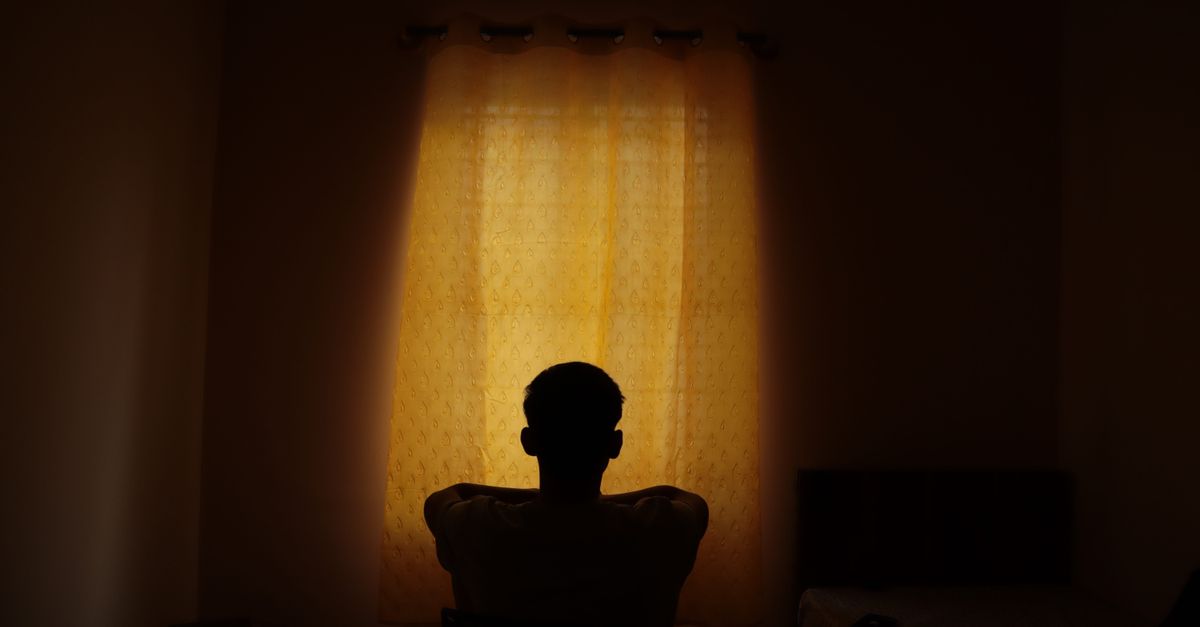
You restore in the quiet, and in a culture that treats busyness as virtue, actively protecting your alone time is the most radical thing you can do for yourself. Your most powerful practices involve deliberate emptiness: screen-free evenings, slow mornings with no agenda, journaling, or simply sitting with your own thoughts without performing productivity. The work for you isn't adding new habits — it's giving yourself permission to subtract commitments, hold your boundaries without apologizing, and claim the solitude your nervous system has been asking for.

Your mood and your body are on the same circuit — when one is dysregulated, so is the other, and movement is the fastest switch you have. A run, a long walk with headphones in, a hard gym session, or even a furious hour of physical housework can shift your internal state faster than almost anything else in your toolkit. Build physical outlets into your week as non-negotiables rather than rewards, get outside whenever possible, and trust that sweating through something is a completely legitimate form of emotional processing.
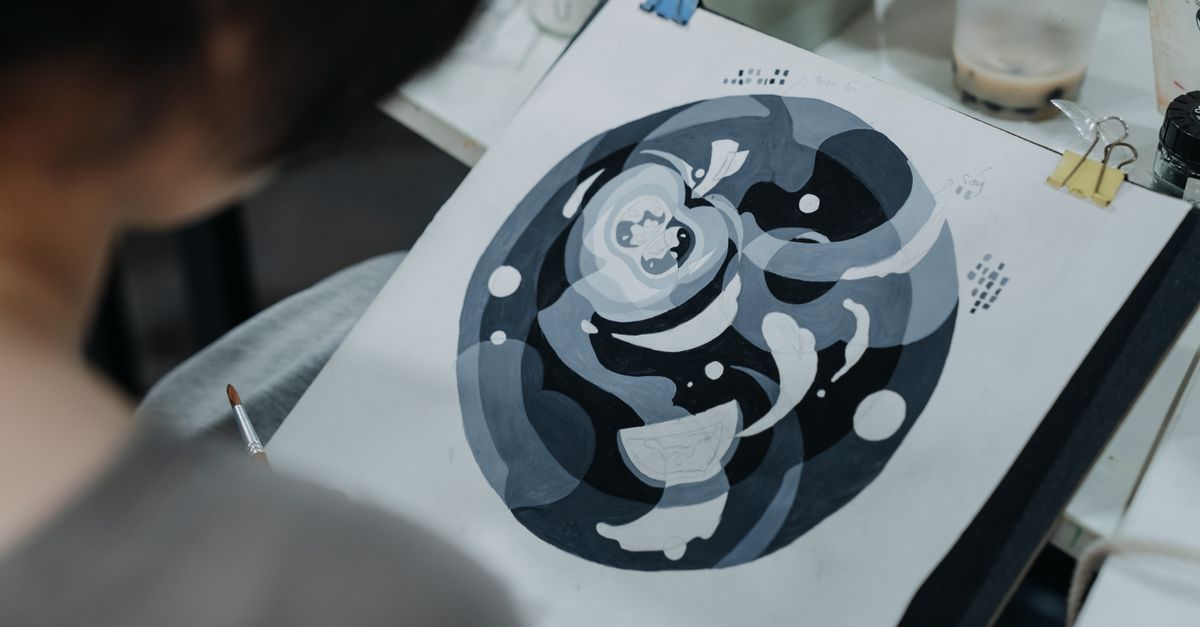
You process, heal, and recharge by making things — and when that outlet is blocked, the flatness you feel is hard to explain to people who don't share it. Whether it's writing, cooking, music, painting, or building something with your hands, your nervous system settles when you enter a state of flow with no performance pressure attached. Your self-care priority is protecting uninterrupted creative time with no goal other than the doing itself: for you, expression isn't a luxury you earn after the real work is done — it is the real work.
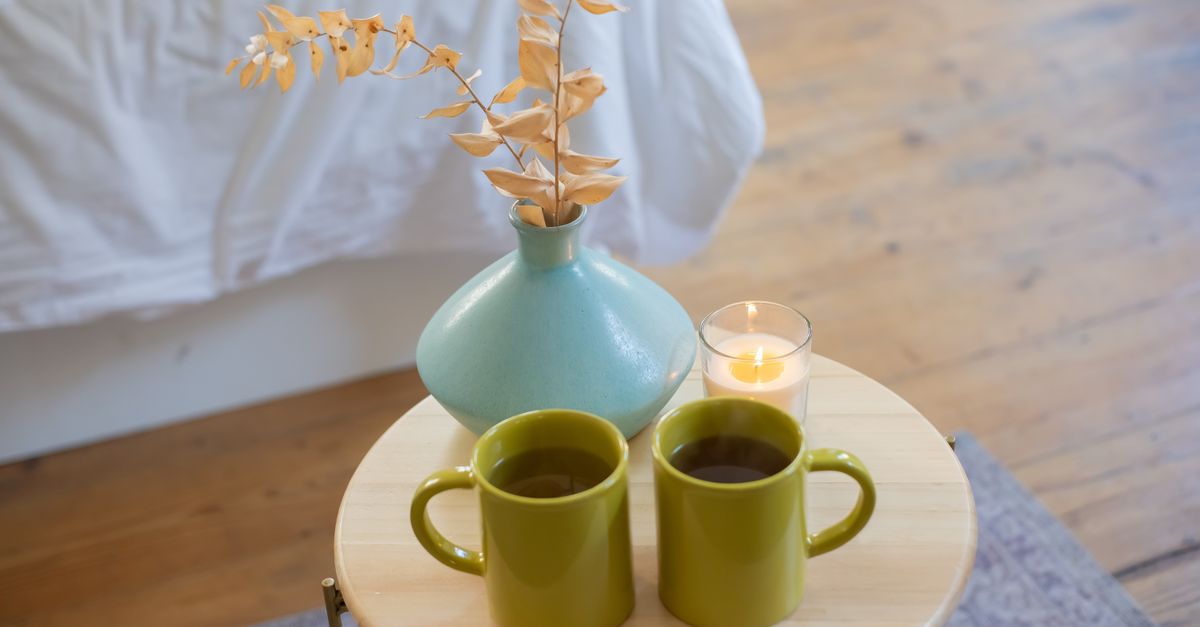
You find genuine comfort in intentional, repeatable sequences — the specific way you make your morning coffee, an evening wind-down in a fixed order, a weekly walk on the same route at the same time. Structure isn't monotony for you; it's the container that holds everything else stable when life gets noisy. Your self-care thrives on sensory consistency and careful transitions: invest in the small ceremonies that signal safety to your nervous system, resist the pressure to constantly reinvent your routine, and let your habits become your anchor rather than your limitation.
Explore more quizzes in this category

Reflect on waiting for a text, choosing a restaurant, replaying feedback, and reviewing an email. Ten scenarios include "You're lying in bed trying to fall asleep. What is your mind actually doing?" about thoughts at bedtime. The possible Endings, such as "Moving On After a Decision" and "When Thinking Feels Hard to Leave", are displayed randomly and independently of your answers. They are examples of situations, not measured symptom bands, an anxiety diagnosis, or a personalized treatment recommendation.

Use nine questions to put words to sleep, concentration, patience, enjoyment and everyday routines. "Over the past month, how have your sleep, eating, and movement habits held up?" asks about recent sleep, eating and movement habits. Possible reflection samples include "Discussing Demands and Support". The sample is selected randomly and does not use your answers, diagnose burnout or indicate severity. Persistent exhaustion or loss of interest deserves attention regardless of the displayed title.

Reflect on eight experiences involving waking mood, new demands, physical tension, rest, sleep, relationships, concentration, and enjoyment. "Describe your sleep pattern over the past few weeks." asks about recent rest rather than a permanent trait. The displayed Ending is chosen randomly and is not determined by your answers. These informal labels do not establish a stress level, explain symptoms, or determine whether you need care; use them to notice experiences you may want to discuss. Even "Low Signs of Stress" is only a sample heading, not reassurance that symptoms can be ignored.

Use chakra symbolism to reflect on security, emotional expression, communication, and perspective. Ten prompts include "How do you feel about your physical safety and basic needs (housing, food, financial security)?" and questions about creativity and connection. One of four themes, such as "Root Chakra Reflection" or "Throat Chakra Reflection", appears randomly without using answers. This spiritual exercise cannot detect a blockage, assess all seven chakras, diagnose symptoms, or prescribe healing.

Nine everyday scenarios examine responses to criticism, a promotion, praise, mistakes, disagreement, and unfamiliar social situations. "Someone you respect pays you an unexpected compliment. What happens next?" contrasts accepting, doubting, deflecting, and discounting praise. The displayed Ending is chosen randomly and is not determined by your answers. The labels describe fictional examples, not measured ability, a diagnosis, or proof that hesitation is always a confidence problem. "Building Confidence" is one example for reflecting on small steps and practice, not evidence of a measured change in confidence.

Reflect on disappointment, prolonged pressure, trust, self-talk, disrupted plans, and difficult conversations. The question "You're weeks into a high-pressure stretch with no clear end in sight. What does your self-care actually look like?" asks how self-care looks during an extended demanding period. Possible examples include "Steady Support Practices" and "Making Space for Recovery". The displayed example is random, independent of your answers, and does not measure resilience or diagnose distress. Use your own responses to identify situations and support needs you want to consider.
Tips, guides, and insights on quizzes and lead generation

Learn how automated form workflows reduce manual work and improve data accuracy. Discover how Dashform uses AI to generate forms, map fields, and automate workflows across your business tools.
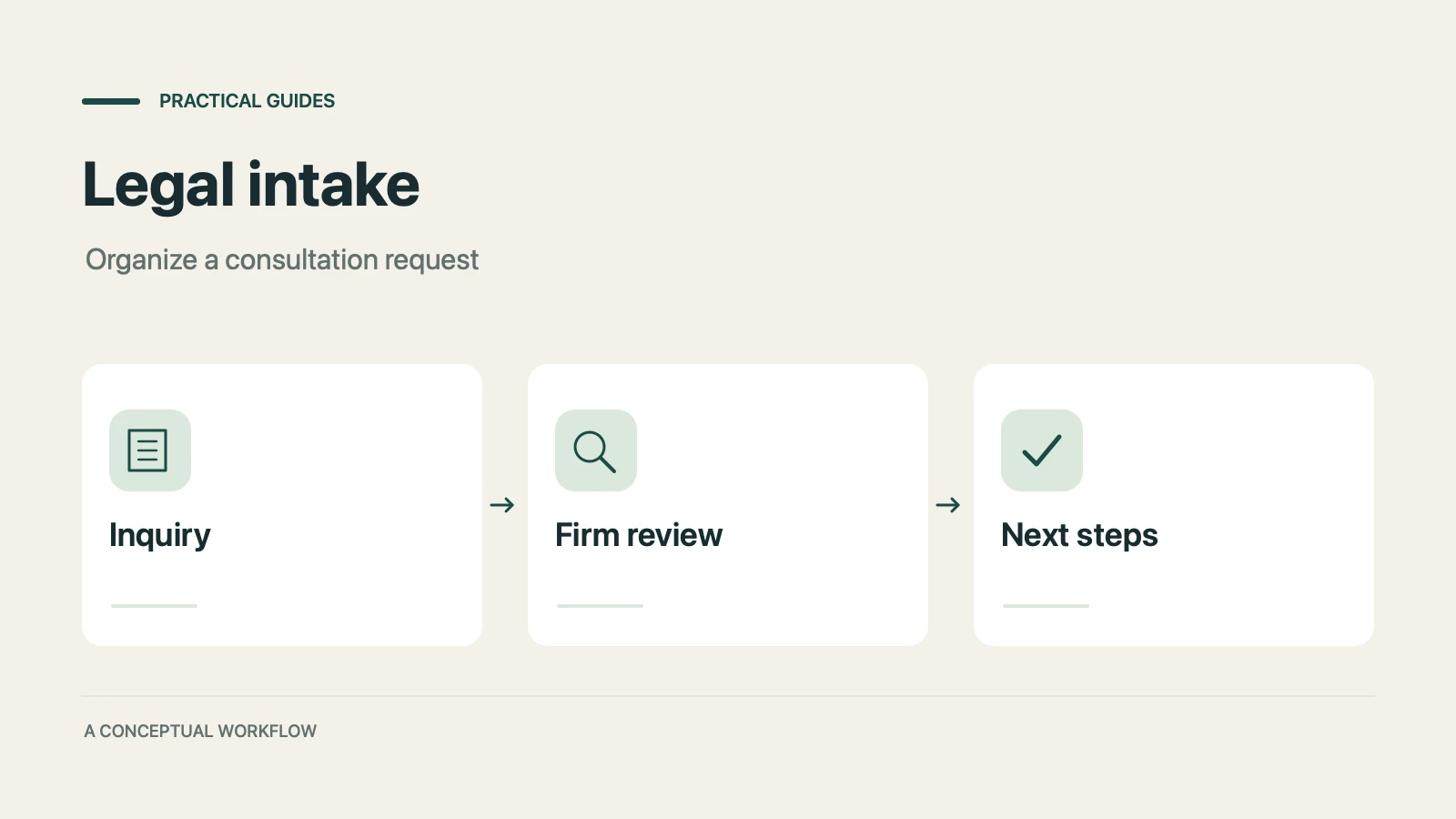
A proposed personal injury intake workflow for collecting inquiries, preparing attorney reviews, and gathering feedback, with clear boundaries for legal decisions, sensitive records, signatures, and external tools.
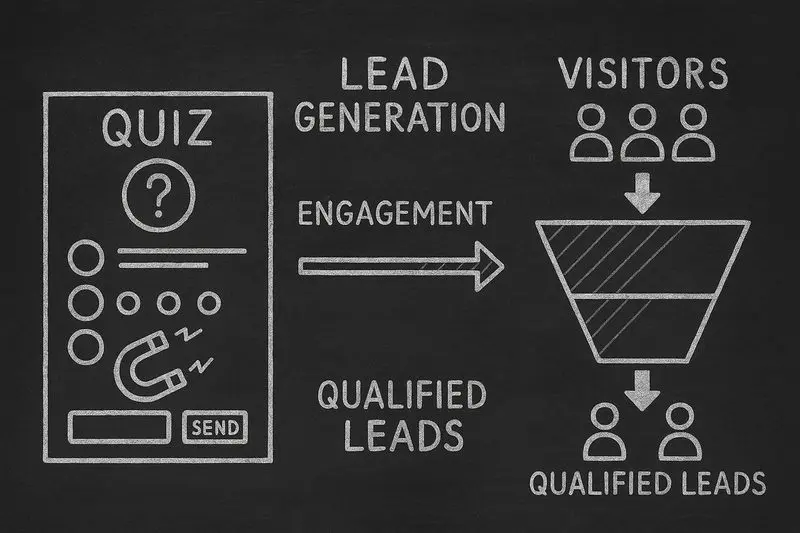
How lead generation quizzes work, the 5 quiz types that fit different goals, a design framework, and an email-capture playbook, with conversion data from Interact's quiz report.
