


Reflect on waiting for a text, choosing a restaurant, replaying feedback, and reviewing an email. Ten scenarios include "You're lying in bed trying to fall asleep. What is your mind actually doing?" about thoughts at bedtime. The possible Endings, such as "Moving On After a Decision" and "When Thinking Feels Hard to Leave", are displayed randomly and independently of your answers. They are examples of situations, not measured symptom bands, an anxiety diagnosis, or a personalized treatment recommendation.
One of the listed results is selected at random. Your answers are not scored or used to choose the result.
Create engaging quizzes tailored to your brand. Our AI-powered quiz generator helps you build personalized assessments that capture attention and drive engagement.
Discover what your quiz results might reveal

This randomly displayed example describes reviewing a choice briefly and then returning to daily activity. It is not reassurance that you have no anxiety or a measurement of your thinking. If the theme is useful, notice what information was enough for a recent ordinary decision. Moving on can coexist with revisiting a choice when genuinely new evidence appears. Speed alone is not a sign of better judgment, and this example cannot tell you whether a concern needs attention.

This random sample considers extra mental review around a difficult conversation or important choice. It does not identify a mild condition from your answers. If familiar, note the situation, what you know, and what remains uncertain. Ask whether there is a practical next step or simply a wish for certainty that cannot be fully met. This is an optional reflection, not a rule to suppress thoughts or a promise that noticing them will make them stop.

This randomly selected example explores reopening a decision or replaying wording without gaining much new information. It does not establish a moderate symptom level. If relevant, write down the question and a concrete action within your control, then consider whether another review is useful now. Context matters: careful checking may be necessary for consequential tasks. If repetitive thinking causes persistent distress or interferes with life, a qualified professional can help you understand it.

This random sample describes a situation in which repeated thoughts feel difficult to step away from. It is not a finding that you have severe symptoms, sleep loss, or a mental health disorder. If this reflects your lived experience, consider speaking with a qualified healthcare professional, particularly if sleep or daily functioning is affected. You do not need a quiz label to seek support. The text does not select a therapy, identify a cause, or promise a recovery timeline.
Explore more quizzes in this category

Use nine questions to put words to sleep, concentration, patience, enjoyment and everyday routines. "Over the past month, how have your sleep, eating, and movement habits held up?" asks about recent sleep, eating and movement habits. Possible reflection samples include "Discussing Demands and Support". The sample is selected randomly and does not use your answers, diagnose burnout or indicate severity. Persistent exhaustion or loss of interest deserves attention regardless of the displayed title.

Reflect on eight experiences involving waking mood, new demands, physical tension, rest, sleep, relationships, concentration, and enjoyment. "Describe your sleep pattern over the past few weeks." asks about recent rest rather than a permanent trait. The displayed Ending is chosen randomly and is not determined by your answers. These informal labels do not establish a stress level, explain symptoms, or determine whether you need care; use them to notice experiences you may want to discuss. Even "Low Signs of Stress" is only a sample heading, not reassurance that symptoms can be ignored.

Use chakra symbolism to reflect on security, emotional expression, communication, and perspective. Ten prompts include "How do you feel about your physical safety and basic needs (housing, food, financial security)?" and questions about creativity and connection. One of four themes, such as "Root Chakra Reflection" or "Throat Chakra Reflection", appears randomly without using answers. This spiritual exercise cannot detect a blockage, assess all seven chakras, diagnose symptoms, or prescribe healing.

Nine everyday scenarios examine responses to criticism, a promotion, praise, mistakes, disagreement, and unfamiliar social situations. "Someone you respect pays you an unexpected compliment. What happens next?" contrasts accepting, doubting, deflecting, and discounting praise. The displayed Ending is chosen randomly and is not determined by your answers. The labels describe fictional examples, not measured ability, a diagnosis, or proof that hesitation is always a confidence problem. "Building Confidence" is one example for reflecting on small steps and practice, not evidence of a measured change in confidence.

Reflect on disappointment, prolonged pressure, trust, self-talk, disrupted plans, and difficult conversations. The question "You're weeks into a high-pressure stretch with no clear end in sight. What does your self-care actually look like?" asks how self-care looks during an extended demanding period. Possible examples include "Steady Support Practices" and "Making Space for Recovery". The displayed example is random, independent of your answers, and does not measure resilience or diagnose distress. Use your own responses to identify situations and support needs you want to consider.

Twelve bathroom dilemmas cover queues, travel, events, and being locked out. After completion, a theme such as "Ask for Assistance" is selected randomly; answers are not scored or used to choose it. The options focus on facilities, help, and changing plans, without testing bladder or bowel control.
Tips, guides, and insights on quizzes and lead generation
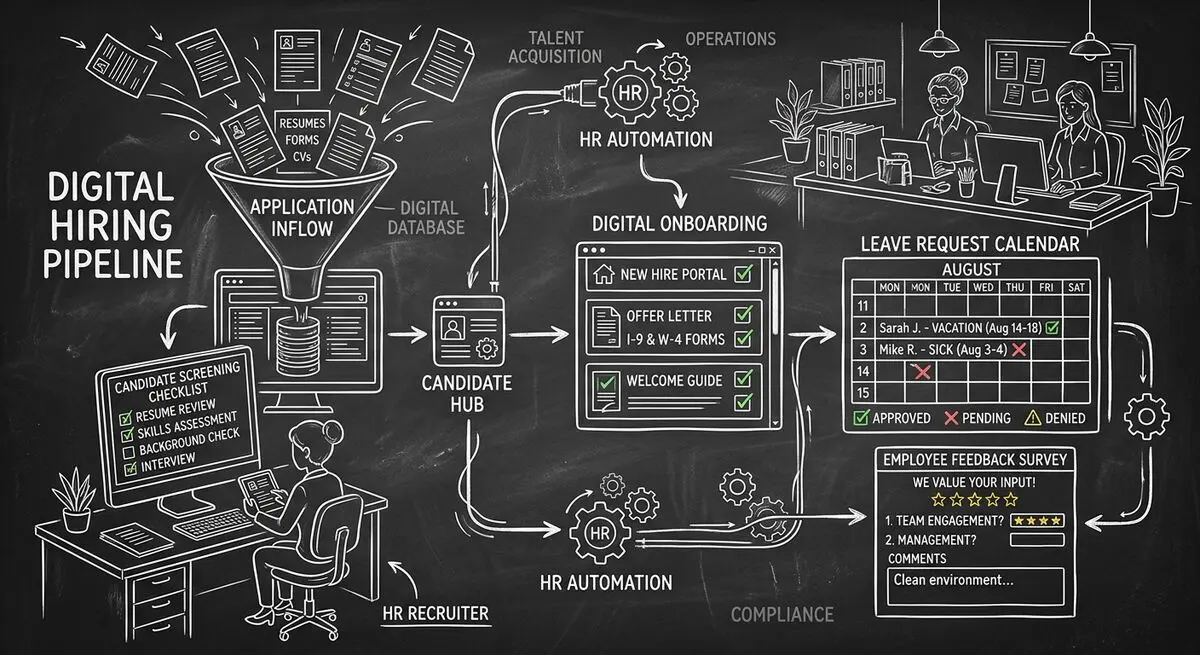
Six Dashform generator starting points for drafting applications, onboarding forms, leave requests, surveys, and feedback, with human review and integration setup.
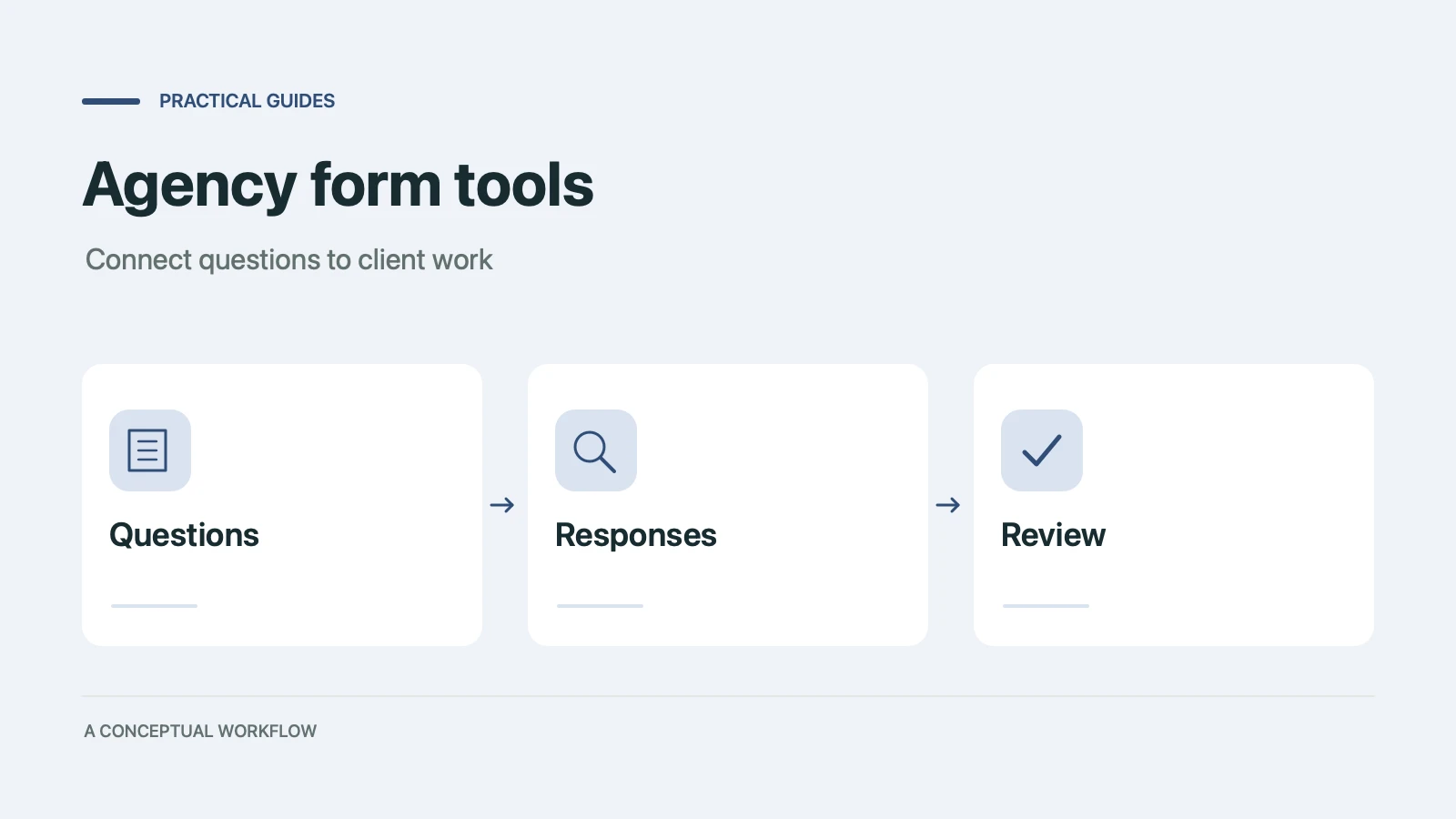
Use six Dashform generator entry points to draft client quizzes, surveys, intake forms, and feedback forms, then review and test the workflow.
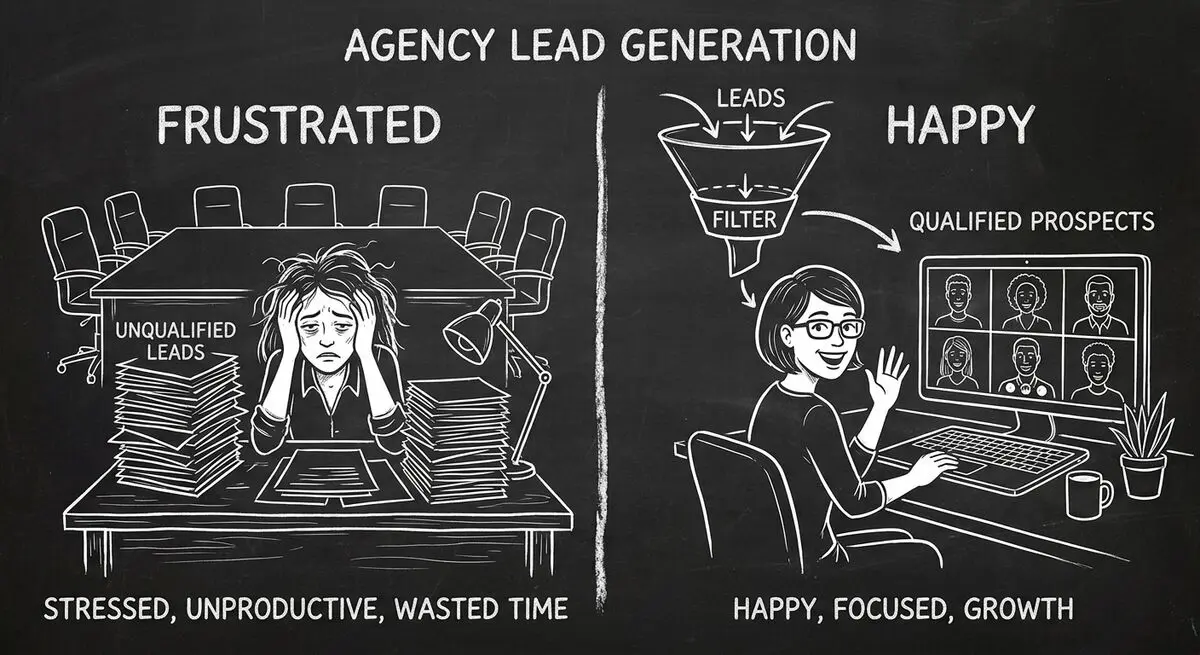
An illustrative playbook for a B2B content marketing agency replacing its static contact form with an AI-powered quiz funnel: the questions, the scoring, the routing, and what to measure in the first 60 days.
