


Procrastination isn't one problem — it's five completely different ones wearing the same mask. Whether you're a perfectionist who over-prepares, a deadline junkie who runs on adrenaline, or someone who just can't find the on-ramp to a big task, the root cause shapes everything about how you should fix it. This quiz uses scenario-based questions to pinpoint exactly which pattern is hijacking your productivity — and hands you a specific, honest explanation of why generic advice keeps bouncing off you. Ten minutes of self-honesty now could save you months of the same stuck cycle.
One of the listed results is selected at random. Your answers are not scored or used to choose the result.
Create engaging quizzes tailored to your brand. Our AI-powered quiz generator helps you build personalized assessments that capture attention and drive engagement.
Discover what your quiz results might reveal

You don't procrastinate so much as time-shift — urgency is your actual ignition switch, and you've learned to trust it. The real danger isn't that you miss deadlines; it's that one unexpected obstacle with no buffer time left will finally catch you out. Try engineering fake deadlines a day or two early: tell a friend you're sending a draft by Thursday, not Friday. Same adrenaline hit, actual safety net.

Your procrastination is a quality-control trap: the version of this task in your head is so polished that starting the rough, uncertain reality feels like immediate failure. You're not avoiding the work — you're avoiding the gap between your standard and where a first draft actually lives. The fix is a hard rule: the first pass is not allowed to be good. Open a doc titled 'Bad First Draft' and write the worst version you can. Your inner critic can't argue with something that was never meant to be shown to anyone.

From the outside your procrastination looks like diligence — you're always reading, preparing, comparing options. But consumption has become a substitute for production, and somewhere you know it. The knowledge gathering genuinely feels productive, which is exactly what makes this type so sticky. Cap your research with a hard timer, then write one paragraph summarizing what you already know. That paragraph is your starting gun.

Your brain reads large, ambiguous tasks as threats rather than to-dos — the nervous system response is real, not a character flaw. When the whole project is visible at once, it triggers a kind of cognitive paralysis that no amount of motivational self-talk will override. What actually works is making the first action absurdly, almost embarrassingly small: 'open the document and type the title' is a legitimate starting task. Momentum follows motion, even tiny motion.

Your relationship with future time is elastic — deadlines live in a hazy 'later' that feels safely distant right up until it's not. This isn't about how much you care; it's a genuine mismatch between how time feels and how it actually passes. Making the future concrete and visible is your lever: a physical countdown on your wall, a calendar block named after the specific task, a check-in partner who expects an update. Abstract intentions don't stick — external, visible structures do.
Explore more quizzes in this category

Reflect on waiting for a text, choosing a restaurant, replaying feedback, and reviewing an email. Ten scenarios include "You're lying in bed trying to fall asleep. What is your mind actually doing?" about thoughts at bedtime. The possible Endings, such as "Moving On After a Decision" and "When Thinking Feels Hard to Leave", are displayed randomly and independently of your answers. They are examples of situations, not measured symptom bands, an anxiety diagnosis, or a personalized treatment recommendation.

Use nine questions to put words to sleep, concentration, patience, enjoyment and everyday routines. "Over the past month, how have your sleep, eating, and movement habits held up?" asks about recent sleep, eating and movement habits. Possible reflection samples include "Discussing Demands and Support". The sample is selected randomly and does not use your answers, diagnose burnout or indicate severity. Persistent exhaustion or loss of interest deserves attention regardless of the displayed title.

Reflect on eight experiences involving waking mood, new demands, physical tension, rest, sleep, relationships, concentration, and enjoyment. "Describe your sleep pattern over the past few weeks." asks about recent rest rather than a permanent trait. The displayed Ending is chosen randomly and is not determined by your answers. These informal labels do not establish a stress level, explain symptoms, or determine whether you need care; use them to notice experiences you may want to discuss. Even "Low Signs of Stress" is only a sample heading, not reassurance that symptoms can be ignored.

Use chakra symbolism to reflect on security, emotional expression, communication, and perspective. Ten prompts include "How do you feel about your physical safety and basic needs (housing, food, financial security)?" and questions about creativity and connection. One of four themes, such as "Root Chakra Reflection" or "Throat Chakra Reflection", appears randomly without using answers. This spiritual exercise cannot detect a blockage, assess all seven chakras, diagnose symptoms, or prescribe healing.

Nine everyday scenarios examine responses to criticism, a promotion, praise, mistakes, disagreement, and unfamiliar social situations. "Someone you respect pays you an unexpected compliment. What happens next?" contrasts accepting, doubting, deflecting, and discounting praise. The displayed Ending is chosen randomly and is not determined by your answers. The labels describe fictional examples, not measured ability, a diagnosis, or proof that hesitation is always a confidence problem. "Building Confidence" is one example for reflecting on small steps and practice, not evidence of a measured change in confidence.

Reflect on disappointment, prolonged pressure, trust, self-talk, disrupted plans, and difficult conversations. The question "You're weeks into a high-pressure stretch with no clear end in sight. What does your self-care actually look like?" asks how self-care looks during an extended demanding period. Possible examples include "Steady Support Practices" and "Making Space for Recovery". The displayed example is random, independent of your answers, and does not measure resilience or diagnose distress. Use your own responses to identify situations and support needs you want to consider.
Tips, guides, and insights on quizzes and lead generation
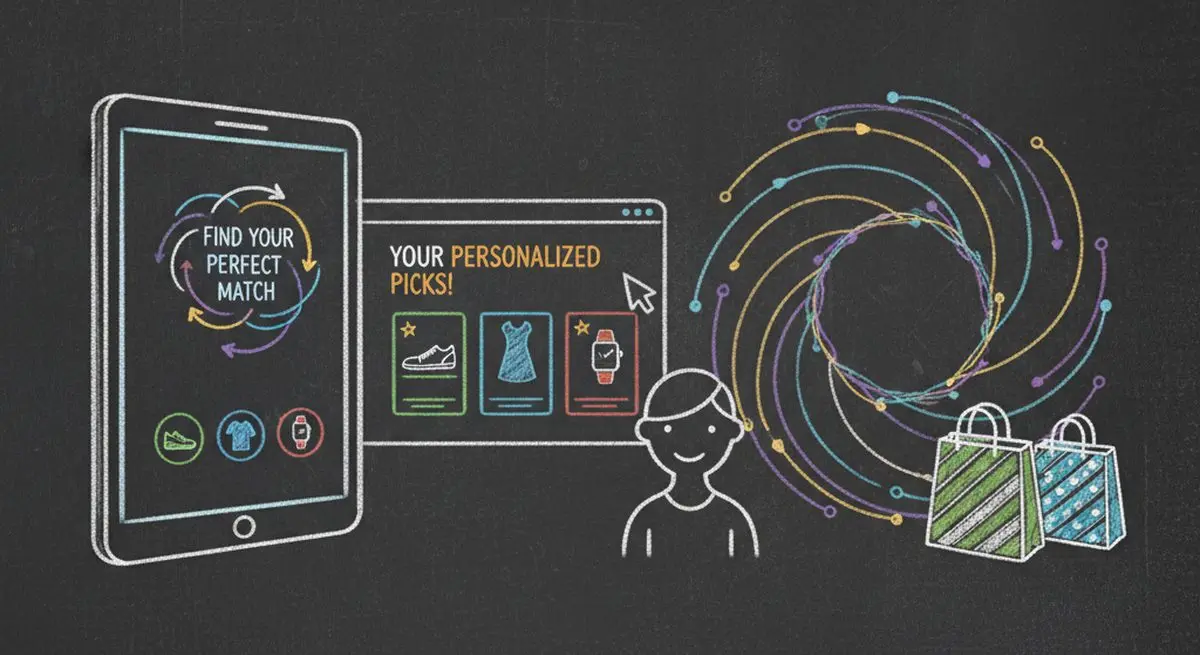
How AI product recommendation quizzes capture real-time intent so DTC brands can personalize like Amazon without its purchase history, and open an agent-sourced sales channel.
AI quiz generation is reliable for drafting questions, not for an unchecked answer key. How it compares with manual quiz writing, and the checks to run before you publish.
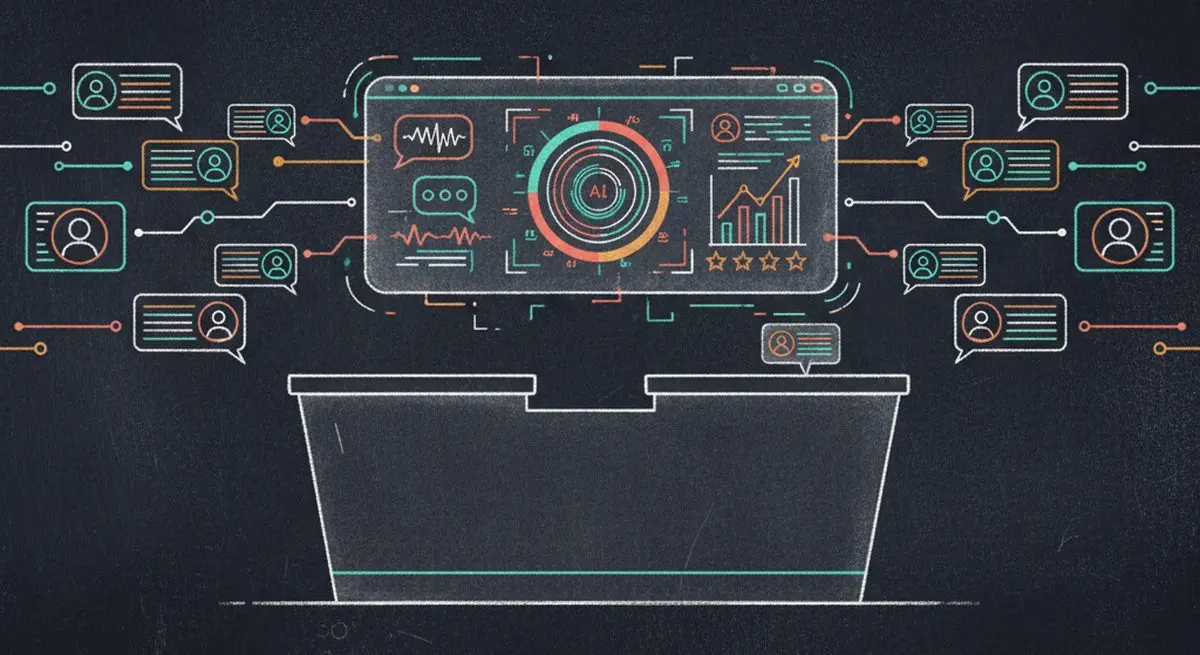
AI agents are taking on client intake for service businesses. How agent funnels handle discovery, qualification, and booking, and how the front desk's job changes.
