


Nine family scenarios explore comfort, boundaries, routines, and growing independence, from a toddler’s supermarket meltdown to a teenager missing curfew. "How do you handle screen time in your household?" contrasts explained limits, flexible routines, earned privileges, and shared use. The displayed Ending is chosen randomly and is not determined by your answers. These broad reflection labels do not grade your parenting, determine your child’s attachment, or replace advice adapted to age, development, and family circumstances. "Authoritative Parent" and "Permissive Parent" offer contrasting examples of how limits and flexibility might be discussed, rather than classifications assigned from your choices.
One of the listed results is selected at random. Your answers are not scored or used to choose the result.
Create engaging quizzes tailored to your brand. Our AI-powered quiz generator helps you build personalized assessments that capture attention and drive engagement.
Discover what your quiz results might reveal

Random sample Ending, unrelated to your answers. This sample profile may combine consistent boundaries with explanations and attention to feelings. Consider whether your child has space to ask questions and whether expectations suit their age and circumstances. This pattern can be a discussion prompt, but the quiz cannot establish how your child experiences your parenting.

Random sample Ending, unrelated to your answers. This sample profile may favor flexibility and reassurance when a child protests or feels disappointed. Reflect on which routines need clearer expectations and which can reasonably adapt. Warmth and boundaries can coexist; this label does not tell you whether your home is safe, supportive, or effective.

Random sample Ending, unrelated to your answers. This sample profile may put predictable rules and follow-through first. Consider how to acknowledge a child’s feelings and hear their explanation while maintaining appropriate limits. The quiz cannot observe your tone or circumstances, so avoid treating this result as a complete judgment of your relationship.

Random sample Ending, unrelated to your answers. This sample profile may prioritize closeness, reassurance, and shared time when a child struggles. Consider how to pair that connection with age-appropriate independence and clear, safe boundaries. This informal label does not measure attachment security or predict how your child will develop.
Explore more quizzes in this category

Reflect on waiting for a text, choosing a restaurant, replaying feedback, and reviewing an email. Ten scenarios include "You're lying in bed trying to fall asleep. What is your mind actually doing?" about thoughts at bedtime. The possible Endings, such as "Moving On After a Decision" and "When Thinking Feels Hard to Leave", are displayed randomly and independently of your answers. They are examples of situations, not measured symptom bands, an anxiety diagnosis, or a personalized treatment recommendation.

Use nine questions to put words to sleep, concentration, patience, enjoyment and everyday routines. "Over the past month, how have your sleep, eating, and movement habits held up?" asks about recent sleep, eating and movement habits. Possible reflection samples include "Discussing Demands and Support". The sample is selected randomly and does not use your answers, diagnose burnout or indicate severity. Persistent exhaustion or loss of interest deserves attention regardless of the displayed title.

Reflect on eight experiences involving waking mood, new demands, physical tension, rest, sleep, relationships, concentration, and enjoyment. "Describe your sleep pattern over the past few weeks." asks about recent rest rather than a permanent trait. The displayed Ending is chosen randomly and is not determined by your answers. These informal labels do not establish a stress level, explain symptoms, or determine whether you need care; use them to notice experiences you may want to discuss. Even "Low Signs of Stress" is only a sample heading, not reassurance that symptoms can be ignored.

Use chakra symbolism to reflect on security, emotional expression, communication, and perspective. Ten prompts include "How do you feel about your physical safety and basic needs (housing, food, financial security)?" and questions about creativity and connection. One of four themes, such as "Root Chakra Reflection" or "Throat Chakra Reflection", appears randomly without using answers. This spiritual exercise cannot detect a blockage, assess all seven chakras, diagnose symptoms, or prescribe healing.

Nine everyday scenarios examine responses to criticism, a promotion, praise, mistakes, disagreement, and unfamiliar social situations. "Someone you respect pays you an unexpected compliment. What happens next?" contrasts accepting, doubting, deflecting, and discounting praise. The displayed Ending is chosen randomly and is not determined by your answers. The labels describe fictional examples, not measured ability, a diagnosis, or proof that hesitation is always a confidence problem. "Building Confidence" is one example for reflecting on small steps and practice, not evidence of a measured change in confidence.

Reflect on disappointment, prolonged pressure, trust, self-talk, disrupted plans, and difficult conversations. The question "You're weeks into a high-pressure stretch with no clear end in sight. What does your self-care actually look like?" asks how self-care looks during an extended demanding period. Possible examples include "Steady Support Practices" and "Making Space for Recovery". The displayed example is random, independent of your answers, and does not measure resilience or diagnose distress. Use your own responses to identify situations and support needs you want to consider.
Tips, guides, and insights on quizzes and lead generation
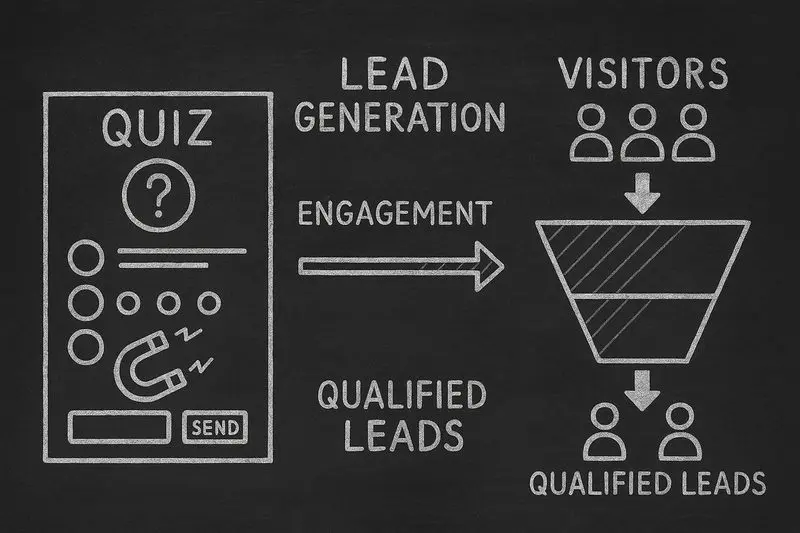
How lead generation quizzes work, the 5 quiz types that fit different goals, a design framework, and an email-capture playbook, with conversion data from Interact's quiz report.
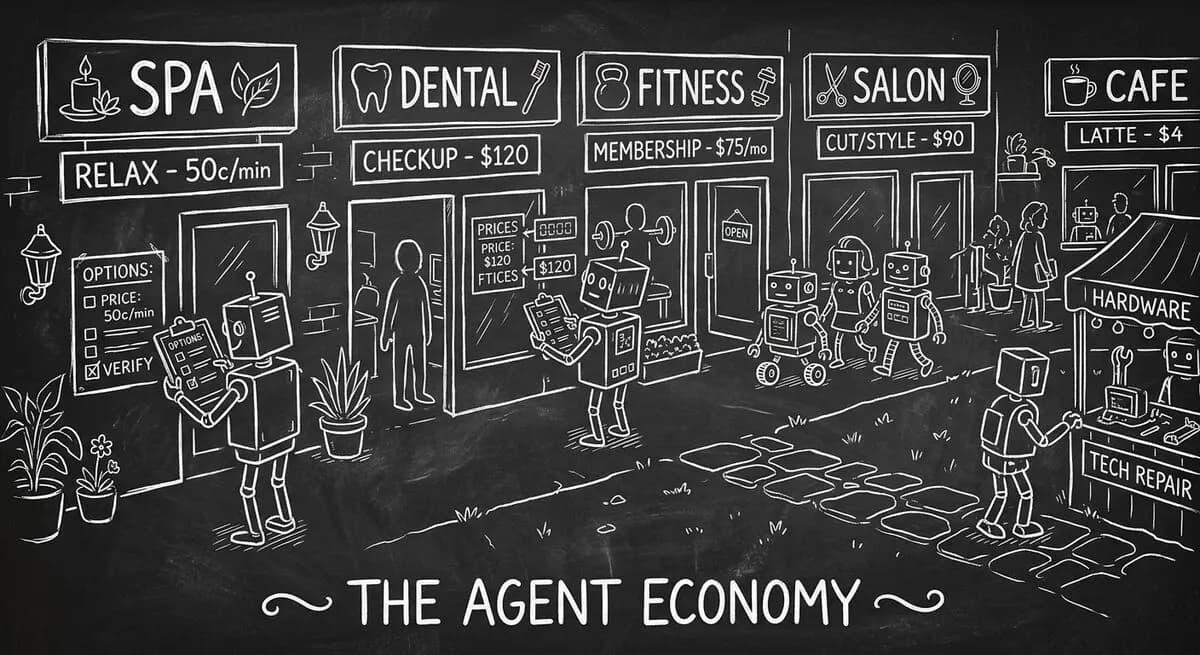
A practical guide to testing whether an authorized AI agent can find service information and submit an inquiry, with separate configuration for confirmed bookings.

OpenAI's GPT-5.4 joined Anthropic's Claude Opus 4.6 and Google's Gemini 3.1 Pro in early 2026. How their strengths differ for forms, quizzes, and lead qualification, and which to use for what.
