


Your inner strength isn't one-size-fits-all — it's the specific quality that carries you through hard moments, shapes your decisions, and defines how you show up when things get difficult. This quiz examines how you handle pressure, sudden change, emotional demands, and long-term setbacks to pinpoint the core strength you rely on most. Five distinct outcomes — resilience, adaptability, empathy, determination, and clarity — each paint a detailed picture of how you're wired. Two minutes of honest answers and you'll walk away with a framework that actually explains what you've been doing right all along.
One of the listed results is selected at random. Your answers are not scored or used to choose the result.
Create engaging quizzes tailored to your brand. Our AI-powered quiz generator helps you build personalized assessments that capture attention and drive engagement.
Discover what your quiz results might reveal

You are the person who absorbs pressure without scattering. Your strength isn't loudness or speed — it's a near-geological steadiness that signals to everyone nearby that the situation is survivable. You've been through enough to know that most hard things pass, and that knowledge lives in your bones. Your growth edge: let yourself feel the full weight of difficulty instead of insulating others from your own struggle.

You are someone who finds traction precisely where others freeze. When a plan breaks, your mind is already generating angles and options — not because you're impulsive, but because you genuinely see possibility where others see dead ends. In fast-moving situations you're not just useful, you're energizing. Your watch-out: resist moving to the next fix before the current one has had time to settle.

You are powered by the ability to make other people feel genuinely understood — and that is not a soft skill, it's a rare strategic one. You build the kind of trust that most relationships never reach, and you hold space in ways that actually shift how people see their own situations. That attunement is your engine. The thing to protect: your own reserves, because your default is to give before you've checked whether you have anything left.

You are someone whose relationship with quitting is fundamentally different from most people's — it simply doesn't register as an option the way it does for others. Your strength is a focused, bone-deep commitment that outlasts obstacles, doubt, and outside noise. Goals aren't aspirations for you; they're contracts you've made with yourself. Your one real risk: tunnel vision. Pausing to confirm you're still aimed at the right target is the move that makes all that energy count.

You are someone who sees what's actually there, not what fear or wishful thinking wants you to see. In moments when others are overwhelmed or spinning, you slow down, separate signal from noise, and communicate what's real — which is exactly what those situations need. You're the stable center in a spinning room. Your opportunity: learn to trust your intuition as readily as your analysis, because they're not opposites.
Explore more quizzes in this category

Reflect on waiting for a text, choosing a restaurant, replaying feedback, and reviewing an email. Ten scenarios include "You're lying in bed trying to fall asleep. What is your mind actually doing?" about thoughts at bedtime. The possible Endings, such as "Moving On After a Decision" and "When Thinking Feels Hard to Leave", are displayed randomly and independently of your answers. They are examples of situations, not measured symptom bands, an anxiety diagnosis, or a personalized treatment recommendation.

Use nine questions to put words to sleep, concentration, patience, enjoyment and everyday routines. "Over the past month, how have your sleep, eating, and movement habits held up?" asks about recent sleep, eating and movement habits. Possible reflection samples include "Discussing Demands and Support". The sample is selected randomly and does not use your answers, diagnose burnout or indicate severity. Persistent exhaustion or loss of interest deserves attention regardless of the displayed title.

Reflect on eight experiences involving waking mood, new demands, physical tension, rest, sleep, relationships, concentration, and enjoyment. "Describe your sleep pattern over the past few weeks." asks about recent rest rather than a permanent trait. The displayed Ending is chosen randomly and is not determined by your answers. These informal labels do not establish a stress level, explain symptoms, or determine whether you need care; use them to notice experiences you may want to discuss. Even "Low Signs of Stress" is only a sample heading, not reassurance that symptoms can be ignored.

Use chakra symbolism to reflect on security, emotional expression, communication, and perspective. Ten prompts include "How do you feel about your physical safety and basic needs (housing, food, financial security)?" and questions about creativity and connection. One of four themes, such as "Root Chakra Reflection" or "Throat Chakra Reflection", appears randomly without using answers. This spiritual exercise cannot detect a blockage, assess all seven chakras, diagnose symptoms, or prescribe healing.

Nine everyday scenarios examine responses to criticism, a promotion, praise, mistakes, disagreement, and unfamiliar social situations. "Someone you respect pays you an unexpected compliment. What happens next?" contrasts accepting, doubting, deflecting, and discounting praise. The displayed Ending is chosen randomly and is not determined by your answers. The labels describe fictional examples, not measured ability, a diagnosis, or proof that hesitation is always a confidence problem. "Building Confidence" is one example for reflecting on small steps and practice, not evidence of a measured change in confidence.

Reflect on disappointment, prolonged pressure, trust, self-talk, disrupted plans, and difficult conversations. The question "You're weeks into a high-pressure stretch with no clear end in sight. What does your self-care actually look like?" asks how self-care looks during an extended demanding period. Possible examples include "Steady Support Practices" and "Making Space for Recovery". The displayed example is random, independent of your answers, and does not measure resilience or diagnose distress. Use your own responses to identify situations and support needs you want to consider.
Tips, guides, and insights on quizzes and lead generation

Eight Botox marketing ideas to evaluate: dedicated landing pages, consultation requests, seasonal promotions, local SEO, and configured follow-ups.
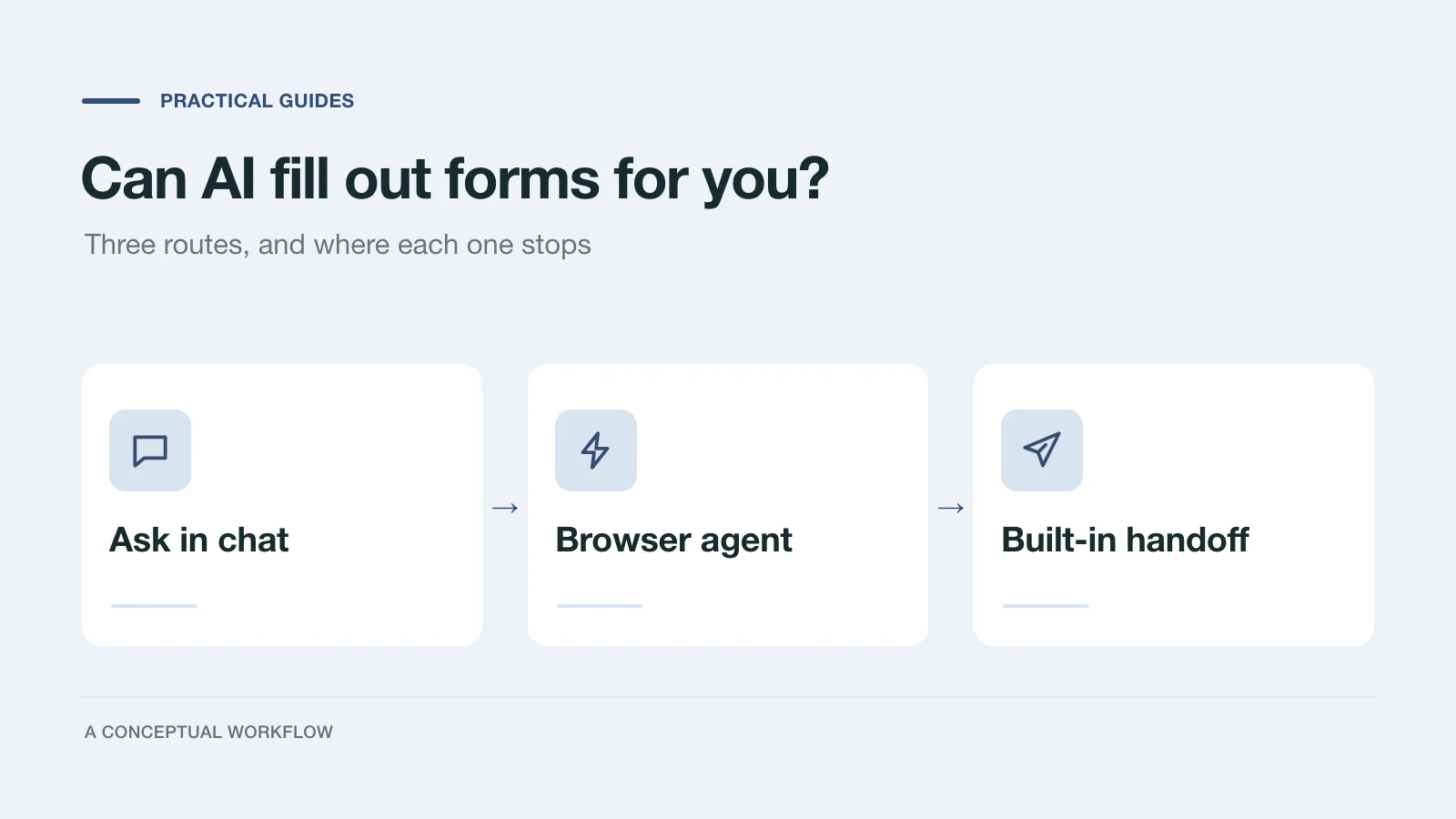
Yes, in three different ways: answers you paste in, a browser agent that clicks for you, or a form built for assistants. What each one handles and where it stops.
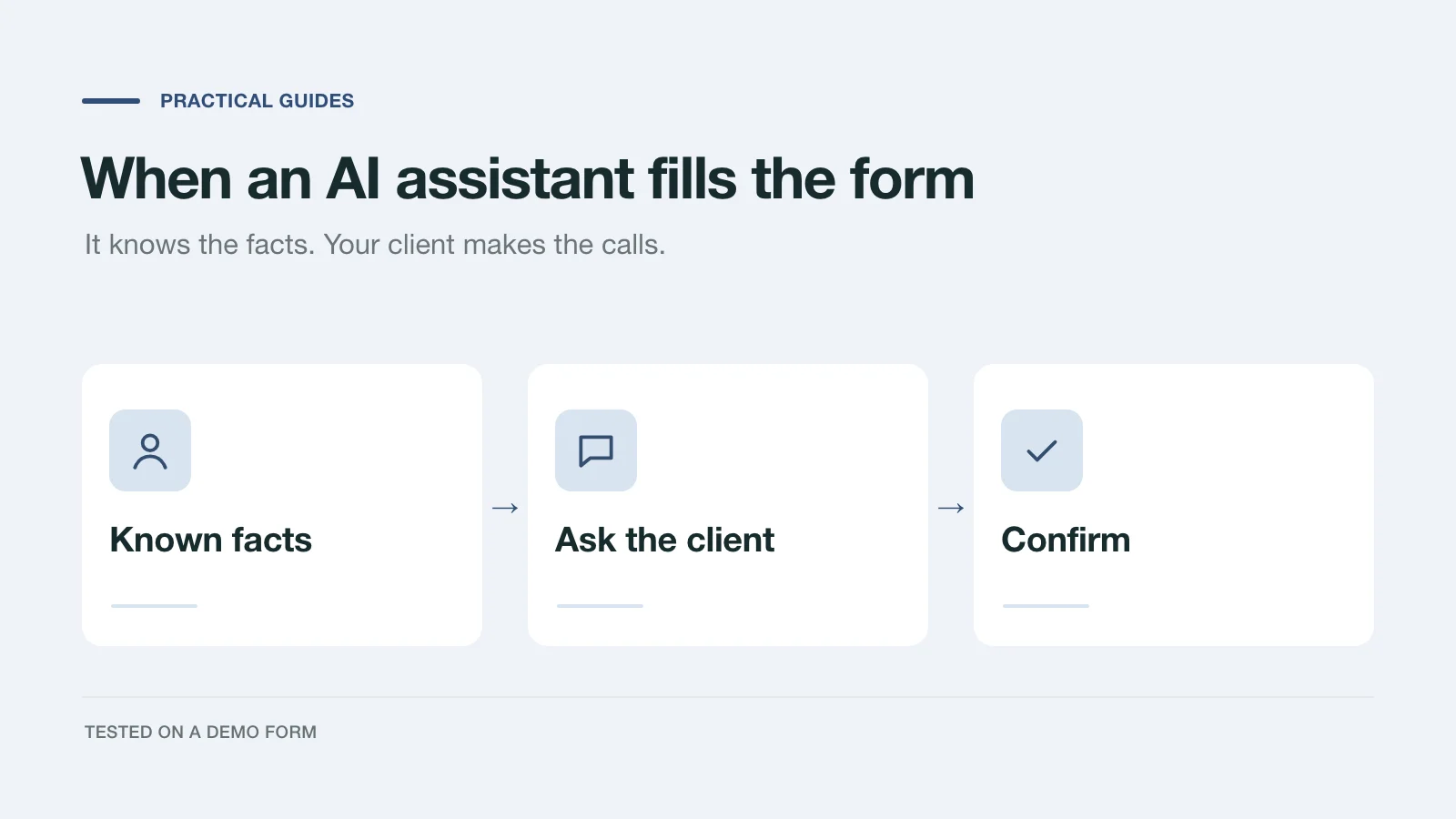
We had an AI assistant complete a demo project inquiry two ways: by clicking through the page and through a handoff prompt. What it knew, what it asked, and what to change.
