


Explore responses to a hurtful argument, missed birthday, damaged keepsake, and canceled visit. The question "When someone apologizes to YOU, what actually makes you believe they mean it?" asks what makes an apology believable to you. Four examples include "The Verbal Accountant" and "The Quiet Repairer", contrasting precise acknowledgment, gestures, practical repair, and direct regret. An example is displayed at random, without interpreting your answers. These custom profiles are reflection prompts, not a validated model or a formula for forgiveness.
One of the listed results is selected at random. Your answers are not scored or used to choose the result.
Create engaging quizzes tailored to your brand. Our AI-powered quiz generator helps you build personalized assessments that capture attention and drive engagement.
Discover what your quiz results might reveal

This random example focuses on naming the specific harm and accepting responsibility without excuses. A clear explanation can help, but a long account should not crowd out the other person's experience. Pair words with a realistic change and ask what they need. This is a possible apology approach, not an assessment of your responses.

This random example explores a thoughtful gesture that shows attention to the relationship. A meal, note, or replacement may accompany an apology, but a gift does not erase harm or purchase forgiveness. Check whether the gesture is welcome and acknowledge what happened directly. Your answers did not assign this profile.

This random example emphasizes practical follow-through and changes that can be observed over time. Repair might mean replacing an item with permission or keeping an agreed commitment. Quiet action works best alongside acknowledgment, not as a way to avoid a difficult conversation. This example does not judge your trustworthiness.

This random example values a direct, sincere apology without a defensive speech. Plain regret can open a conversation, while listening and action help address what happened. The other person may need time or choose not to forgive; sincerity does not create an obligation. This is an illustrative approach, not a finding about your character.
Explore more quizzes in this category

Consider attraction to women, friendship, and future relationships through "When you imagine your ideal romantic relationship, who do you see yourself with?". "You Might Be a Lesbian" is randomly selected and cannot identify your orientation. Questions distinguish attraction from admiration and invite you to consider dating, close friendships, dreams, and the future you imagine. None of these answers proves a sexual orientation or controls the Ending. You can take time with uncertainty, use the terms that help you, or leave your feelings unlabeled.

Reflect on attraction and social pressure with "How often do you experience sexual attraction toward others?". "Possibly on the Asexual Spectrum" introduces terms to explore; the Ending is random, not inferred from answers. Other questions separate romantic connection from sexual attraction and ask about emotional bonds and attitudes toward sex. These experiences can differ: behavior, libido, and attraction are not interchangeable. Read the result themes as vocabulary for reflection, without treating them as an orientation test or a requirement to adopt a label.

Explore attraction across genders with "Have you ever experienced romantic or sexual attraction to more than one gender?". "Bisexual Identity Likely" is a random label, not a probability or finding about bisexuality. Questions cover imagined partners, fictional characters, past dating, and whether romantic and sexual feelings align. Attraction need not be equal across genders, and dating experience is not required for bisexuality. The three Ending titles offer topics to consider, while your answers do not calculate a likelihood or assign an identity.

Reflect on affection, openness, and future hopes through "How do you imagine your future with this person?". Even "Definitely in Love" is a random Ending, not confirmation of love, compatibility, or the other person's feelings. Choices ask how often you think about the person, how openly you share feelings, and how you respond to distance or other romantic interests. Jealousy and intensity alone are not proof of love or a healthy relationship. Use the prompts to reflect on care, boundaries, and communication; the answers do not select a relationship verdict.

Reflect on how dating fits your life through cancelled plans, conflict, commitment and vulnerability. "What does your personal life look like right now, honestly?" asks about the room you have for a partner alongside current responsibilities. Five possible Endings include "Still Healing" and "Happily, Deliberately Unready", separating lingering feelings from a deliberate preference to stay single. The displayed Ending is a randomly selected sample, independent of your answers. It does not assess you.

Twelve questions cover early dates, messages, attachment pace, and conversations about the relationship. "What do you look for first in a potential partner?" invites reflection on what you value before interpreting a connection. The Ending "The Loyal Partner" is one of three randomly selected themes. Answers are not summed to define a personality, measure attachment, or predict compatibility.
Tips, guides, and insights on quizzes and lead generation
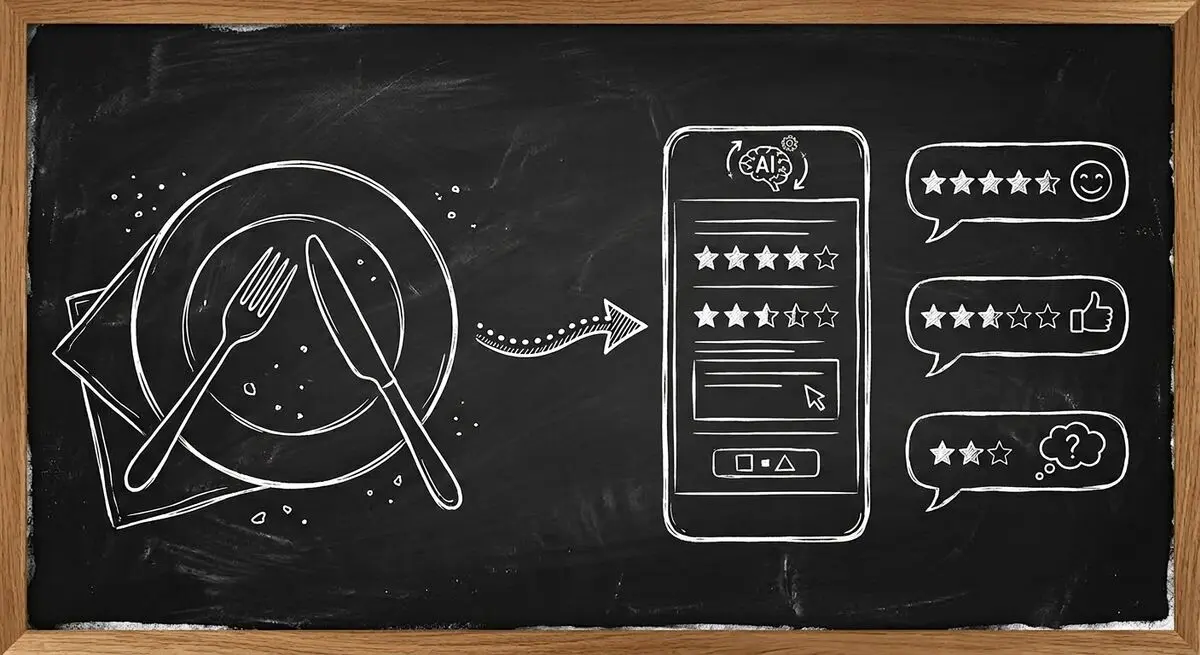
How restaurants use AI-powered feedback forms to capture customer sentiment in real time, resolve problems before they become public reviews, and bring guests back. A complete setup guide with QR code strategy.

Learn proven restaurant reputation management tips for handling online reviews. Discover how to respond to feedback professionally, manage negative reviews, and use AI-powered feedback forms to protect and grow your restaurant’s reputation.
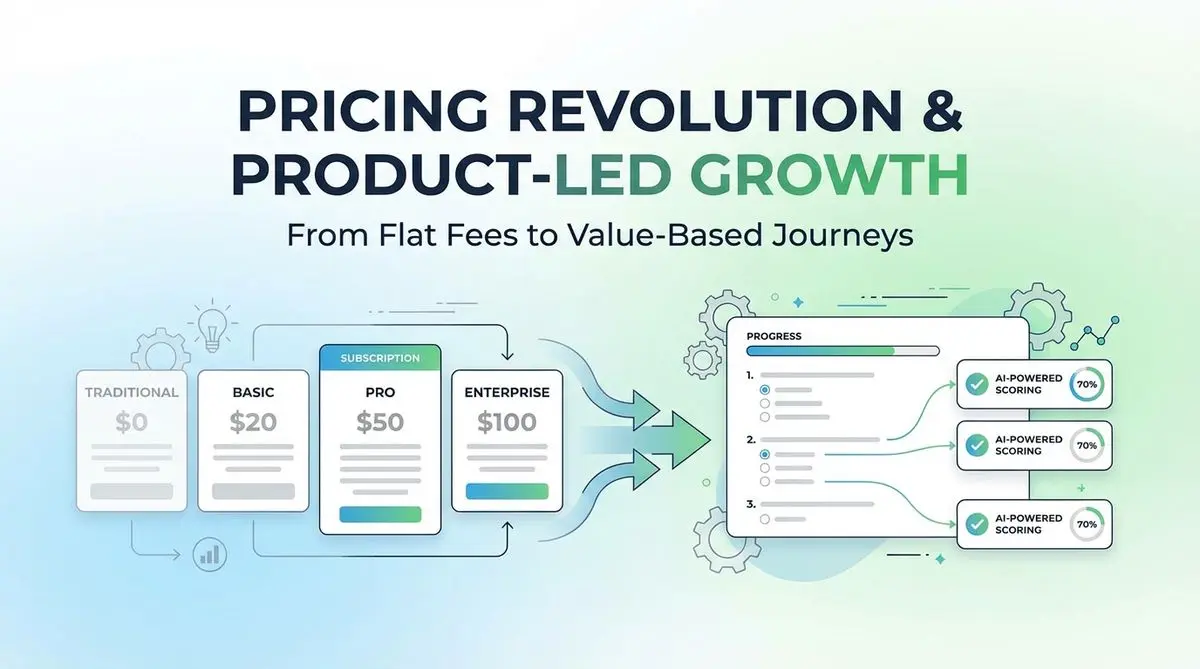
A proposed SaaS intake quiz can collect use case, budget, and timeline before a trial. Test its effect on signups, activation, and paying customers.
