


Twelve questions about activities, nature, and values offer material for fictional nicknames. "What is your favorite activity?" begins the reflection; "Running Bear" is one of four randomly selected results. These English-language inventions are not authentic Indigenous names, translations, or a naming ceremony.
One of the listed results is selected at random. Your answers are not scored or used to choose the result.
Create engaging quizzes tailored to your brand. Our AI-powered quiz generator helps you build personalized assessments that capture attention and drive engagement.









Discover what your quiz results might reveal

Running Bear is a fictional nature nickname for a theme of persistence and resilience. It does not claim authenticity in any Indigenous naming tradition.

Soaring Eagle is a creative nickname that evokes observation and perspective. This quiz does not assign an Indigenous identity or traditional name.

Dancing Moon is a fictional nickname for a joyful, imaginative mood. Treat it as a writing prompt rather than a culturally authorized name.
Singing River is an invented nature nickname that evokes calm and connection. It is not a translation from an Indigenous language or a ceremonial name.
Explore more quizzes in this category

Reflect on honesty, helping, and accountability through "How do you respond when you realize you've made a mistake?". "Good Person" is one of four randomly selected reflection labels, not a verdict on your character. The scenarios cover returning a lost wallet, responding to bullying, and taking responsibility for mistakes. Use the choices to think about particular actions you could change or repair. Answers do not earn moral points or decide which Ending is selected, and one response cannot summarize a person's character.

Clothes, hobbies, and self-description appear alongside "Which statement best describes you?". The four randomly chosen labels include "Boy"; neither the selection nor your tastes establish gender. You choose between clothing styles, favorite creatures, activities with friends, and ways of describing yourself. These preferences can be conversation starters, but there is no boy-versus-girl score. A result does not override your own words, and you can explore your identity without settling on a label.

Explore fursonas, anthropomorphic art, and community interest through "Have you ever created or imagined an animal character that represents you?". "Furry-Curious Explorer" is one of four random fandom labels; identifying as a furry remains your choice. Choices explore animal characters, roleplay, conventions, and whether you already use the word furry. Interest in a character or artwork does not automatically imply community membership. You do not need a fursuit, a fursona, or an event ticket to explore the fandom, and answers do not determine the Ending.

Consider late-night support, cancellations, confidentiality, and a friend’s success across eight scenarios. "Think about your closest friendship. When did you last reach out with no reason — just to say you were thinking of them?" explores contact without an occasion. A reflection such as "The Anchor Friend" is displayed randomly, independently of choices. These examples describe possible habits without assessing your character or revealing what a friend thinks.

Notice what happens while a friend vents, someone gives directions, or a conversation turns emotional. Eight scenarios include "Someone shares a strong opinion you disagree with. While they're still mid-sentence, you:" and a colleague’s personal update. Possible Endings such as "Selective Listener" illustrate attention habits, but the player displays one randomly, independently of your answers. Use the questions themselves to reflect on interruptions, clarification, and follow-up; the sample result does not measure listening skill.

Questions about goals, setbacks, and rest include "How do you handle failure?". "Work in Progress" is one of four randomly selected labels; productivity does not determine your worth. The choices contrast detailed plans, flexible goals, responses to criticism, and different ways of spending free time. Treat them as prompts to consider your circumstances and support needs. Rest is not failure, and achievements do not establish human value; the answers neither rank you nor predict future success.
Tips, guides, and insights on quizzes and lead generation
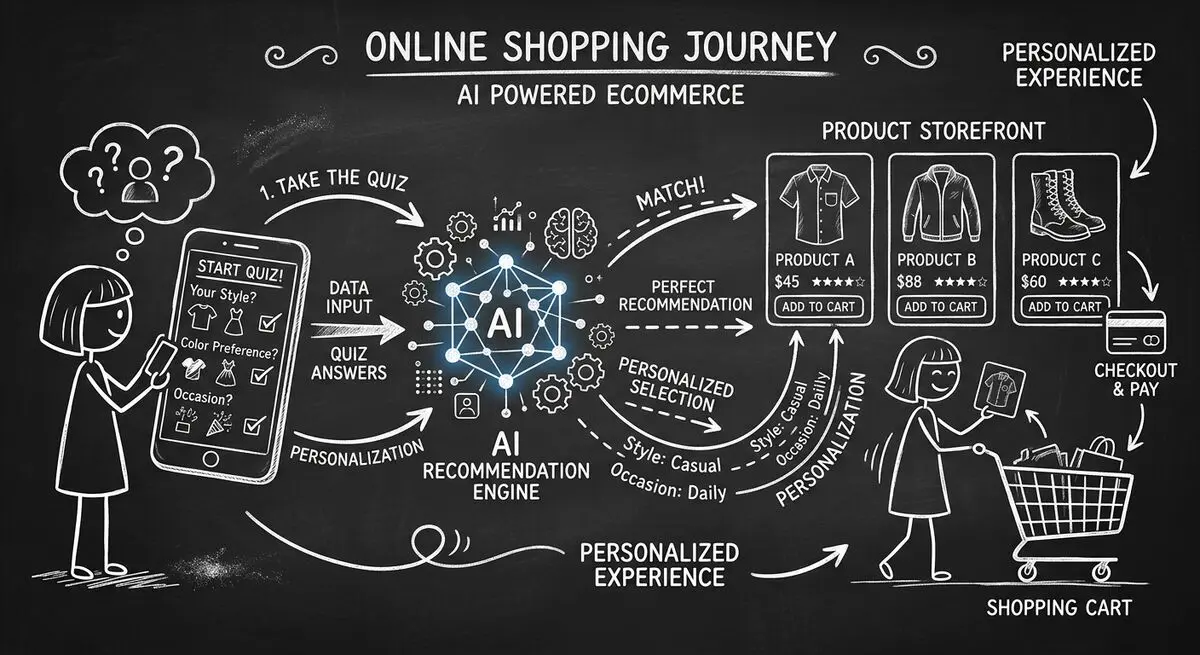
How to design an AI-assisted product quiz, map answers to recommendations, configure external tools, and measure the result for your store.
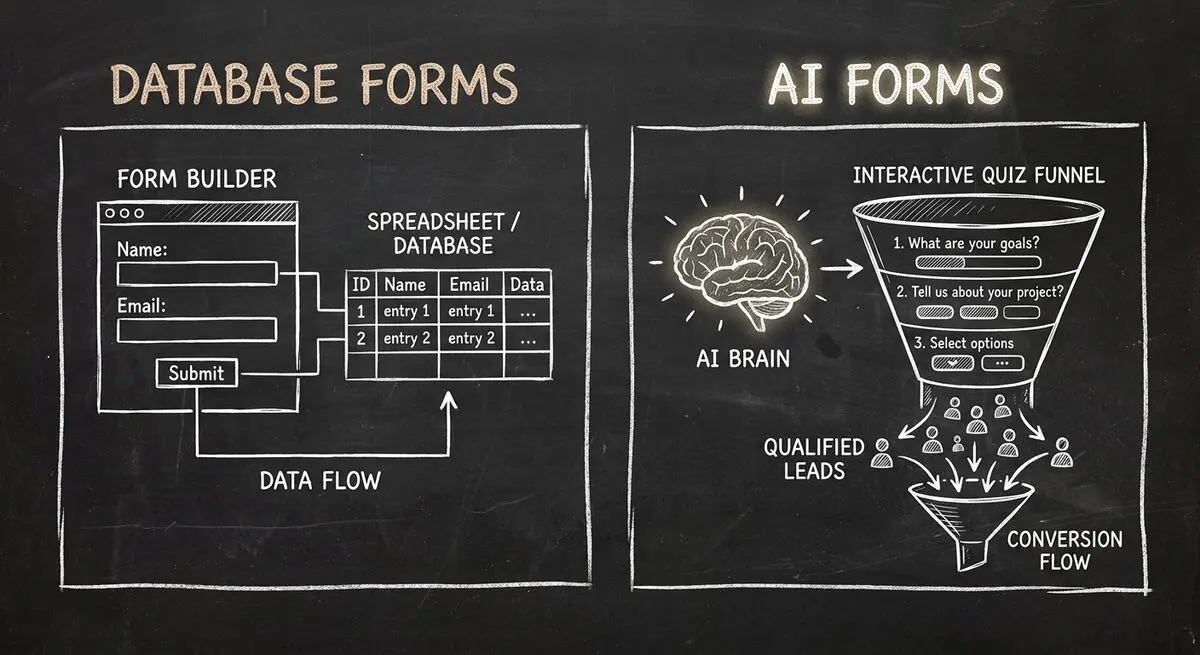
Compare Dashform and Fillout for lead intake, AI drafting, qualification, database connections, and the handoffs to test before switching.
FormHug vs Dashform side by side: AI quiz funnels, lead scoring, and pricing. Where FormHug excels and where switching makes sense for agencies and coaches.
