


Explore closeness, trust, conflict, independence, and expressing needs across ten relationship prompts. "When your partner is unavailable or distant, how do you react?" considers an unavailable partner, while other questions include friendship and vulnerability. The possible Endings include "Secure Attachment Style" and "Fearful-Avoidant Attachment Style". The player displays a sample randomly, independently of your answers; it does not identify your attachment style. Use the scenarios for discussion, without inferring a childhood history or a diagnosis.
One of the listed results is selected at random. Your answers are not scored or used to choose the result.
Create engaging quizzes tailored to your brand. Our AI-powered quiz generator helps you build personalized assessments that capture attention and drive engagement.





Discover what your quiz results might reveal
This randomly displayed sample illustrates comfort with both connection and independence. It is not a finding about your attachment style. The theme includes expressing needs directly, checking assumptions, and allowing both people space while remaining available by agreement. If useful, consider a recent conversation in which you could ask for support without demanding constant reassurance. No relationship is conflict-free, and needing help or having doubts does not invalidate a bond. This example cannot establish your childhood experiences, relationship quality, or future satisfaction.

This sample is selected randomly and does not identify your style. It illustrates worries about closeness, reassurance, or what an unanswered message means. If those experiences are familiar, separate what you know from what you fear and consider asking directly about communication expectations. Wanting contact is not a fault, and another person’s actual inconsistency may matter. The quiz cannot infer neglect, childhood care, or a mental health condition. Persistent distress can be discussed with a qualified professional in the context of your real relationship.
This randomly selected example describes a preference for self-reliance or emotional space. It does not establish that you avoid intimacy, lack empathy, or had unavailable caregivers. If the theme resonates, consider whether a pause helps you return to a discussion or leaves your needs unspoken. You can explain the space you need and agree on when to reconnect, without giving up privacy or independence. Boundaries, cultural expectations, and safety all matter. Treat the text as a possible discussion topic, not a fixed identity.
This random sample explores wanting connection while also feeling uneasy about it. The display is unrelated to your answers and cannot prove trauma or a particular attachment pattern. If you recognize mixed wishes, try naming what feels welcome, what feels too fast, and which boundaries would make a conversation safer. You do not have to disclose personal experiences or remain in an unsafe relationship to practise closeness. Support from a qualified professional may help with ongoing distress, but this quiz does not prescribe a treatment or reconstruct your past.
Explore more quizzes in this category

Reflect on honesty, helping, and accountability through "How do you respond when you realize you've made a mistake?". "Good Person" is one of four randomly selected reflection labels, not a verdict on your character. The scenarios cover returning a lost wallet, responding to bullying, and taking responsibility for mistakes. Use the choices to think about particular actions you could change or repair. Answers do not earn moral points or decide which Ending is selected, and one response cannot summarize a person's character.

Clothes, hobbies, and self-description appear alongside "Which statement best describes you?". The four randomly chosen labels include "Boy"; neither the selection nor your tastes establish gender. You choose between clothing styles, favorite creatures, activities with friends, and ways of describing yourself. These preferences can be conversation starters, but there is no boy-versus-girl score. A result does not override your own words, and you can explore your identity without settling on a label.

Explore fursonas, anthropomorphic art, and community interest through "Have you ever created or imagined an animal character that represents you?". "Furry-Curious Explorer" is one of four random fandom labels; identifying as a furry remains your choice. Choices explore animal characters, roleplay, conventions, and whether you already use the word furry. Interest in a character or artwork does not automatically imply community membership. You do not need a fursuit, a fursona, or an event ticket to explore the fandom, and answers do not determine the Ending.

Consider late-night support, cancellations, confidentiality, and a friend’s success across eight scenarios. "Think about your closest friendship. When did you last reach out with no reason — just to say you were thinking of them?" explores contact without an occasion. A reflection such as "The Anchor Friend" is displayed randomly, independently of choices. These examples describe possible habits without assessing your character or revealing what a friend thinks.

Notice what happens while a friend vents, someone gives directions, or a conversation turns emotional. Eight scenarios include "Someone shares a strong opinion you disagree with. While they're still mid-sentence, you:" and a colleague’s personal update. Possible Endings such as "Selective Listener" illustrate attention habits, but the player displays one randomly, independently of your answers. Use the questions themselves to reflect on interruptions, clarification, and follow-up; the sample result does not measure listening skill.

Questions about goals, setbacks, and rest include "How do you handle failure?". "Work in Progress" is one of four randomly selected labels; productivity does not determine your worth. The choices contrast detailed plans, flexible goals, responses to criticism, and different ways of spending free time. Treat them as prompts to consider your circumstances and support needs. Rest is not failure, and achievements do not establish human value; the answers neither rank you nor predict future success.
Tips, guides, and insights on quizzes and lead generation
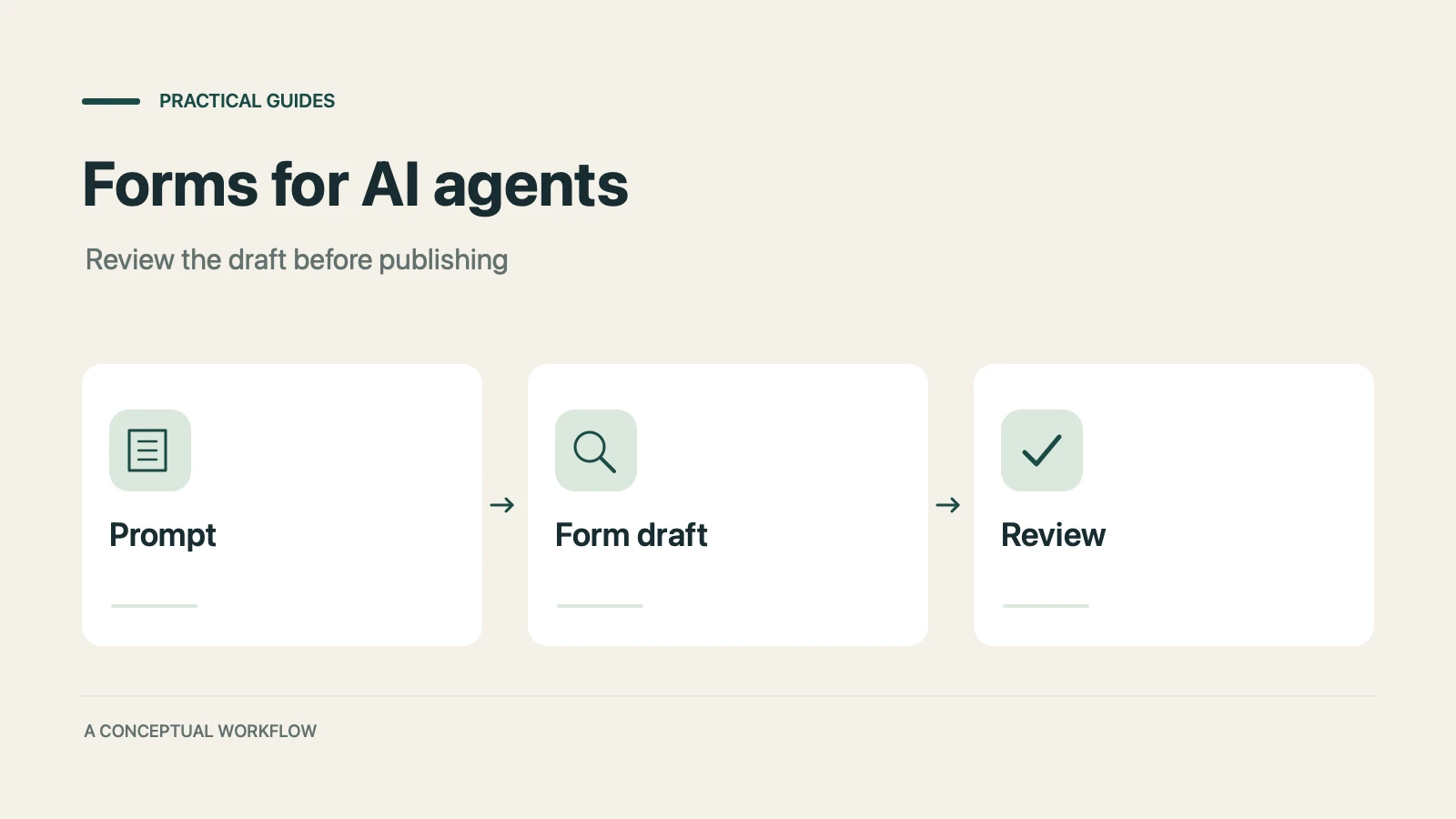
A practical guide to evaluating terminal-based Dashform workflows, checking current commands, reviewing drafts, and publishing with explicit authorization.
Use Dashform's MCP connection in a compatible AI client to draft and edit forms, review the saved result, and publish when ready.
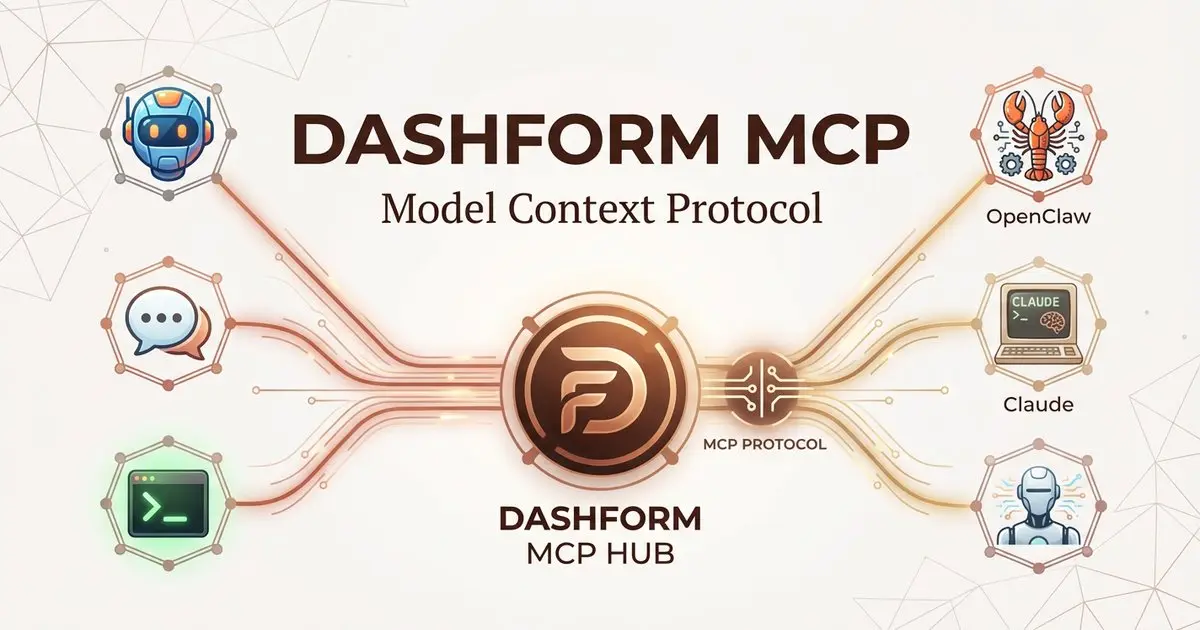
Dashform now supports the Model Context Protocol (MCP). Connect OpenClaw, Claude Code, LangChain, or any MCP-compatible AI agent to create AI-powered forms, surveys, and quiz funnels programmatically through getaiform.com/api/mcp.
