


Reflect on canceled plans, unwanted feedback, jealousy over success, and taking responsibility when late. Eight scenarios include "A plan you proposed gets changed without much input from you. You:", where your proposed plan changes. The possible Endings include "Taking Over" and "Keeping Score", but one is displayed randomly, without evaluating your answers. The deliberately difficult options are conversation prompts, not proof that you are toxic or that another person feels harmed.
One of the listed results is selected at random. Your answers are not scored or used to choose the result.
Create engaging quizzes tailored to your brand. Our AI-powered quiz generator helps you build personalized assessments that capture attention and drive engagement.
Discover what your quiz results might reveal

This random sample examines the urge to control a shared plan or quietly take over work. It does not establish that you behave this way. If the situation feels familiar, distinguish a genuine responsibility from a preference about how something should be done. Ask what others can own and agree on essential constraints before intervening. Clear standards can coexist with room for different methods. The example cannot know others’ feelings or justify accepting unsafe or inadequate work.

This randomly displayed example considers explaining external causes before acknowledging your part in a problem. It is not an accusation based on answers. If relevant, name the specific action you controlled, such as leaving late, and offer a realistic repair. Context still matters: taking responsibility does not require accepting blame for everything. Avoid using an elaborate apology to seek reassurance from the affected person. A useful conversation stays concrete about what happened and what changes next.

This random example explores saying everything is fine while showing anger through withdrawal or pointed remarks. It does not infer manipulation or diagnose a personality trait. If you recognize the situation, consider naming the concern directly when it is safe, or explain that you need time before talking. Silence can also be a boundary or a response to overload. The point is to clarify your intention where possible, not assume that every pause is hostile.

This sample is chosen randomly and illustrates a conversation shifting from another person’s news to your own story. It cannot establish that others feel ignored. If it sounds familiar, ask a follow-up question and let the original speaker decide whether they want your related experience or advice. Sharing your life can build connection when there is room for both people. Notice the balance in an actual conversation instead of adopting the label as your identity.

This randomly selected example considers revisiting old grievances when a new disagreement appears. It does not prove that you hold grudges. If relevant, separate an unresolved pattern from a settled incident and name the request you want to make now. Remembering harm can protect a boundary; you do not owe forgiveness or continued contact. A useful discussion focuses on specific behavior and safety, rather than treating a random paragraph as evidence against yourself or someone else.
Explore more quizzes in this category

Reflect on honesty, helping, and accountability through "How do you respond when you realize you've made a mistake?". "Good Person" is one of four randomly selected reflection labels, not a verdict on your character. The scenarios cover returning a lost wallet, responding to bullying, and taking responsibility for mistakes. Use the choices to think about particular actions you could change or repair. Answers do not earn moral points or decide which Ending is selected, and one response cannot summarize a person's character.

Clothes, hobbies, and self-description appear alongside "Which statement best describes you?". The four randomly chosen labels include "Boy"; neither the selection nor your tastes establish gender. You choose between clothing styles, favorite creatures, activities with friends, and ways of describing yourself. These preferences can be conversation starters, but there is no boy-versus-girl score. A result does not override your own words, and you can explore your identity without settling on a label.

Explore fursonas, anthropomorphic art, and community interest through "Have you ever created or imagined an animal character that represents you?". "Furry-Curious Explorer" is one of four random fandom labels; identifying as a furry remains your choice. Choices explore animal characters, roleplay, conventions, and whether you already use the word furry. Interest in a character or artwork does not automatically imply community membership. You do not need a fursuit, a fursona, or an event ticket to explore the fandom, and answers do not determine the Ending.

Consider late-night support, cancellations, confidentiality, and a friend’s success across eight scenarios. "Think about your closest friendship. When did you last reach out with no reason — just to say you were thinking of them?" explores contact without an occasion. A reflection such as "The Anchor Friend" is displayed randomly, independently of choices. These examples describe possible habits without assessing your character or revealing what a friend thinks.

Notice what happens while a friend vents, someone gives directions, or a conversation turns emotional. Eight scenarios include "Someone shares a strong opinion you disagree with. While they're still mid-sentence, you:" and a colleague’s personal update. Possible Endings such as "Selective Listener" illustrate attention habits, but the player displays one randomly, independently of your answers. Use the questions themselves to reflect on interruptions, clarification, and follow-up; the sample result does not measure listening skill.
Questions about goals, setbacks, and rest include "How do you handle failure?". "Work in Progress" is one of four randomly selected labels; productivity does not determine your worth. The choices contrast detailed plans, flexible goals, responses to criticism, and different ways of spending free time. Treat them as prompts to consider your circumstances and support needs. Rest is not failure, and achievements do not establish human value; the answers neither rank you nor predict future success.
Tips, guides, and insights on quizzes and lead generation
An illustrative walkthrough of a web development agency replacing its contact form with an AI-scored intake assessment: the questions, the three-tier routing, and what to measure so fewer hours go into proposals that never close.
Many websites block AI crawlers without knowing it. Which 12 AI bots visit your site, how to check your robots.txt, and copy-paste fixes to become visible to ChatGPT, Claude, and Gemini.
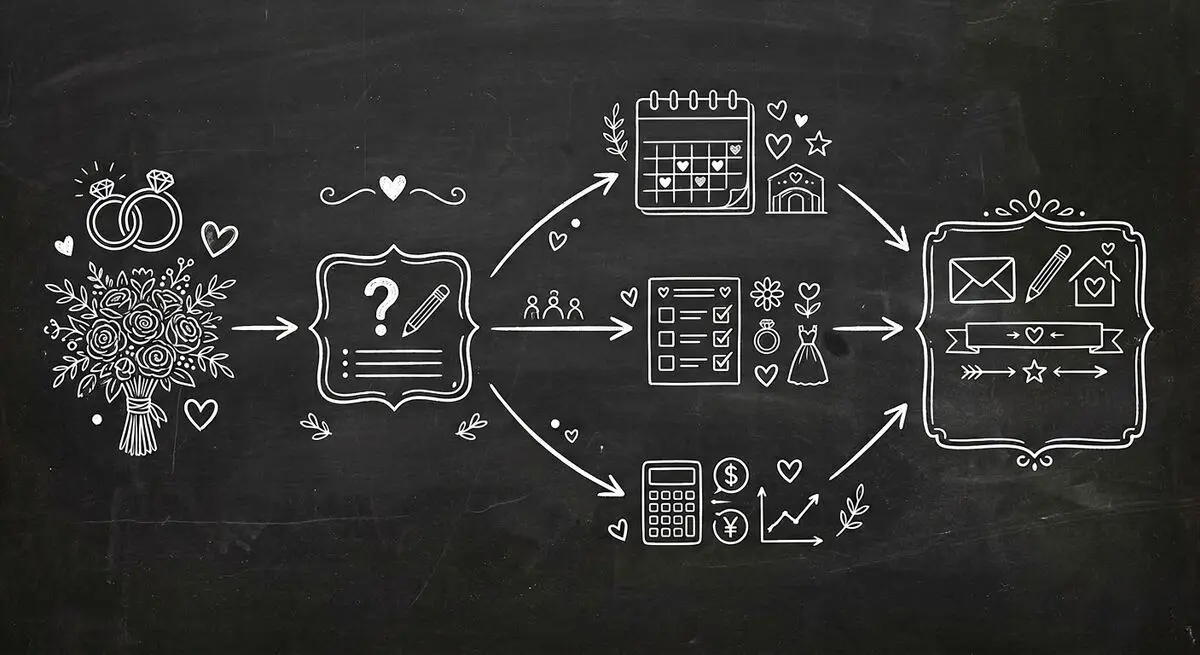
How wedding planners can use AI quiz funnels to attract and qualify couples online by style, budget, and timeline, and walk into consultations prepared. Step-by-step implementation guide.
