


Do you leave parties buzzing or quietly counting the minutes? This quiz maps exactly how you experience social situations — what fuels you, what costs you, and the specific patterns behind your people preferences. Eight scenario-based questions will reveal whether you're a natural energizer, a deep-connection seeker, a context-driven adaptor, a solo recharger, or someone whose social life is quietly tangled with anxiety. No vague labels — just a precise, honest read on how you're wired socially.
One of the listed results is selected at random. Your answers are not scored or used to choose the result.
Create engaging quizzes tailored to your brand. Our AI-powered quiz generator helps you build personalized assessments that capture attention and drive engagement.
Discover what your quiz results might reveal

You are genuinely powered by other people — not performing extroversion, actually running on it. Crowds give you momentum, new faces are interesting rather than exhausting, and your best thinking tends to happen out loud in conversation with someone else. Your main blind spot: you can misread quieter people as disengaged when they're just processing differently than you do.

You have no interest in quantity — a single two-hour conversation with someone you trust is worth more to you than an entire evening of mingling. You're warm and fully present with the right people, but you protect your social energy carefully and feel no guilt about a small, curated inner circle. The trap to watch: turning down new people so reflexively that the circle never grows.

Your social battery doesn't run on a fixed setting — it reads the room and recalibrates. You can work a crowd on Tuesday and spend Friday completely alone without either feeling like a compromise. The real challenge isn't energy; it's honesty — knowing when you're genuinely flexible versus when you're just suppressing a preference to keep the peace.

Solitude isn't your fallback — it's your default and your preference, and you've stopped apologizing for that. Social time can be genuinely good, but it costs you something real, and you've learned to budget it deliberately: short windows, chosen people, defined endpoints. You do your sharpest thinking alone, and the quiet isn't empty — it's where you actually live.

You want connection — the desire is real — but almost every social situation comes with a performance layer that runs in the background and quietly exhausts you. Your energy isn't low so much as split: half of it goes to being present, the other half goes to monitoring how you're landing. The people who've seen you fully relaxed know a version of you that most of the world doesn't get to meet.
Explore more quizzes in this category

Reflect on honesty, helping, and accountability through "How do you respond when you realize you've made a mistake?". "Good Person" is one of four randomly selected reflection labels, not a verdict on your character. The scenarios cover returning a lost wallet, responding to bullying, and taking responsibility for mistakes. Use the choices to think about particular actions you could change or repair. Answers do not earn moral points or decide which Ending is selected, and one response cannot summarize a person's character.

Clothes, hobbies, and self-description appear alongside "Which statement best describes you?". The four randomly chosen labels include "Boy"; neither the selection nor your tastes establish gender. You choose between clothing styles, favorite creatures, activities with friends, and ways of describing yourself. These preferences can be conversation starters, but there is no boy-versus-girl score. A result does not override your own words, and you can explore your identity without settling on a label.

Explore fursonas, anthropomorphic art, and community interest through "Have you ever created or imagined an animal character that represents you?". "Furry-Curious Explorer" is one of four random fandom labels; identifying as a furry remains your choice. Choices explore animal characters, roleplay, conventions, and whether you already use the word furry. Interest in a character or artwork does not automatically imply community membership. You do not need a fursuit, a fursona, or an event ticket to explore the fandom, and answers do not determine the Ending.

Consider late-night support, cancellations, confidentiality, and a friend’s success across eight scenarios. "Think about your closest friendship. When did you last reach out with no reason — just to say you were thinking of them?" explores contact without an occasion. A reflection such as "The Anchor Friend" is displayed randomly, independently of choices. These examples describe possible habits without assessing your character or revealing what a friend thinks.

Notice what happens while a friend vents, someone gives directions, or a conversation turns emotional. Eight scenarios include "Someone shares a strong opinion you disagree with. While they're still mid-sentence, you:" and a colleague’s personal update. Possible Endings such as "Selective Listener" illustrate attention habits, but the player displays one randomly, independently of your answers. Use the questions themselves to reflect on interruptions, clarification, and follow-up; the sample result does not measure listening skill.

Questions about goals, setbacks, and rest include "How do you handle failure?". "Work in Progress" is one of four randomly selected labels; productivity does not determine your worth. The choices contrast detailed plans, flexible goals, responses to criticism, and different ways of spending free time. Treat them as prompts to consider your circumstances and support needs. Rest is not failure, and achievements do not establish human value; the answers neither rank you nor predict future success.
Tips, guides, and insights on quizzes and lead generation
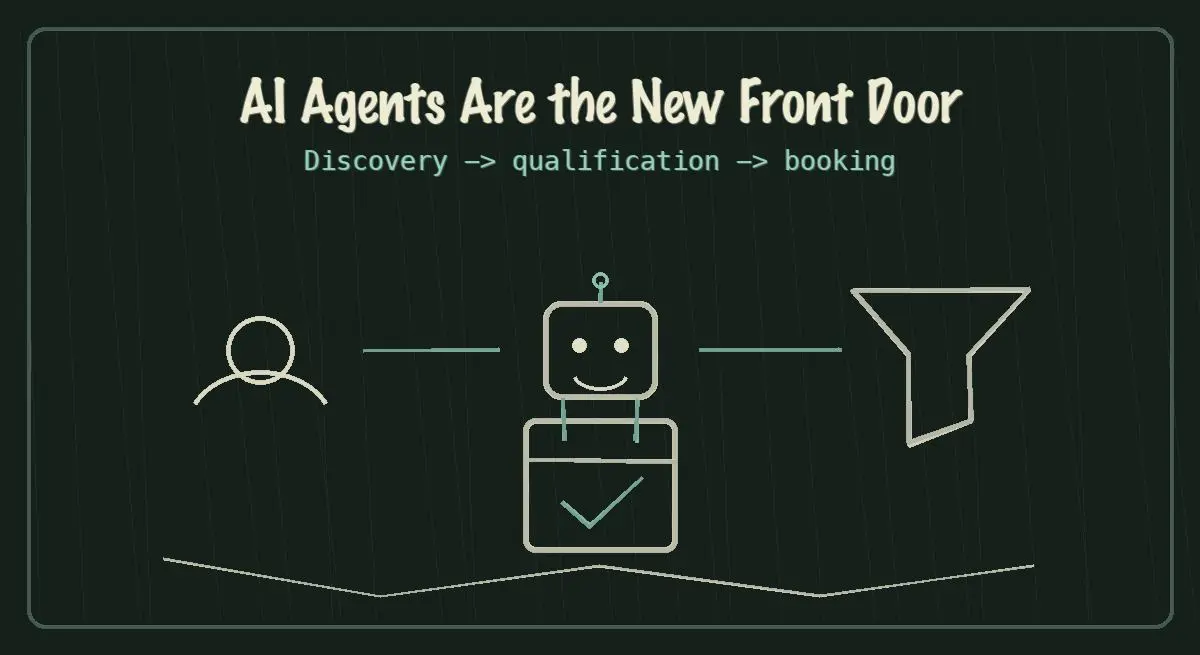
AI agents are becoming the new front door for local service discovery. Learn how to make your business discoverable, qualified, and bookable in 2026.
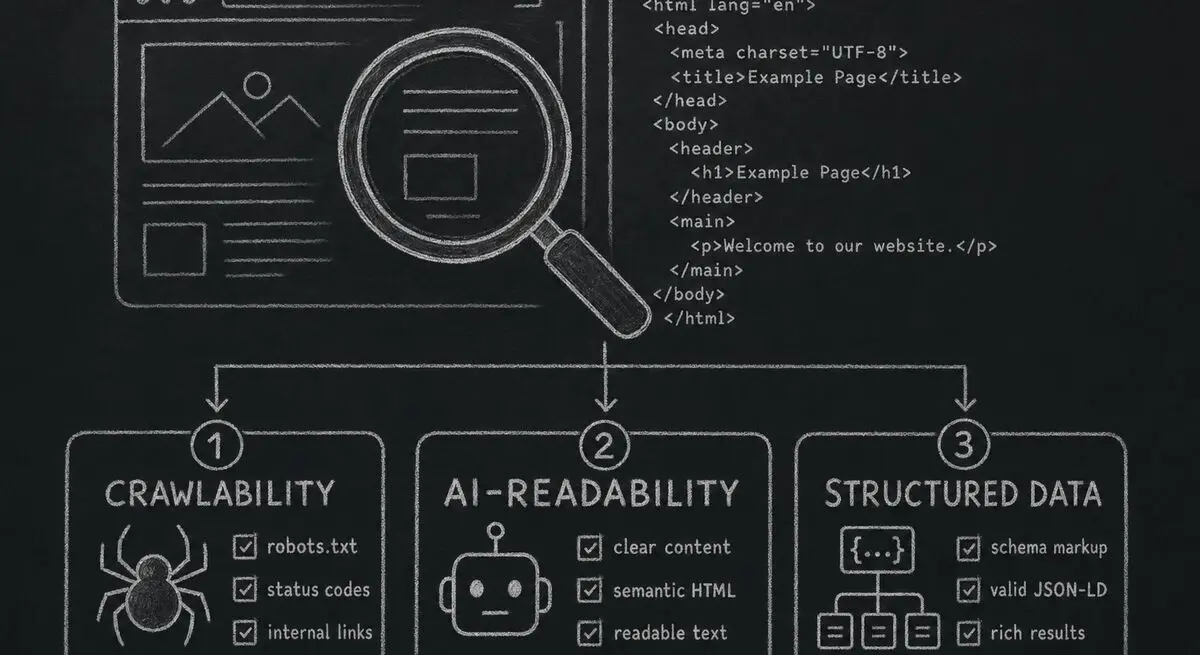
How Dashform computes technical agent readiness, groups its checks into Readiness Layers, and presents Findings without predicting traffic or revenue.

Add a header image in Google Forms and review Dashform's logo, theme, and step-background options for branded forms.
