


Eight everyday scenarios cover payday, spontaneous travel, unexpected money, bank balances, sales, group dinners, and future plans. "How do you feel when opening your banking app?" asks about opening a banking app. "The Saver" and three other examples appear randomly, independently of answers. They do not assess wealth or financial competence.
One of the listed results is selected at random. Your answers are not scored or used to choose the result.
Create engaging quizzes tailored to your brand. Our AI-powered quiz generator helps you build personalized assessments that capture attention and drive engagement.
Discover what your quiz results might reveal

This random example describes a savings focus without assessing your finances. Reserves can provide flexibility, while overly rigid rules can make necessary or wanted spending difficult. Review obligations, available resources, and goals before setting an amount. A suitable plan can include enjoyment and rest. The label does not establish stability or financial superiority.

This random investment example is not a recommendation and does not use your answers. Interest in long-term growth requires considering risk, fees, time horizon, and accessible reserves. No product guarantees a desired return. Verify information independently and seek qualified advice when useful. Curiosity is neither proof of competence nor a reason to invest immediately.

This random example explores spending on experiences and enjoyment without judging your conduct. Pleasure can be part of a plan alongside obligations and future needs. Before a spontaneous purchase, consider what it enables and what it displaces. The point is deliberate choice, not guilt or a blanket ban on enjoyable things.

This random example discusses postponed money decisions without establishing a disorder or a character flaw. Confusing paperwork or difficult experiences can make starting harder. A small step might be checking one upcoming bill or balance and seeking support. Work with the resources actually available. The label does not determine your worth or future.
Explore more quizzes in this category

Consider payday buffers, spontaneous trips, higher bills, windfalls, credit cards, and long-term saving. The question "How often do you actually look at your bank or credit card statements?" asks about reviewing statements. "Money-Savvy Planner" illustrates planning habits alongside profiles about flexibility, spending, and uncertainty; none evaluates your accounts or recommends investments. The displayed Ending is a randomly selected sample; your answers do not determine it.

Review age, mileage, exterior, interior, mechanical history, title records, previous owners, and comparable listings. Eight prompts include "What do you know about the title and accident history?". The player randomly displays an information topic such as "Gather Vehicle Details" or "Verify Title and Ownership History", independently of answers. It does not calculate a price or value tier, inspect the car, or consult current listings. Use the questions to prepare information for a separate valuation.
Tips, guides, and insights on quizzes and lead generation
When splitting a long form into steps helps conversion and when it doesn't, the research and psychology behind it, and a step-by-step playbook to build one in any form builder.
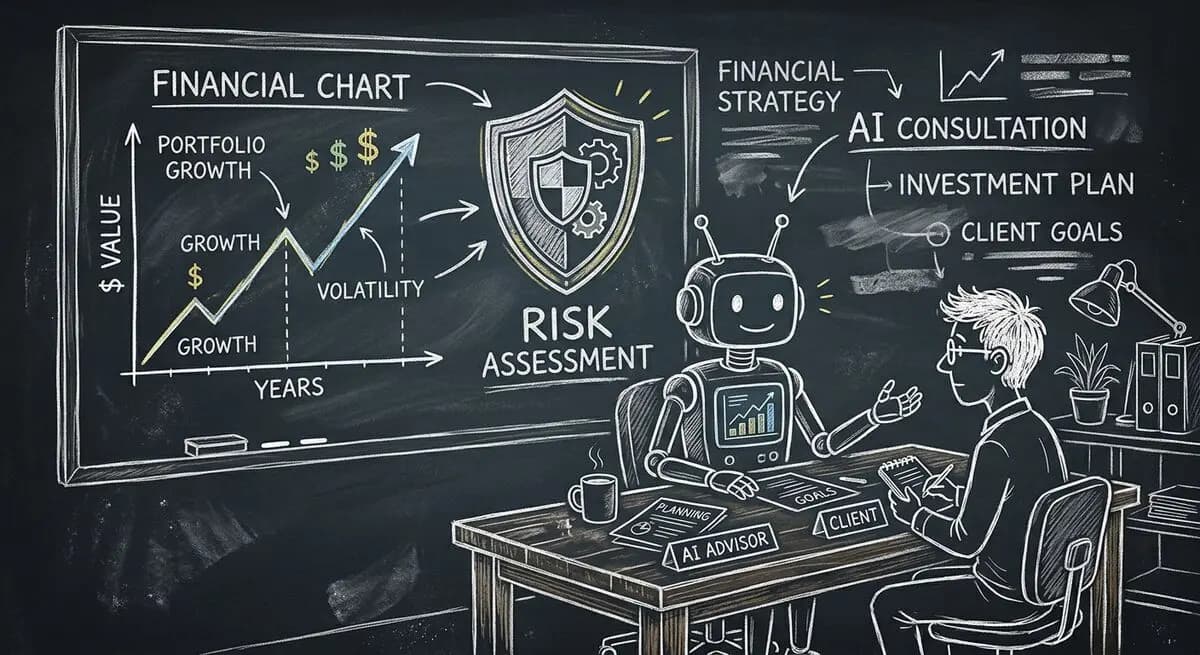
A proposed financial advisory intake workflow using Dashform and a separately configured OpenClaw agent, with advisor review and explicit integration boundaries.

How solo and mid-size firms can use OpenClaw and Dashform to qualify case intake around the clock, so attorneys spend consultations on viable cases. Step-by-step setup.
