IntegrationsAX AuditNewPricingBlogSupport
Dashform
DashformDashform

© 2026 Dashform

Forms your customers recognize and AI agents can book.

InstagramYouTubeX
Product
  • AI Tools
  • Templates
  • Pricing
  • Dashform CLI for Agents
  • What is Dashform
  • AI Info
  • AX Audit New
  • Affiliate
Solutions
  • Coaches & Consultants
  • Agencies
  • Wellness & Local Services
  • Trades & Home Services
  • Real Estate
  • Legal, Finance & Accounting
Use Cases
  • Assessment/Quiz
  • Waitlists
  • Survey
  • Webinars
  • Feedback/NPS
  • Appointment Booking
  • Client Onboarding
  • Lead Qualification
  • Product Recommendation
Compare
  • Typeform alternative
  • Tally alternative
  • Google Forms alternative
  • Jotform alternative
  • GoHighLevel alternative
  • involve.me alternative
  • LeadQuizzes alternative
Company
  • Blog
  • Docs
  • Privacy Policy
  • Terms of Service
Get Started Free
Categories/Finance

How Good Am I With Money? 2026

How Good Am I With Money?

Consider payday buffers, spontaneous trips, higher bills, windfalls, credit cards, and long-term saving. The question "How often do you actually look at your bank or credit card statements?" asks about reviewing statements. "Money-Savvy Planner" illustrates planning habits alongside profiles about flexibility, spending, and uncertainty; none evaluates your accounts or recommends investments. The displayed Ending is a randomly selected sample; your answers do not determine it.

Dashform team markPublished by Dashform Team, Product education·Last reviewed February 15, 2026
9 Questions
Take quiz

Ready? Let's Find Out.

One of the listed results is selected at random. Your answers are not scored or used to choose the result.

Guided QuestionsPossible Results~2 min

Make your own quiz with AI

Create engaging quizzes tailored to your brand. Our AI-powered quiz generator helps you build personalized assessments that capture attention and drive engagement.

Try Free AI Quiz Generator

Quiz transcript

It's the 20th of the month with two weeks until payday. You open your banking app. What do you see?
1

It's the 20th of the month with two weeks until payday. You open your banking app. What do you see?

A comfortable buffer — I planned for this exact stretch
Enough for essentials, but it's tighter than I'd like
Less than I expected, and I'm not sure why
I already know it's bad, so I haven't checked
A friend texts: spontaneous weekend trip, roughly $400, leaving Friday. What actually happens?
2

A friend texts: spontaneous weekend trip, roughly $400, leaving Friday. What actually happens?

I check my dedicated travel fund and book if the money is there
I go — I'll reshuffle the budget when I get back
I put it on a credit card and deal with next month's me
I want to go but the unplanned cost makes me say no
Your electricity bill arrives $60 higher than usual. How does it land?
3

Your electricity bill arrives $60 higher than usual. How does it land?

Absorbed without drama — my buffer exists for exactly this
I move something around and cover it the same week
I stress about it for several days before sorting it out
It genuinely throws off my finances for two or three weeks
You receive $800 you weren't expecting — a bonus, a gift, a tax refund. What happens to it?
4

You receive $800 you weren't expecting — a bonus, a gift, a tax refund. What happens to it?

A set percentage goes straight to savings or investments before I touch it
I split it deliberately: some saved, some enjoyed
I enjoy it first and transfer whatever's left — which isn't always much
It's gone within a month and I can't fully account for where
How often do you actually look at your bank or credit card statements?
5

How often do you actually look at your bank or credit card statements?

Weekly or more — I log and categorize every transaction
Once a month when the statement lands
When a big purchase prompts me to check
Rarely, and I usually don't love what I find when I do
You want something that costs $250 and isn't urgent. What do you do?
6

You want something that costs $250 and isn't urgent. What do you do?

I set a savings target, hit it over a set number of weeks, then buy
I put it on a 30-day wait list — if I still want it, I buy it then
I buy it when I have the cash available, no formal plan
I buy it now — waiting for something I want feels pointless
What best describes your credit card behavior right now?
7

What best describes your credit card behavior right now?

Full balance paid every single month, no exceptions
Usually paid in full, but I've carried a small balance a few times
I pay the minimum and tell myself I'll clear it soon
I don't use them — I know they'd get away from me
If a trusted friend asked whether you have three months of expenses saved as an emergency fund, what would you honestly say?
8

If a trusted friend asked whether you have three months of expenses saved as an emergency fund, what would you honestly say?

Yes — it's in a separate high-yield savings account
I have savings, but not a full three months yet
I have a small cushion, nothing close to three months
No. I'm living paycheck to paycheck right now
When retirement or long-term investing comes up, what's your honest internal reaction?
9

When retirement or long-term investing comes up, what's your honest internal reaction?

I have a written plan and I'm actively executing it
I've started somewhere, even if I know I should do more
It feels so overwhelming I keep pushing the decision forward
It worries me and I genuinely don't know where to begin

Possible Results

Discover what your quiz results might reveal
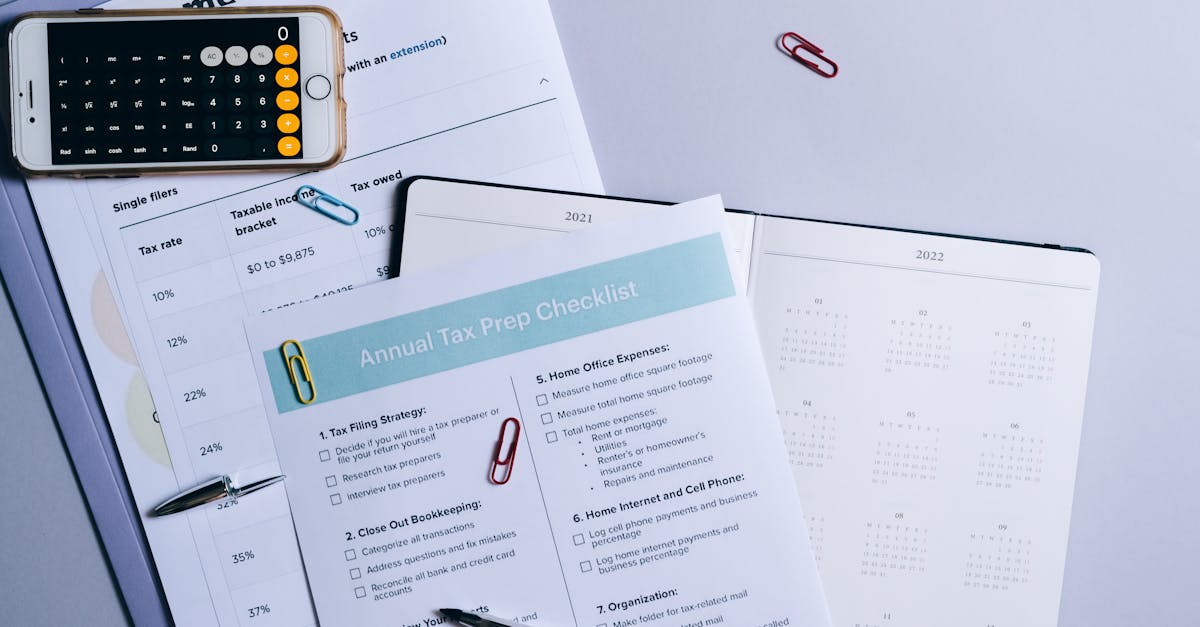
Money-Savvy Planner

Money-Savvy Planner

Money-habit example: planning ahead, reviewing transactions, and reserving funds before optional purchases can make decisions more deliberate. A real budget still needs to reflect income, essential costs, and changing obligations. This randomly selected portrait does not verify your balances, history, investment suitability, or planning habits. It offers a question for reflection, not a personal financial plan.

Steady and Sensible

Steady and Sensible

Money-habit example: someone may cover essentials and adjust spending while maintaining uneven saving routines. A regular review could reveal whether any transfer is affordable after necessities. The appropriate buffer depends on circumstances. This random portrait is not derived from your choices and promises neither spare income nor improvement by a deadline.

Optimistic Spender

Optimistic Spender

Money-habit example: enjoying a purchase now while postponing saving can make future costs harder to plan. Income and unavoidable expenses matter too. Before an optional purchase, a person could check upcoming bills and use a waiting period if helpful. This random example does not establish your spending behavior or assume money is available to save.

Financial Fresh Start

Financial Fresh Start

Money-habit example: uncertainty, avoidance, or difficulty covering expenses can have many causes. A manageable list of essential bills and recent transactions may clarify the situation; if necessities are unaffordable, qualified local support may help more than simply urging saving. This random portrait does not identify your circumstances or judge your character.

Related tool

More finance quizzes →

Browse quizzes about money habits and financial planning.

FAQ

Similar quizzes

Explore more quizzes in this category

Car Value Preparation: What to Check

Car Value Preparation: What to Check 2026

Review age, mileage, exterior, interior, mechanical history, title records, previous owners, and comparable listings. Eight prompts include "What do you know about the title and accident history?". The player randomly displays an information topic such as "Gather Vehicle Details" or "Verify Title and Ownership History", independently of answers. It does not calculate a price or value tier, inspect the car, or consult current listings. Use the questions to prepare information for a separate valuation.

What's My Money Personality?

What's My Money Personality? 2026

Eight everyday scenarios cover payday, spontaneous travel, unexpected money, bank balances, sales, group dinners, and future plans. "How do you feel when opening your banking app?" asks about opening a banking app. "The Saver" and three other examples appear randomly, independently of answers. They do not assess wealth or financial competence.

See more quizzes→

Related articles

Tips, guides, and insights on quizzes and lead generation

A coaching client assessment workflow, showing forms, scoring, and lead qualification steps
Tips

ScoreApp Alternatives for Coaches (When You Need More Than Scoring)

Many coaches start with ScoreApp for client scoring, but outgrow scoring-only workflows as their business scales. This article explores common ScoreApp alternatives and what modern coaches should look for beyond simple assessments.
February 6, 2026
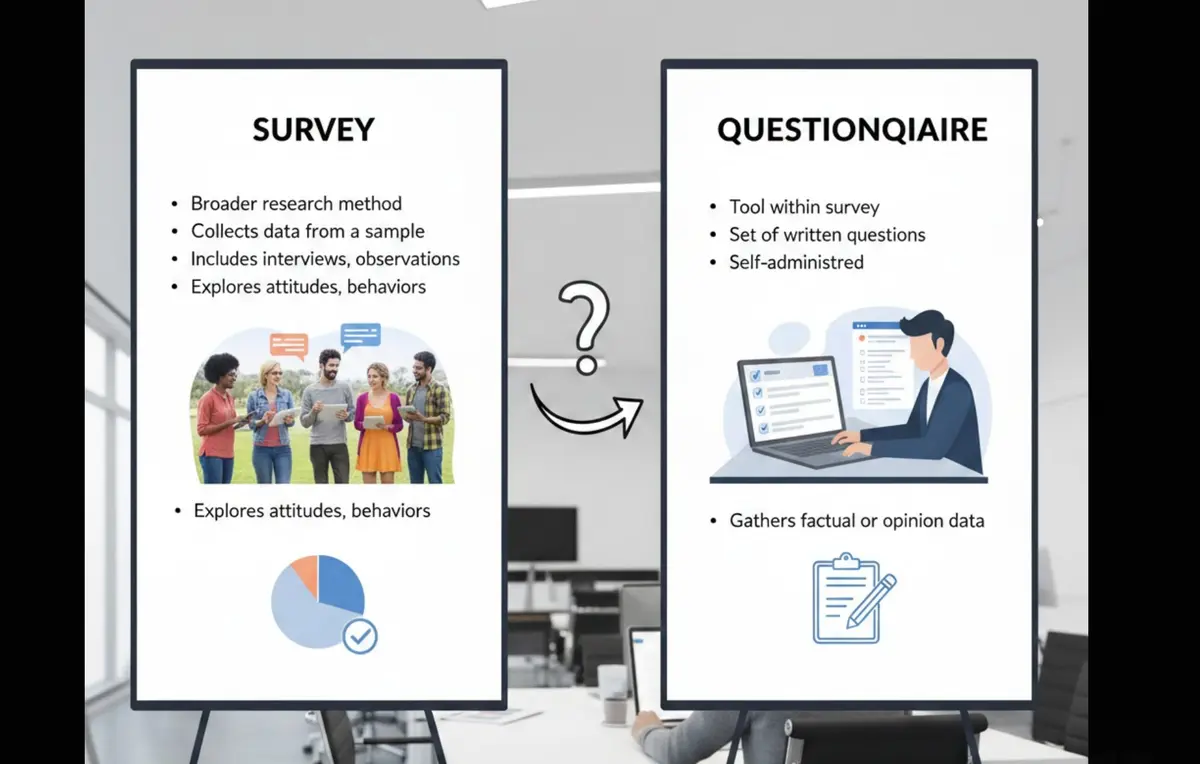
A comparison chart on two posters differentiating "Survey" as a broad research method from "Questionnaire" as a self-administered tool within a survey.
Tips

Survey vs. Questionnaire: What’s the Difference?

Survey vs questionnaire: understand the key differences, use cases, and decision framework to choose the right approach for research, customer feedback, or internal workflows.
December 5, 2025
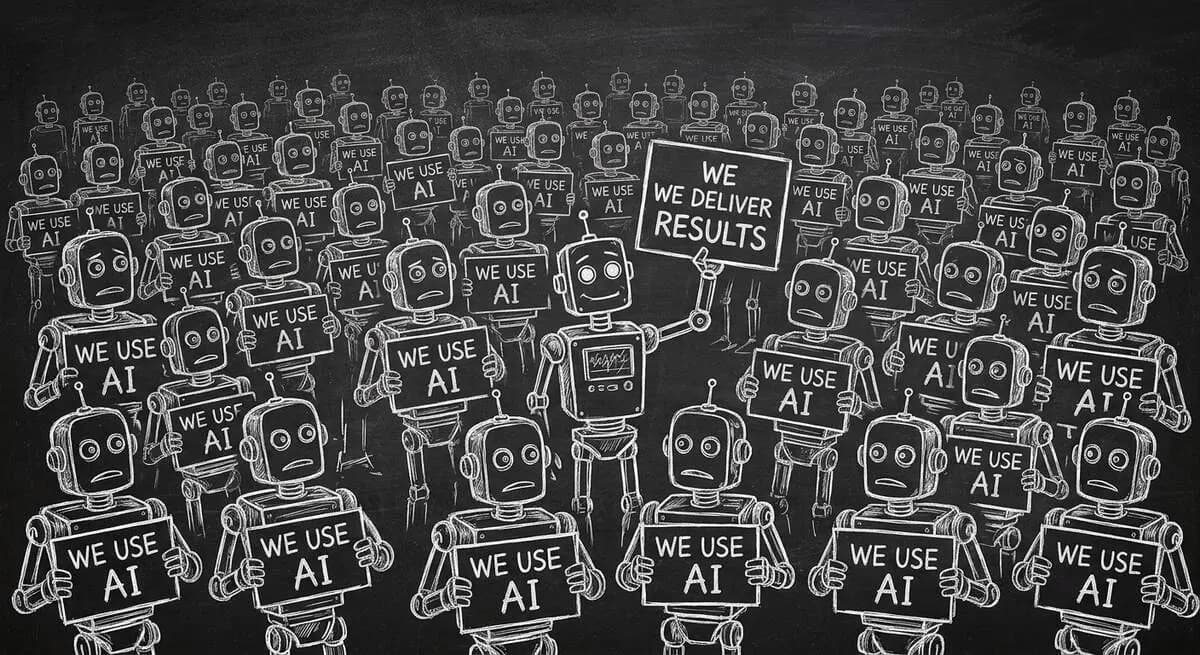
Crowd of identical robots holding We Use AI signs with one standing out by holding We Deliver Results
ArticleTips

'We Use AI' Is No Longer a Differentiator: What B2B Agencies Can Sell Instead

Five proposed agency services to evaluate beyond a generic AI pitch: technical readiness audits, intake forms, attribution, specialization, and supported agent workflows.

April 8, 2026
Read more articles →
Ready to create your own quiz?
Generate engaging, AI-powered quizzes tailored to your brand and audience.
Generate quiz with AIBrowse all quizzes