


Ten comics-focused questions revisit character identities, fictional metals, cosmic villains, and creators. "What is the civilian name of the original Spider-Man who debuted in Amazing Fantasy?" distinguishes Peter Parker from other Spider-People; the shield question uses comic continuity rather than its film adaptation. A closing card such as "Explore Comic Creators" is drawn at random, without scoring your answers. Treat this as informal trivia practice, then use the FAQ explanations to check facts and choose something to read.
One of the listed results is selected at random. Your answers are not scored or used to choose the result.
Create engaging quizzes tailored to your brand. Our AI-powered quiz generator helps you build personalized assessments that capture attention and drive engagement.


Discover what your quiz results might reveal
This random reading suggestion focuses on collaboration. Look at how a writer and artist shape dialogue, pacing, and page composition together. Compare the credits on a Spider-Man story with a Fantastic Four story, and distinguish fictional inventors from real creators. The card does not rank your knowledge or award a score.
This randomly chosen card invites you to explore cosmic Marvel stories. Follow the role of Thanos or Galactus in one collected storyline, noting their different motives and powers. Keep comic continuity separate from film adaptations when checking details. This is a reading idea for any participant, not evidence that your answers were correct.
This random suggestion is to compare heroes who share a name. Read about Peter Parker and Miles Morales, or the different people who have carried the Black Panther identity. Notice how a precise question must specify a character or era. Receiving this card does not label you a beginner or establish what you already know.
This randomly drawn card offers a simple reading approach: choose a character whose story interests you and find a collected volume with a clear starting point. A librarian or comic shop can help identify an edition. You do not need to know every crossover before enjoying a story, and the card makes no judgment about your experience.
Explore more quizzes in this category

Explore fictional character roles through questions about dates, games, friendship, stress, and story preferences. The question "What’s your role in a group project?" contrasts leading, helping, coordinating, and minimal participation. Possible Endings include "Alpha - Natural Leader", "Beta - Reliable Sidekick", "Omega - Gentle Soul", and "Gamma - The Unpredictable". One is displayed at random without using your answers. These fanfiction archetypes are creative prompts, not a gender diagnosis, biological classification, or guaranteed personality match.

Try puzzles such as "You're running a race and you pass the person in second place. What place are you in now?" and English wordplay before reflecting on learning habits. "Sharp as a Tack!" is randomly selected, not an intelligence score or a count of correct answers. The collection mixes a sheep-counting puzzle, Australian geography, a pill-timing riddle, and preferences about solving problems. Check the exact wording before comparing your reasoning with the FAQ explanations. Knowing a fact or missing a trick does not establish intelligence, and correct answers do not steer the selected Ending.

Compare reported American English usage with "What do you call a sweetened carbonated beverage?" and pronunciation questions. "Californian Accent" is a random regional label, not audio analysis or a reliable identification of your accent. Options compare terms for sandwiches, drinking fountains, glowing insects, and circular intersections, alongside pronunciation spellings for car and pecan. Regional vocabulary overlaps, and people may mix usages. No recording is collected, no phonetic score is calculated, and the four regional Endings are not assigned from your responses.

Revisit ten school-topic questions about planets, multiplication, plants, matter, grammar, and geography. "What is the largest planet in our solar system?" starts the round; later prompts ask about water and the US capital. The final card, such as "Explore a Science Topic", is a randomly chosen study suggestion, not a grade based on your answers. This informal practice does not compare your intelligence with a child or certify a school level. Use the answer guide below to review facts yourself.

Thirteen choices about food, music, clothes, activities, and gifts make up this BTS fan game. "Pick a food." introduces your own tastes, without guessing those of the artists. The Ending "RM-Inspired Fan Profile" is one of eight fictional fan themes selected at random. Member names provide a fandom theme, not evidence of private dating preferences. Your answers do not generate compatibility points or select a matching member.

Twelve questions invite you to choose traditions you would like to learn about, from writing to music and architecture. "Which traditional clothing would you like to learn more about?" offers examples such as kimono and áo dài. The Ending "Explore Japan" suggests further learning; it does not identify your nationality or that of anyone pictured. Images are decorative. The final cultural theme is selected randomly, without calculating affinity with a country from your answers.
Tips, guides, and insights on quizzes and lead generation
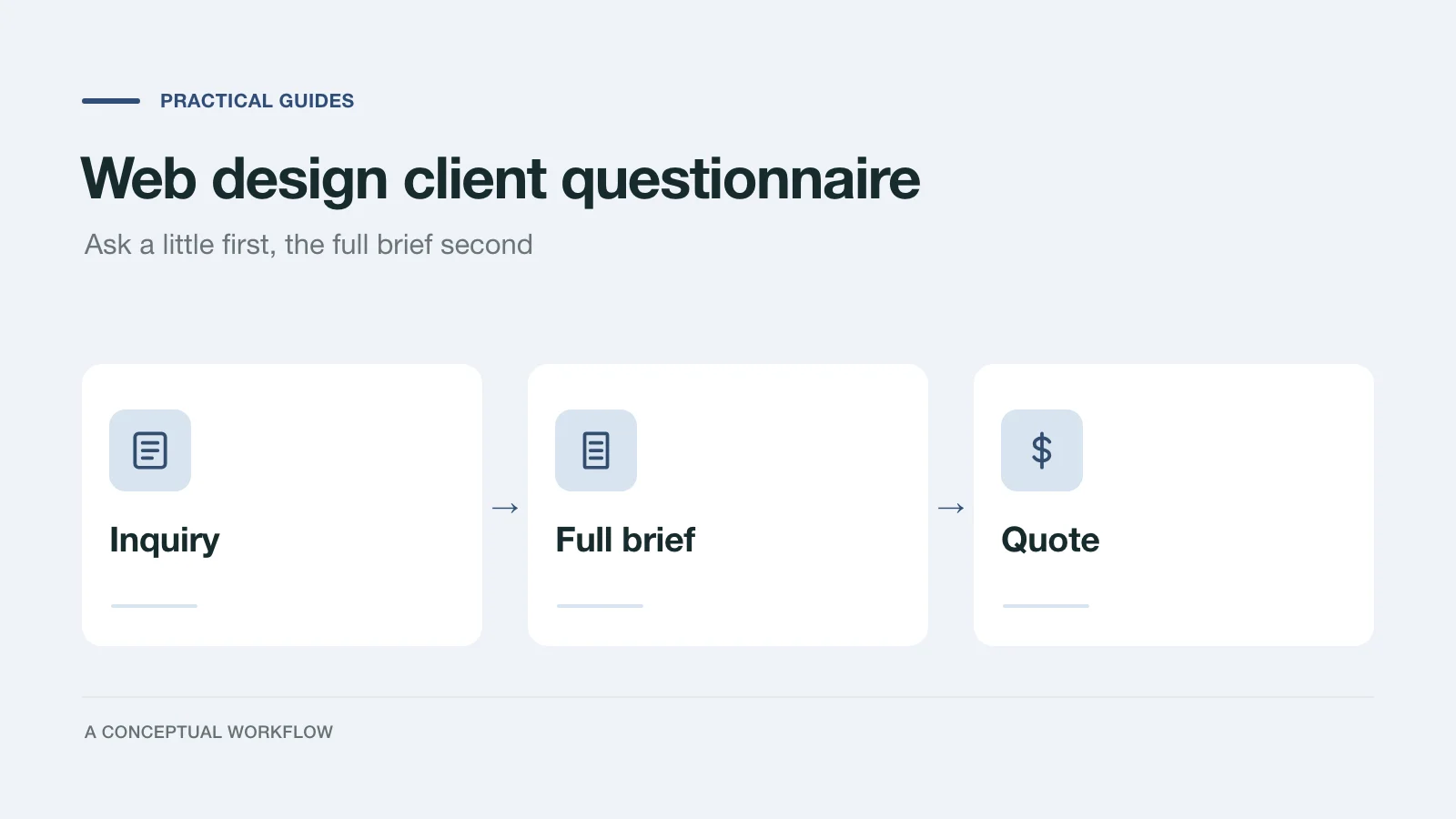
A web design client questionnaire in two stages: a short inquiry form to qualify the project, then the full brief that lets you quote it. Every question explained.
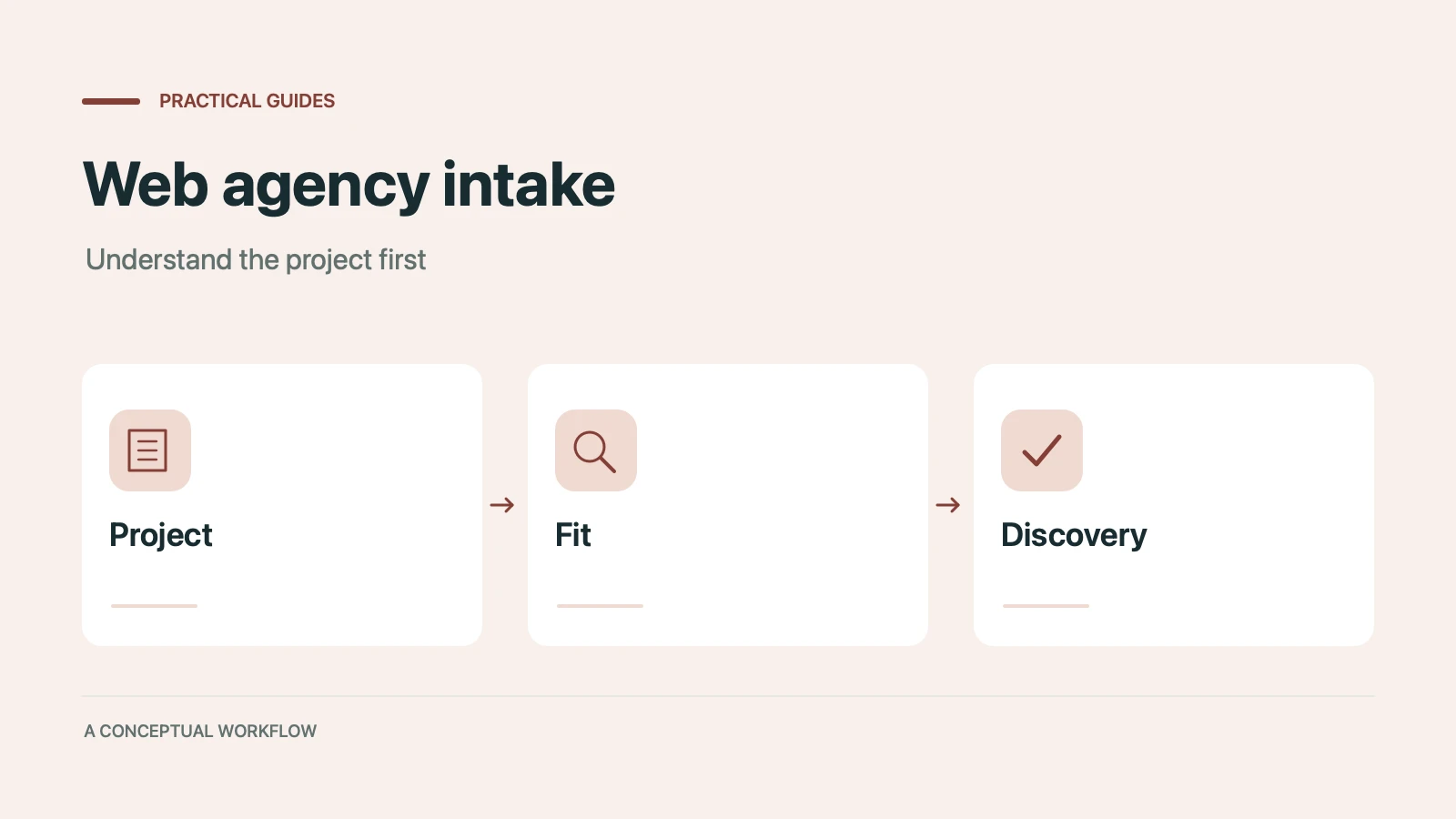
An illustrative walkthrough of a web development agency replacing its contact form with an AI-scored intake assessment: the questions, the three-tier routing, and what to measure so fewer hours go into proposals that never close.
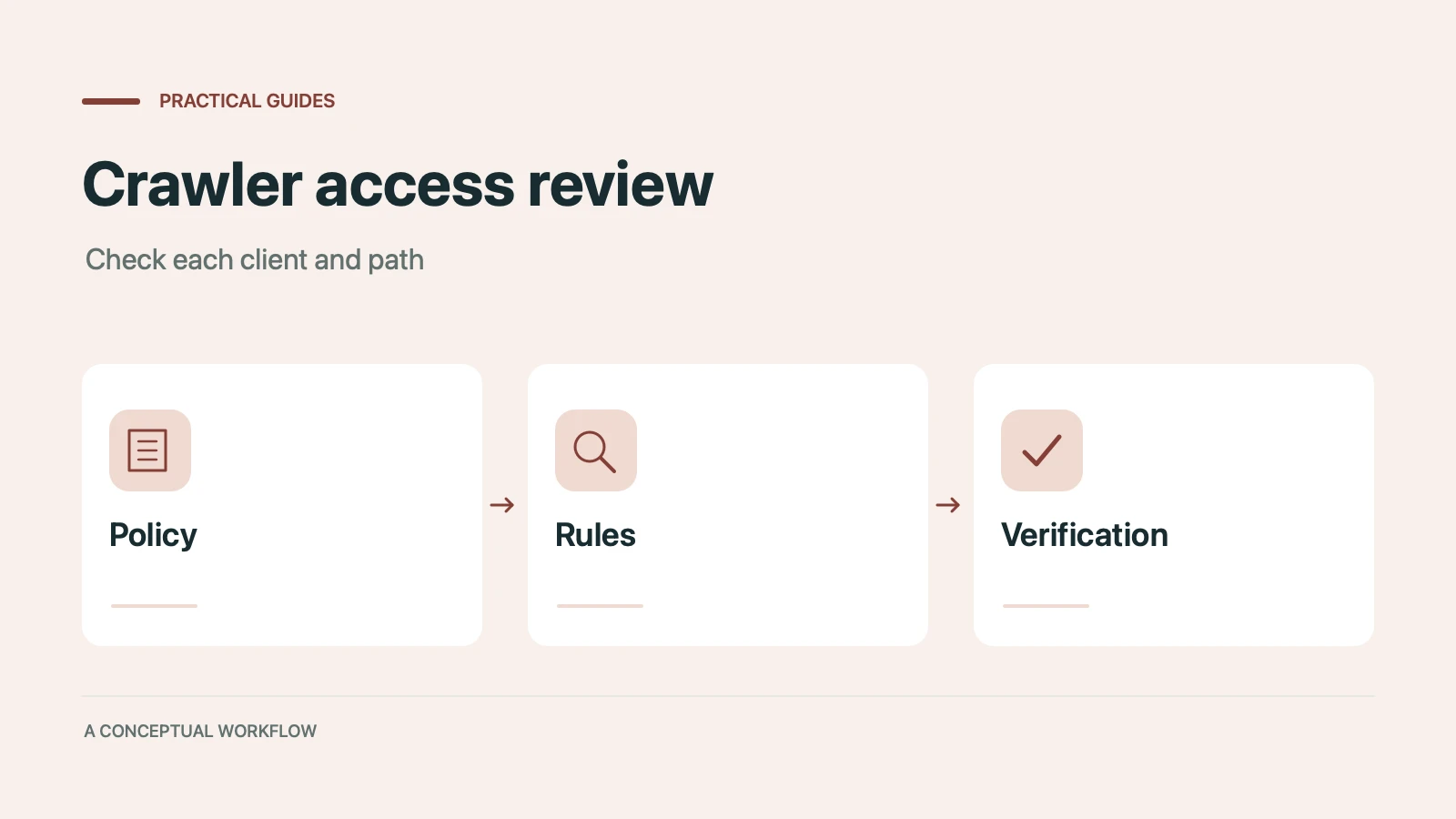
Many websites block AI crawlers without knowing it. Which 12 AI bots visit your site, how to check your robots.txt, and copy-paste fixes to become visible to ChatGPT, Claude, and Gemini.
