


Reflect on listening, emotional reactions and practical support through nine everyday situations. "A friend repeatedly vents about a relationship. How do you respond?" asks about repeated venting, while other prompts cover grief in a film and a distressed stranger. Five examples include "Practical Support". The player chooses one randomly without using your answers; it does not measure empathy or reveal what other people feel around you.
One of the listed results is selected at random. Your answers are not scored or used to choose the result.
Create engaging quizzes tailored to your brand. Our AI-powered quiz generator helps you build personalized assessments that capture attention and drive engagement.
Discover what your quiz results might reveal

This random example explores strong feelings while listening. Emotional intensity does not prove understanding or create a duty to absorb distress. Ask what support is wanted and notice when rest would help. The example does not establish that others feel understood by you.

This random example explores pausing, asking questions and checking interpretations. Listening can include admitting you do not know what someone feels. Ask whether they want to say more before explaining. Your answers did not select this profile or certify emotional skill.

This random example explores concrete help alongside conversation. A useful offer names an action and leaves room to decline. Ask whether help or listening is wanted before proposing solutions. The sample does not establish your motives, reliability or the effect of your care.

This random example explores attention across relationships, energy and safety. Not approaching a stranger or taking a break from venting does not prove low empathy. Consider a respectful boundary that communicates what you can offer. The result is unrelated to your answers and does not rank compassion.

This random example invites attention to words, tone and direct questions about feelings. Quiet or analytical reactions have many possible meanings. Try one open question and check rather than assume the answer. The sample is not a diagnosis or a finding about your connections.
Explore more quizzes in this category

Reflect on honesty, helping, and accountability through "How do you respond when you realize you've made a mistake?". "Good Person" is one of four randomly selected reflection labels, not a verdict on your character. The scenarios cover returning a lost wallet, responding to bullying, and taking responsibility for mistakes. Use the choices to think about particular actions you could change or repair. Answers do not earn moral points or decide which Ending is selected, and one response cannot summarize a person's character.

Clothes, hobbies, and self-description appear alongside "Which statement best describes you?". The four randomly chosen labels include "Boy"; neither the selection nor your tastes establish gender. You choose between clothing styles, favorite creatures, activities with friends, and ways of describing yourself. These preferences can be conversation starters, but there is no boy-versus-girl score. A result does not override your own words, and you can explore your identity without settling on a label.

Explore fursonas, anthropomorphic art, and community interest through "Have you ever created or imagined an animal character that represents you?". "Furry-Curious Explorer" is one of four random fandom labels; identifying as a furry remains your choice. Choices explore animal characters, roleplay, conventions, and whether you already use the word furry. Interest in a character or artwork does not automatically imply community membership. You do not need a fursuit, a fursona, or an event ticket to explore the fandom, and answers do not determine the Ending.

Consider late-night support, cancellations, confidentiality, and a friend’s success across eight scenarios. "Think about your closest friendship. When did you last reach out with no reason — just to say you were thinking of them?" explores contact without an occasion. A reflection such as "The Anchor Friend" is displayed randomly, independently of choices. These examples describe possible habits without assessing your character or revealing what a friend thinks.

Notice what happens while a friend vents, someone gives directions, or a conversation turns emotional. Eight scenarios include "Someone shares a strong opinion you disagree with. While they're still mid-sentence, you:" and a colleague’s personal update. Possible Endings such as "Selective Listener" illustrate attention habits, but the player displays one randomly, independently of your answers. Use the questions themselves to reflect on interruptions, clarification, and follow-up; the sample result does not measure listening skill.

Questions about goals, setbacks, and rest include "How do you handle failure?". "Work in Progress" is one of four randomly selected labels; productivity does not determine your worth. The choices contrast detailed plans, flexible goals, responses to criticism, and different ways of spending free time. Treat them as prompts to consider your circumstances and support needs. Rest is not failure, and achievements do not establish human value; the answers neither rank you nor predict future success.
Tips, guides, and insights on quizzes and lead generation
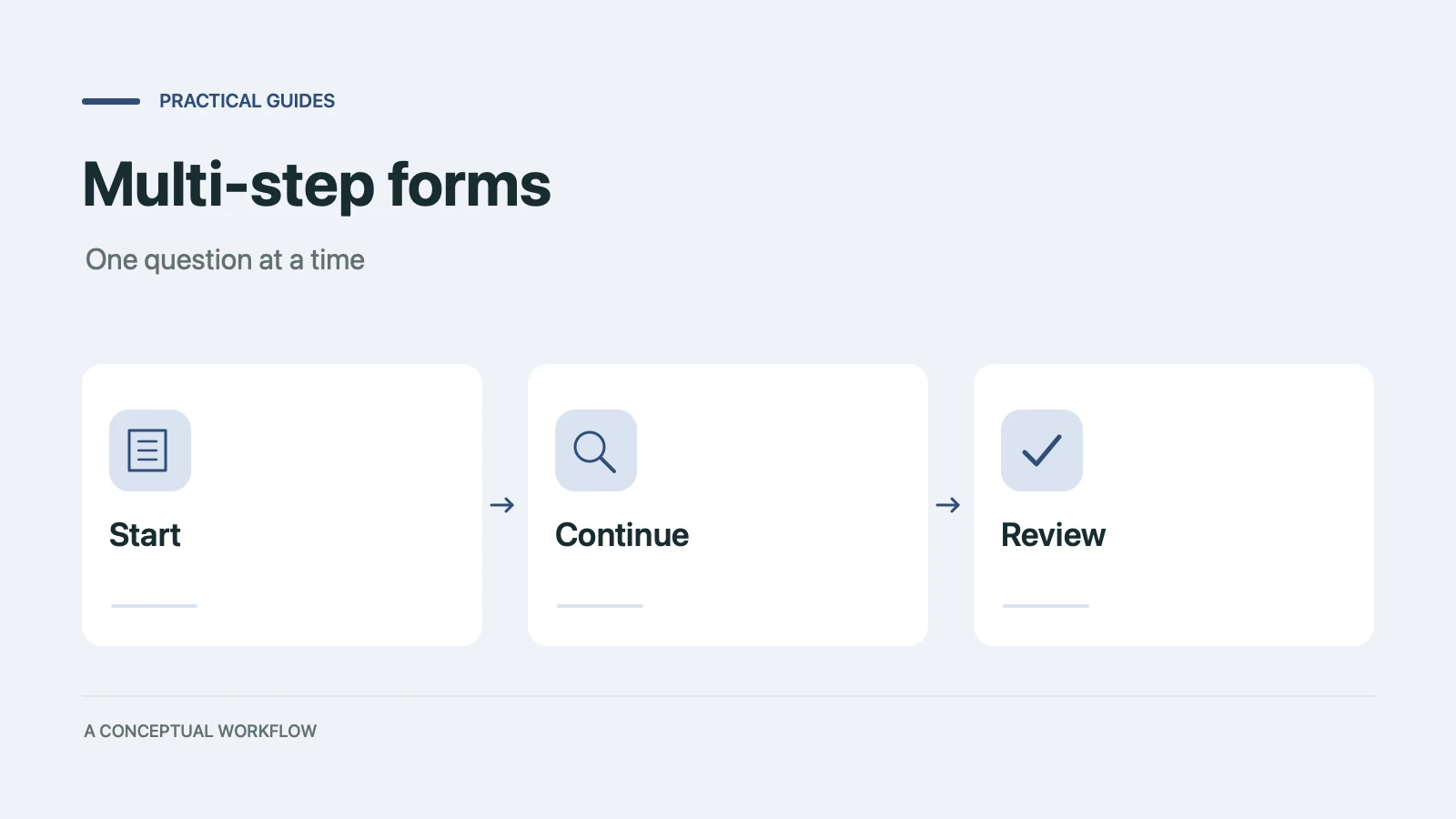
When splitting a long form into steps helps conversion and when it doesn't, the research and psychology behind it, and a step-by-step playbook to build one in any form builder.
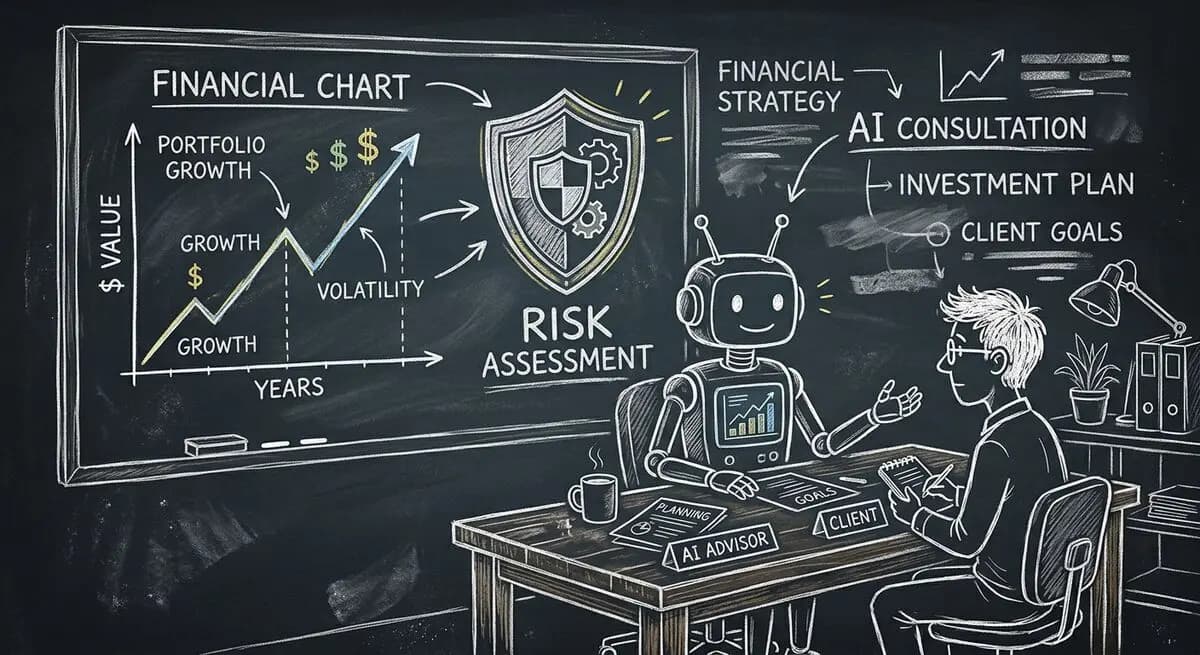
A proposed financial advisory intake workflow using Dashform and a separately configured OpenClaw agent, with advisor review and explicit integration boundaries.
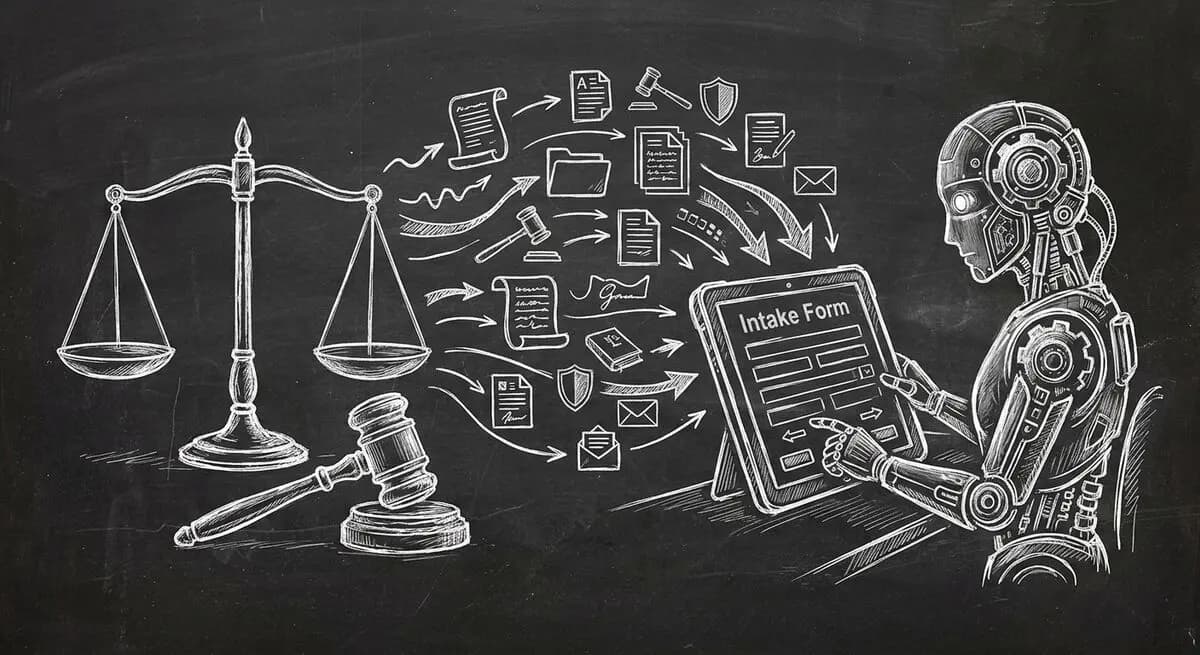
How solo and mid-size firms can use OpenClaw and Dashform to qualify case intake around the clock, so attorneys spend consultations on viable cases. Step-by-step setup.
