


Thirteen questions explore makeup coverage, finish, colors, and routine, including "What is your preferred foundation coverage?". After completion, one of four looks is selected randomly, such as "Natural Look" or "Edgy Look". The questions can clarify your preferences, but they do not analyze a face or choose the displayed look from your answers.
One of the listed results is selected at random. Your answers are not scored or used to choose the result.
Create engaging quizzes tailored to your brand. Our AI-powered quiz generator helps you build personalized assessments that capture attention and drive engagement.


Discover what your quiz results might reveal

A subtle, fresh-faced appearance that enhances your natural features without making you look overly made-up.

A bold and dramatic style perfect for special occasions, featuring striking eyeshadow and bold lips.

Timeless and elegant, this style focuses on balanced features, with neutral tones and clean lines.

A modern and daring choice, often featuring bold colors, sharp lines, and an expressive flair.
Explore more quizzes in this category

Consider styling through "What's your approach to makeup?" and questions about accessories and outfits. "K-Beauty Icon" is randomly chosen, not a Korean beauty assessment; despite the title, no photo is analyzed. The form asks you to describe hair, eye color, outfits, and preferred finishing touches, rather than upload an image. Its four titles suggest styling themes without representing what Korean people find attractive. Responses do not measure facial features, rank skin tones or bodies, or determine whether you meet a national beauty standard.

Explore descriptions of features and self-image with "Do you think you’re good-looking?". "Pretty" is a playful random Ending; this text quiz cannot inspect your looks or determine how others see you. Choices cover eyes, hair, face shape, compliments, personal care, and how you enter social settings. The four result themes are descriptive words rather than a ranked beauty scale. There is no photo upload or answer-based appearance analysis, and your confidence or someone else's compliments cannot establish an objective beauty score.

Compare ten wardrobe choices involving brunch outfits, color palettes, accessories, shoes, and bags. The Ending “Minimalist Chic” is one of four style mood boards to consider. Use the options to articulate what you enjoy wearing rather than treating a category as a permanent identity.

Compare midday oiliness, post-cleansing tightness, weather reactions, and routine priorities. The question "Which skin concern bothers you the most right now?" separates several skin concerns; "Oily Skin Profile" is one of the general care examples. The displayed example is randomly selected without using your answers. It cannot identify your skin type, diagnose a condition, or prescribe products.

Twelve questions compare desired change, favorite palettes, undertone uncertainty, maintenance, and current hair treatments. “Warm Honey Blonde” is one of three color ideas. The page offers inspiration to discuss with a colorist, not a personalized guarantee that a dye will suit or protect your hair.

Ten questions examine mirror thoughts, compliments, grooming, comparison, photos, and confidence. “Radiantly Confident” is a self-image reflection theme. This page does not view a photo or rate attractiveness; it gives language for noticing how you talk to yourself about appearance.
Tips, guides, and insights on quizzes and lead generation
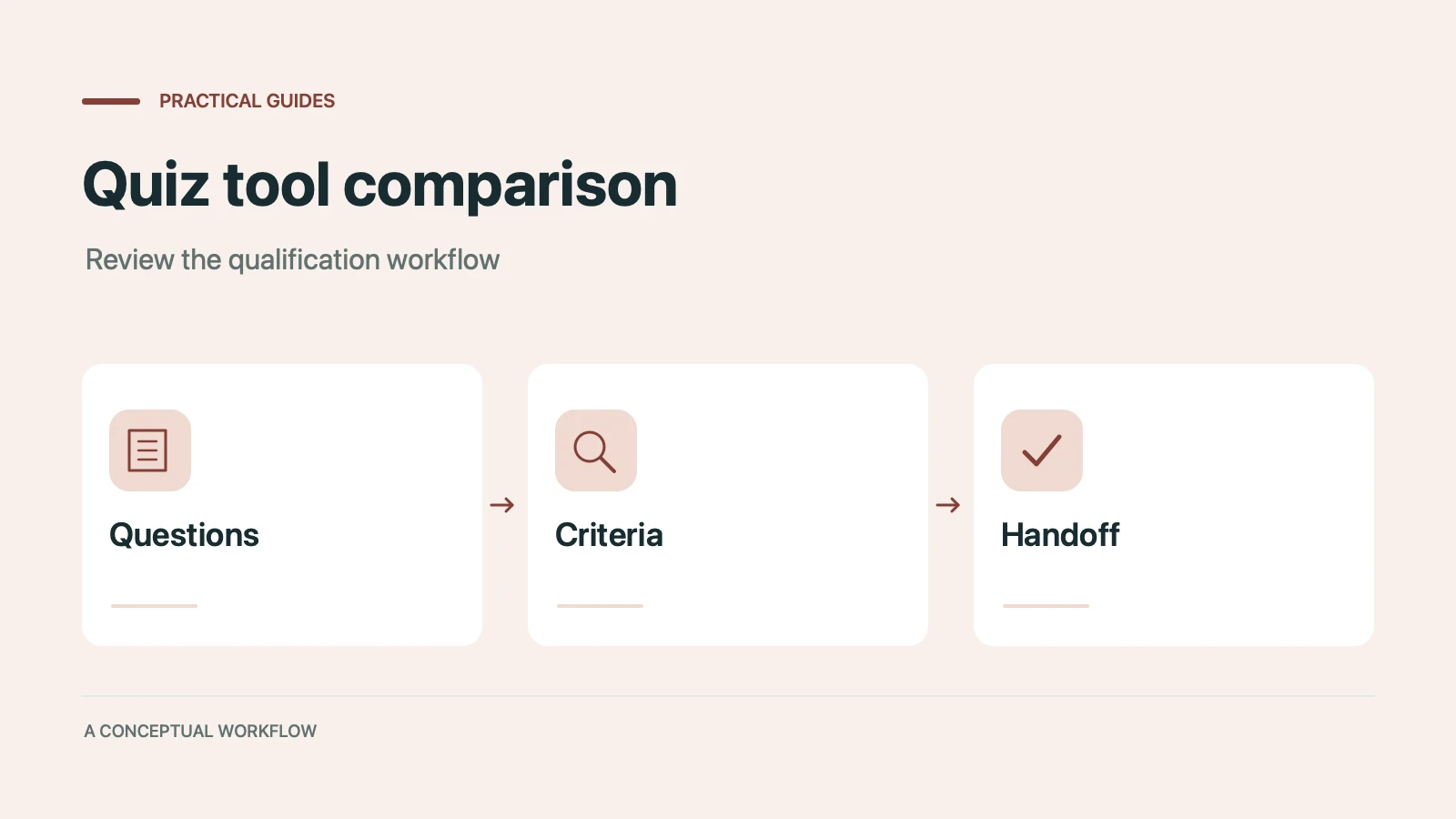
Dashform and LeadQuizzes side by side: templates, AI generation, white-label, lead scoring, and pricing, and which fits marketers and small businesses.

Design agencies often struggle with unqualified leads and time-consuming discovery calls. This article explores how structured intake forms and assessments help agencies qualify clients earlier, streamline workflows, and win better-fit projects.

Stop spending hours on unqualified discovery calls. AI intake forms qualify fitness clients on goals, budget, and commitment before they book.
