


Ten questions examine mirror thoughts, compliments, grooming, comparison, photos, and confidence. “Radiantly Confident” is a self-image reflection theme. This page does not view a photo or rate attractiveness; it gives language for noticing how you talk to yourself about appearance.
One of the listed results is selected at random. Your answers are not scored or used to choose the result.
Create engaging quizzes tailored to your brand. Our AI-powered quiz generator helps you build personalized assessments that capture attention and drive engagement.






Discover what your quiz results might reveal

Notice a moment when you felt comfortable being yourself. Confidence need not depend on someone approving your appearance.

Try describing a quality you value beyond looks. Small acts of self-kindness can be worth practicing without a beauty score.

Your appearance does not need to pass a quiz. Choose a routine that feels caring rather than one driven by comparison.

Make room for activities and people that help you feel accepted. A difficult day with self-image does not reduce your worth.
Explore more quizzes in this category

Consider styling through "What's your approach to makeup?" and questions about accessories and outfits. "K-Beauty Icon" is randomly chosen, not a Korean beauty assessment; despite the title, no photo is analyzed. The form asks you to describe hair, eye color, outfits, and preferred finishing touches, rather than upload an image. Its four titles suggest styling themes without representing what Korean people find attractive. Responses do not measure facial features, rank skin tones or bodies, or determine whether you meet a national beauty standard.

Explore descriptions of features and self-image with "Do you think you’re good-looking?". "Pretty" is a playful random Ending; this text quiz cannot inspect your looks or determine how others see you. Choices cover eyes, hair, face shape, compliments, personal care, and how you enter social settings. The four result themes are descriptive words rather than a ranked beauty scale. There is no photo upload or answer-based appearance analysis, and your confidence or someone else's compliments cannot establish an objective beauty score.

Compare ten wardrobe choices involving brunch outfits, color palettes, accessories, shoes, and bags. The Ending “Minimalist Chic” is one of four style mood boards to consider. Use the options to articulate what you enjoy wearing rather than treating a category as a permanent identity.

Compare midday oiliness, post-cleansing tightness, weather reactions, and routine priorities. The question "Which skin concern bothers you the most right now?" separates several skin concerns; "Oily Skin Profile" is one of the general care examples. The displayed example is randomly selected without using your answers. It cannot identify your skin type, diagnose a condition, or prescribe products.

Twelve questions compare desired change, favorite palettes, undertone uncertainty, maintenance, and current hair treatments. “Warm Honey Blonde” is one of three color ideas. The page offers inspiration to discuss with a colorist, not a personalized guarantee that a dye will suit or protect your hair.

Thirteen questions cover clothing, makeup, skincare, and accessories, from midi skirts to mascara. One of four titles, such as "Fashion Expert", is selected randomly after completion; answers are not scored or used to choose it. Anyone can try the item vocabulary, and the title does not establish gender or expertise.
Tips, guides, and insights on quizzes and lead generation
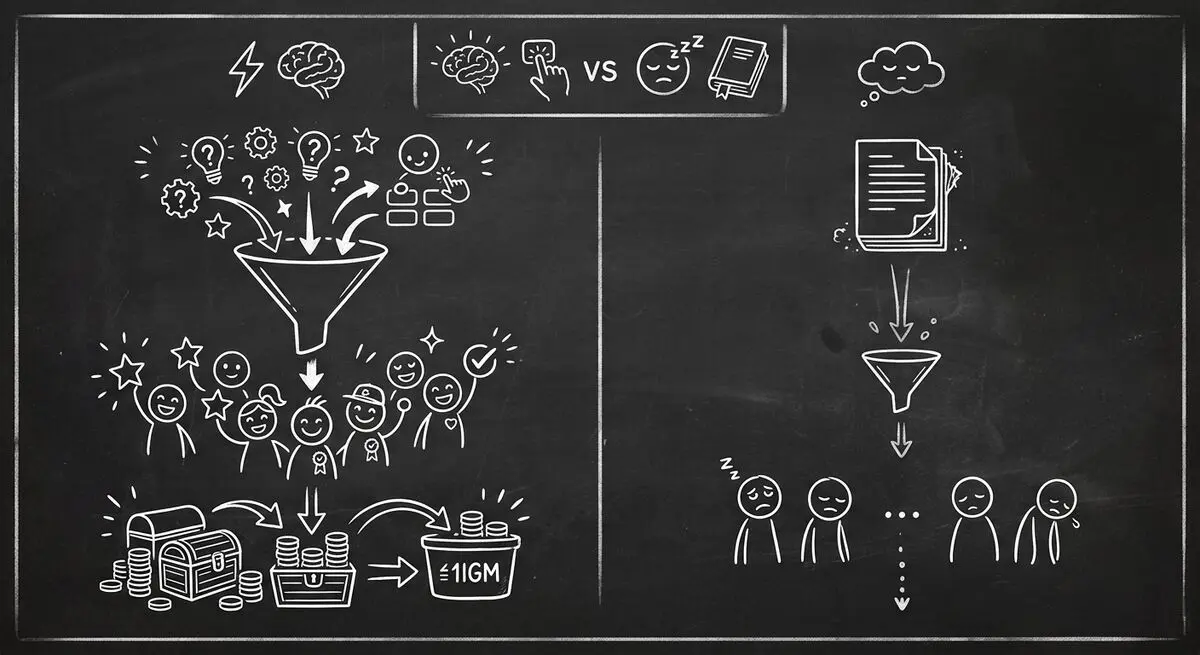
Compare quiz funnels and downloadable resources, interpret platform-specific conversion data, and design a test using your own audience.

Map an existing ScoreApp assessment into a Dashform intake workflow, with a copyable brief, scoring worksheet, test cases, and clear migration limits.
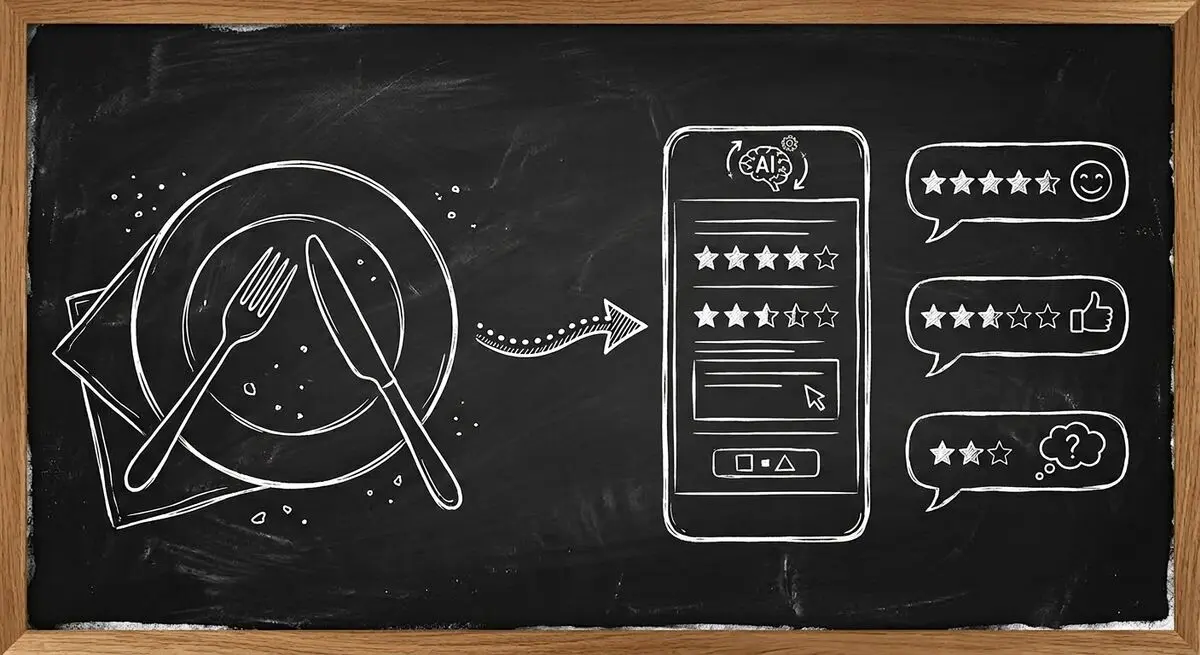
How restaurants use AI-powered feedback forms to capture customer sentiment in real time, resolve problems before they become public reviews, and bring guests back. A complete setup guide with QR code strategy.
