
IntegrationsAX AuditNewPricingBlogSupport
Dashform
DashformDashform

© 2026 Dashform

Forms your customers recognize and AI agents can book.

InstagramYouTubeX
Product
  • AI Tools
  • Templates
  • Pricing
  • Dashform CLI for Agents
  • What is Dashform
  • AI Info
  • AX Audit New
  • Affiliate
Solutions
  • Coaches & Consultants
  • Agencies
  • Wellness & Local Services
  • Trades & Home Services
  • Real Estate
  • Legal, Finance & Accounting
Use Cases
  • Assessment/Quiz
  • Waitlists
  • Survey
  • Webinars
  • Feedback/NPS
  • Appointment Booking
  • Client Onboarding
  • Lead Qualification
  • Product Recommendation
Compare
  • Typeform alternative
  • Tally alternative
  • Google Forms alternative
  • Jotform alternative
  • GoHighLevel alternative
  • involve.me alternative
  • LeadQuizzes alternative
Company
  • Blog
  • Docs
  • Privacy Policy
  • Terms of Service
Get Started Free
Categories/Career & Work

What's My Productivity Style? 2026

What's My Productivity Style?

Nine work scenarios invite you to consider planning, deadlines, interruptions, and collaboration. "When you finish a task, what happens next?" contrasts a schedule, momentum, rest, and revisiting priorities. Five illustrative work styles include "The Architect". The player draws one independently of your choices; no work is observed or productivity measured. Use the habits as options to test against a real task.

Dashform team markPublished by Dashform Team, Product education·Last reviewed February 20, 2026
9 Questions
Take quiz

Ready? Let's Find Out.

One of the listed results is selected at random. Your answers are not scored or used to choose the result.

Guided QuestionsPossible Results~2 min

Make your own quiz with AI

Create engaging quizzes tailored to your brand. Our AI-powered quiz generator helps you build personalized assessments that capture attention and drive engagement.

Try Free AI Quiz Generator

Quiz transcript

It's Monday morning. You have a full week of tasks ahead. What's the first thing you do?
1

It's Monday morning. You have a full week of tasks ahead. What's the first thing you do?

Open my planner and map out every day in time blocks
Jot down three big goals for the week and figure out the rest as I go
Scan my email and tackle whatever feels most urgent first
Sit quietly, let the week's priorities surface, then start only when I feel ready
A major project is due in two weeks. When does most of your real work happen?
2

A major project is due in two weeks. When does most of your real work happen?

Steadily from day one — I hate last-minute pressure
In a big push during the final three to four days, when the deadline feels real
In bursts scattered throughout, whenever a good idea pulls me in
I identify the two or three things that truly matter and execute those first
Which description fits your typical workspace?
3

Which description fits your typical workspace?

Clean desk, labeled folders, nothing out of place
Controlled chaos — stuff everywhere, but I know exactly where it all is
Minimal and distraction-free, with good lighting and one or two meaningful objects
A flexible, rearrangeable spot I adapt to whatever I'm working on that day
A colleague asks you to take on an extra task mid-week. What do you actually do?
4

A colleague asks you to take on an extra task mid-week. What do you actually do?

Check whether it fits my schedule before committing, then slot it in formally
Say yes immediately — I'll figure out how to absorb it later
Ask what the deadline pressure really is, then negotiate scope before agreeing
Agree only if it connects to people or a problem worth solving together
Which tool do you actually use consistently — not just the one you wish you used?
5

Which tool do you actually use consistently — not just the one you wish you used?

A detailed project management app with everything mapped out in advance
A timer or focus app; I work in timed sprints and track my sessions
A simple sticky note or short list — anything more structured becomes noise
A calendar for meetings and a mental model for everything else
When you finish a task, what happens next?
6

When you finish a task, what happens next?

I check it off and immediately move to the next scheduled item
I ride the momentum and knock out two or three more things back to back
I take a real break — output costs energy, and I need to recover before going again
I reassess what's actually most important before touching anything new
What's most likely to derail your productivity on a given day?
7

What's most likely to derail your productivity on a given day?

Interruptions that shatter a carefully planned schedule
No external deadline or pressure — I struggle to self-start without one
Long stretches of repetitive tasks with no variety or creative challenge
Feeling cut off from people; isolation kills my energy and output
How do you feel about working with a fixed daily schedule?
8

How do you feel about working with a fixed daily schedule?

Essential — I build one every week and guard it aggressively
Useful as a loose frame, but I override it whenever inspiration hits
Fine for meetings, but I leave big unstructured blocks for focused work
Too rigid; I'd rather respond to what the day actually needs
At the end of a genuinely productive day, what does that look like for you?
9

At the end of a genuinely productive day, what does that look like for you?

Every item on my list is checked off and tomorrow's plan is already drafted
I hit the one or two things that really mattered, even if the list isn't empty
I made deep progress on something complex or creative — I was fully absorbed
I helped people move forward, unblocked someone, or built something together

Possible Results

Discover what your quiz results might reveal
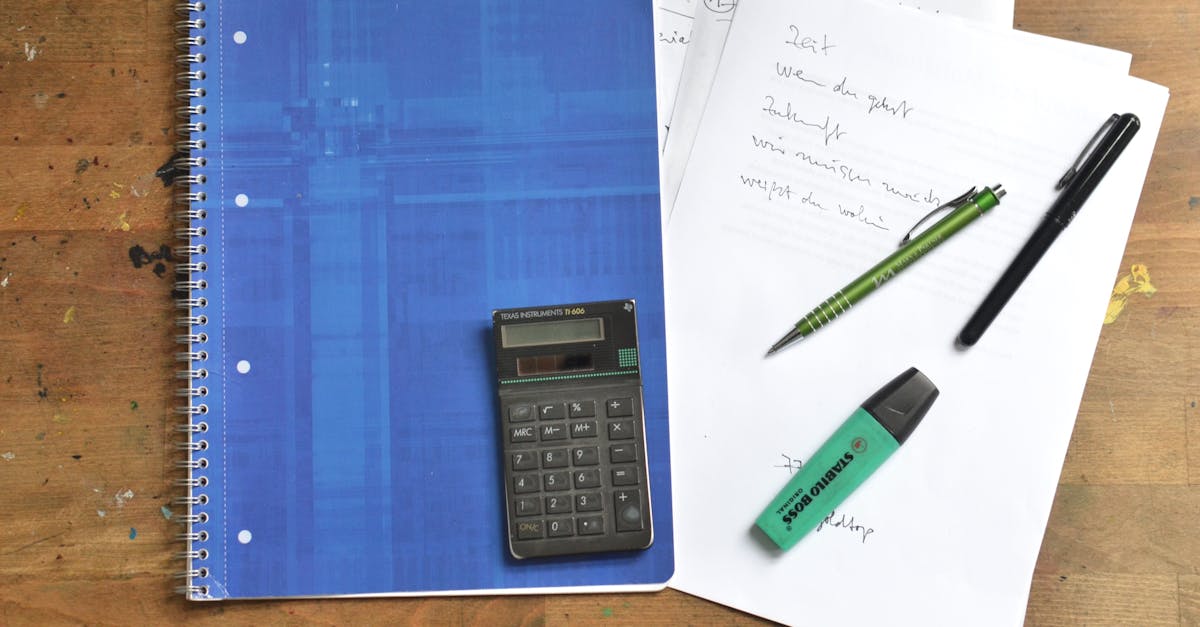
The Architect

The Architect

This randomly offered work-style example emphasizes planning before action. A calendar and protected work blocks may support a planned approach. Try a short weekly review so new priorities can change the plan instead of silently competing with it. Planning is useful when it supports action and leaves room for interruptions.

The Sprinter

The Sprinter

This randomly drawn example explores motivation around deadlines. Deadline motivation does not prove that delaying work improves its quality. Try setting smaller deadlines during a project and sharing early progress with collaborators, then allowing recovery after an intense session. This can preserve the momentum you enjoy without making the final rush everyone else’s problem.

The Flow Chaser

The Flow Chaser

This sample work portrait focuses on absorbed creative effort, without evaluating your concentration. Repetition may feel less engaging, while a new angle can help you get started. Protect a suitable focus period and keep a simple place to record ideas between sessions. Routine obligations still need a place in your schedule even when they do not produce the same sense of absorption.

The Pragmatist

The Pragmatist

This illustrative productivity style prioritizes consequential tasks; it was selected by chance. Keep that priority judgment visible by separating essential work from optional improvements each week. Check who depends on the items you postpone: a task that looks minor to you may unblock somebody else. A short list can support your judgment without becoming another elaborate system.

The Connector

The Connector

This random work-style example uses conversation to clarify tasks. Collaboration may prepare you for independent work rather than replace it. Try arranging a useful team conversation before a solo focus block, and make the handoff between them clear. Protect colleagues’ concentration too, so getting input does not become a constant interruption.

Related tool

More career and work quizzes →

Browse quizzes about careers and working habits.

FAQ

Similar quizzes

Explore more quizzes in this category

Am I a Good Leader?

Am I a Good Leader? 2026

Consider nine management situations involving overload, deadlines, disagreement, onboarding, and changing plans. "How do you recognize that someone is ready for more responsibility?" raises the topic of development. Five leadership examples, including "The Empowering Leader", describe possible practices and trade-offs. A random draw selects the closing example; the questions do not assess your ability, team experience, or readiness to lead.

B2C Sales Challenge Quiz

B2C Sales Challenge Quiz 2026

Ten questions review consumer-sales practices across acquisition, pricing, retention, channels, upselling, feedback, seasonality, positioning, digital engagement, and conversion testing. "How do you utilize customer feedback in your sales process?" asks how feedback reaches the sales process. "Sales Starter" is one of four illustrative business scenarios. The displayed Ending is random and independent of answers, so it does not grade your sales operation.

Cashier Test: Are You Ready To Be A Cashier?

Cashier Test: Are You Ready To Be A Cashier? 2026

Practice cash calculations and customer-service decisions through thirteen questions. "How should you greet customers as they come to your register?" places communication alongside change, discounts, and tax. The Ending "Almost Ready" encourages practice without certifying employment readiness. The exercises use US money and do not replace store training. Endings are selected randomly, not calculated from correct answers, so the label is not a cash-handling proficiency grade.

Could I Be A Model?

Could I Be A Model? 2026

Twelve questions open a reflection on cameras, poses, style, travel, and portfolio time. "Which type of modeling work would you most like to try?" centers your interests. The Ending "Explore at Your Own Pace" is a topic to consider, selected randomly alongside three modeling themes. Answers do not determine employability, attractiveness, or agency suitability.

Are You Ready to Be an Entrepreneur?

Are You Ready to Be an Entrepreneur? 2026

Explore business motivation, uncertainty, planning, and customer learning. The question "How would you test a business idea with potential customers?" compares ways to investigate a business idea, while possible profiles include "The Natural Founder". A profile is shown at random and is not assigned from your answers. Use the examples to consider practical experiments rather than predict business success.

What Is Your Leadership Style?

What Is Your Leadership Style? 2026

Consider roadmaps, encouragement, listening, and quick experiments in twelve team scenarios. "When starting a new project, what is your first step?" opens with a project launch; later questions address conflict, delegation, mistakes, and celebration. The possible Endings are "The Strategist", "The Motivator", and "The Supportive Leader". One sample is displayed randomly, without evaluating your answers. Use the scenarios to discuss concrete working preferences, not to determine job suitability or an innate leadership type.

See more quizzes→

Related articles

Tips, guides, and insights on quizzes and lead generation

GoHighLevel alternatives 2026 - AI-native lead qualification comparison
ArticleAlternativeTips

Why Agencies Leave GoHighLevel for an AI-Native Stack

Evaluate Dashform alongside GoHighLevel for lead intake, configured qualification, and CRM handoffs without assuming a complete platform replacement.
February 26, 2026
Ten coaching tools grouped by assessment, intake, booking, and ongoing client work
General

10 Coaching Assessment and Intake Tools Compared

Choose coaching tools by the job: scored assessments, discovery-call intake, booking, or ongoing client work. Includes a practical selection checklist.

February 4, 2026
Professional therapy office with digital intake forms on a tablet
Tips

10 Therapist Intake Form Templates for Private Practice

10 intake form starting points for private practice therapists: new client intake, treatment planning, consent, and feedback.

February 25, 2026
Read more articles →
Ready to create your own quiz?
Generate engaging, AI-powered quizzes tailored to your brand and audience.
Generate quiz with AIBrowse all quizzes