


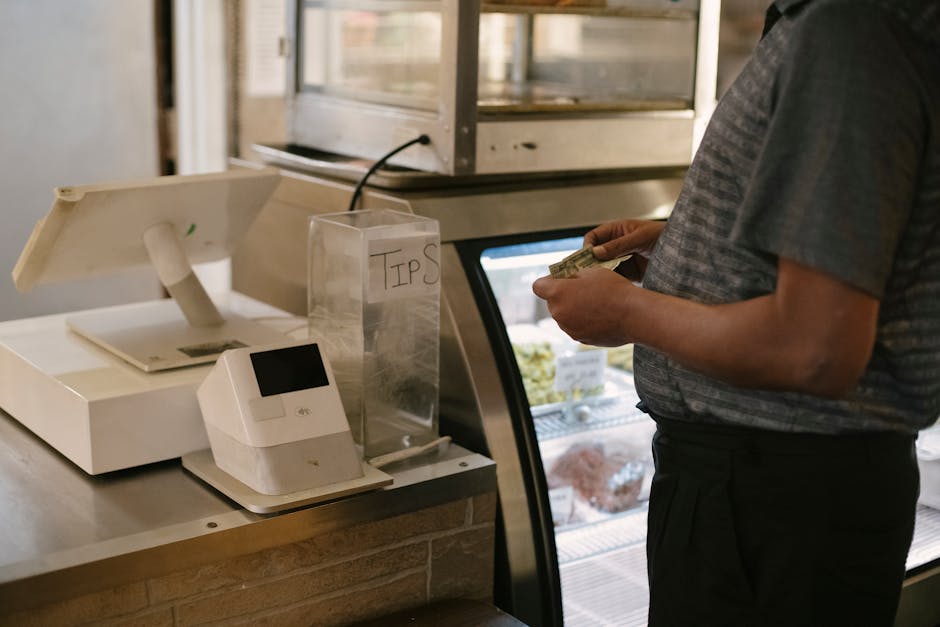
Practice cash calculations and customer-service decisions through thirteen questions. "How should you greet customers as they come to your register?" places communication alongside change, discounts, and tax. The Ending "Almost Ready" encourages practice without certifying employment readiness. The exercises use US money and do not replace store training. Endings are selected randomly, not calculated from correct answers, so the label is not a cash-handling proficiency grade.
One of the listed results is selected at random. Your answers are not scored or used to choose the result.
Create engaging quizzes tailored to your brand. Our AI-powered quiz generator helps you build personalized assessments that capture attention and drive engagement.











Discover what your quiz results might reveal
Use this practice label as encouragement to keep working on cash accuracy and courteous service. It does not certify job readiness; learn your employer's register procedures and ask for help when needed.

Review change, discounts, and tax calculations, then rehearse calm responses to customer concerns. This practice result is not an employer's assessment.

Work through the transactions again and explain each step. For service scenarios, compare your choice with store policy rather than guessing. The label does not measure your ability to learn the job.

Treat this as a prompt for more practice, not a decision about whether you can become a cashier. Ask for training with money handling, register corrections, and customer-service procedures.
Explore more quizzes in this category

Consider nine management situations involving overload, deadlines, disagreement, onboarding, and changing plans. "How do you recognize that someone is ready for more responsibility?" raises the topic of development. Five leadership examples, including "The Empowering Leader", describe possible practices and trade-offs. A random draw selects the closing example; the questions do not assess your ability, team experience, or readiness to lead.

Ten questions review consumer-sales practices across acquisition, pricing, retention, channels, upselling, feedback, seasonality, positioning, digital engagement, and conversion testing. "How do you utilize customer feedback in your sales process?" asks how feedback reaches the sales process. "Sales Starter" is one of four illustrative business scenarios. The displayed Ending is random and independent of answers, so it does not grade your sales operation.

Twelve questions open a reflection on cameras, poses, style, travel, and portfolio time. "Which type of modeling work would you most like to try?" centers your interests. The Ending "Explore at Your Own Pace" is a topic to consider, selected randomly alongside three modeling themes. Answers do not determine employability, attractiveness, or agency suitability.

Explore business motivation, uncertainty, planning, and customer learning. The question "How would you test a business idea with potential customers?" compares ways to investigate a business idea, while possible profiles include "The Natural Founder". A profile is shown at random and is not assigned from your answers. Use the examples to consider practical experiments rather than predict business success.

Consider roadmaps, encouragement, listening, and quick experiments in twelve team scenarios. "When starting a new project, what is your first step?" opens with a project launch; later questions address conflict, delegation, mistakes, and celebration. The possible Endings are "The Strategist", "The Motivator", and "The Supportive Leader". One sample is displayed randomly, without evaluating your answers. Use the scenarios to discuss concrete working preferences, not to determine job suitability or an innate leadership type.

Reflect on discipline, relocation, and time away through thirteen questions, including "How do you handle high-stress situations?". The "Explore Military Service" Ending is one of four selected randomly after answering, not an enlistment recommendation. Use the questions to prepare further research.
Tips, guides, and insights on quizzes and lead generation
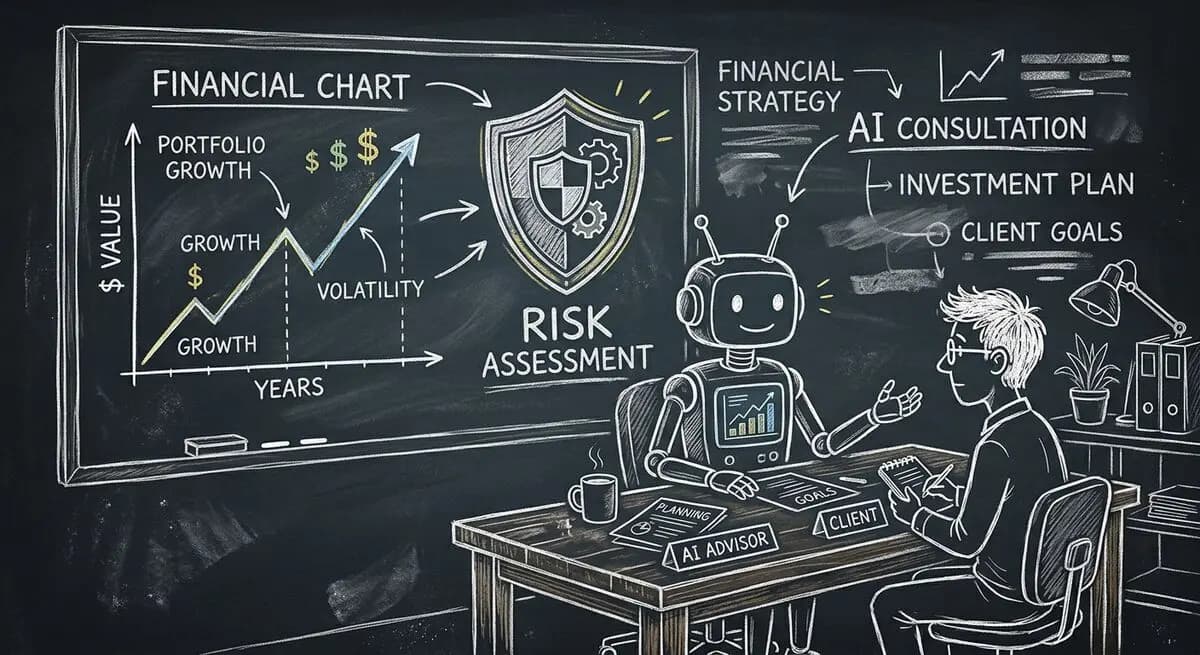
A proposed financial advisory intake workflow using Dashform and a separately configured OpenClaw agent, with advisor review and explicit integration boundaries.

How solo and mid-size firms can use OpenClaw and Dashform to qualify case intake around the clock, so attorneys spend consultations on viable cases. Step-by-step setup.
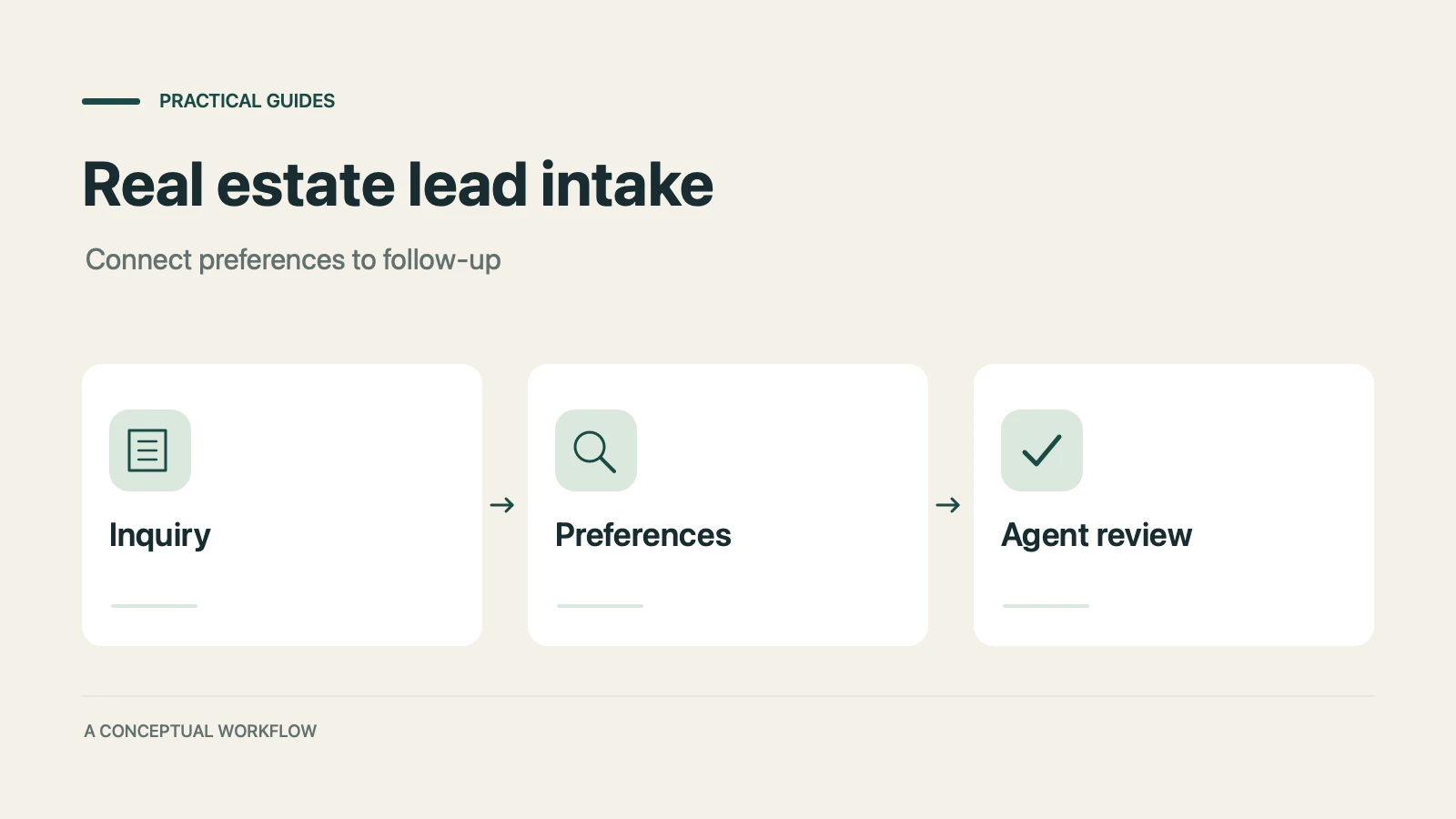
How real estate teams can use OpenClaw and Dashform to qualify inbound leads around the clock and fill calendars with serious buyers.
