
Nine situations, like a roommate rent talk or a vendor delay, compare preparation and trade-offs. The Diplomat or another style is chosen at random.
One of the listed results is selected at random. Your answers are not scored or used to choose the result.
Create engaging quizzes tailored to your brand. Our AI-powered quiz generator helps you build personalized assessments that capture attention and drive engagement.
Discover what your quiz results might reveal

Approach example: preparation, objective criteria, and a clear proposal can make a request easier to explain. Their limit is treating a plan as fixed when new information changes the situation. A useful practice is to state your evidence and then invite questions. This random profile does not establish your usual approach or guarantee that a firm opening succeeds.

Approach example: questions can uncover constraints that a price objection alone does not explain. Curiosity works best alongside a clear statement of your own needs; endless questions can postpone a decision. Try distinguishing confirmed information from assumptions in an imagined negotiation. The randomly displayed profile does not prove your listening skill.

Approach example: changing scope, timing, or other terms can create alternatives to a single price argument. Each trade-off still needs clear costs, consent, and feasibility for both sides. A useful exercise is to compare two complete packages rather than adding complexity for its own sake. This random profile does not predict an agreement.

Approach example: respectful language and attention to the relationship can keep a difficult discussion workable. Maintaining goodwill does not require abandoning a limit or accepting unclear terms. Practice a direct request that also acknowledges the other side’s concern. The random profile does not establish that you avoid conflict or always preserve harmony.

Approach example: discomfort can make someone postpone a request or accept terms before considering them. Preparation, a short pause, and a simple statement of needs can make a conversation more manageable. Context and power differences matter; this is not a personal failure label. The profile is random and does not diagnose anxiety or infer your behavior.
Explore more quizzes in this category

Consider planning, deadlines, interruptions, and teamwork across nine work scenarios. A style like The Architect is then drawn regardless of answers.

Twelve preference questions introduce five U.S. military branch profiles. One, such as Army or Coast Guard, is chosen at random; eligibility isn't rated.

Twelve work situations cover planning, feedback, delegation, and shifting priorities. A profile like The Collaborative Builder is then shown at random.

Nine management situations cover overload, deadlines, disagreement and onboarding. An example like The Decisive Driver is drawn at random, not a rating.

Ten questions review consumer sales: acquisition, pricing, retention, upselling and feedback. Growing Seller or another scenario is random, not a grade.

Thirteen questions practice making change, discounts, tax and greeting customers. Almost Ready or another ending is random, not a job certification.
Tips, guides, and insights on quizzes and lead generation

Gated PDFs collect an email and little else; quiz funnels qualify leads as they answer. An agency playbook for the switch, with 4 B2B templates.
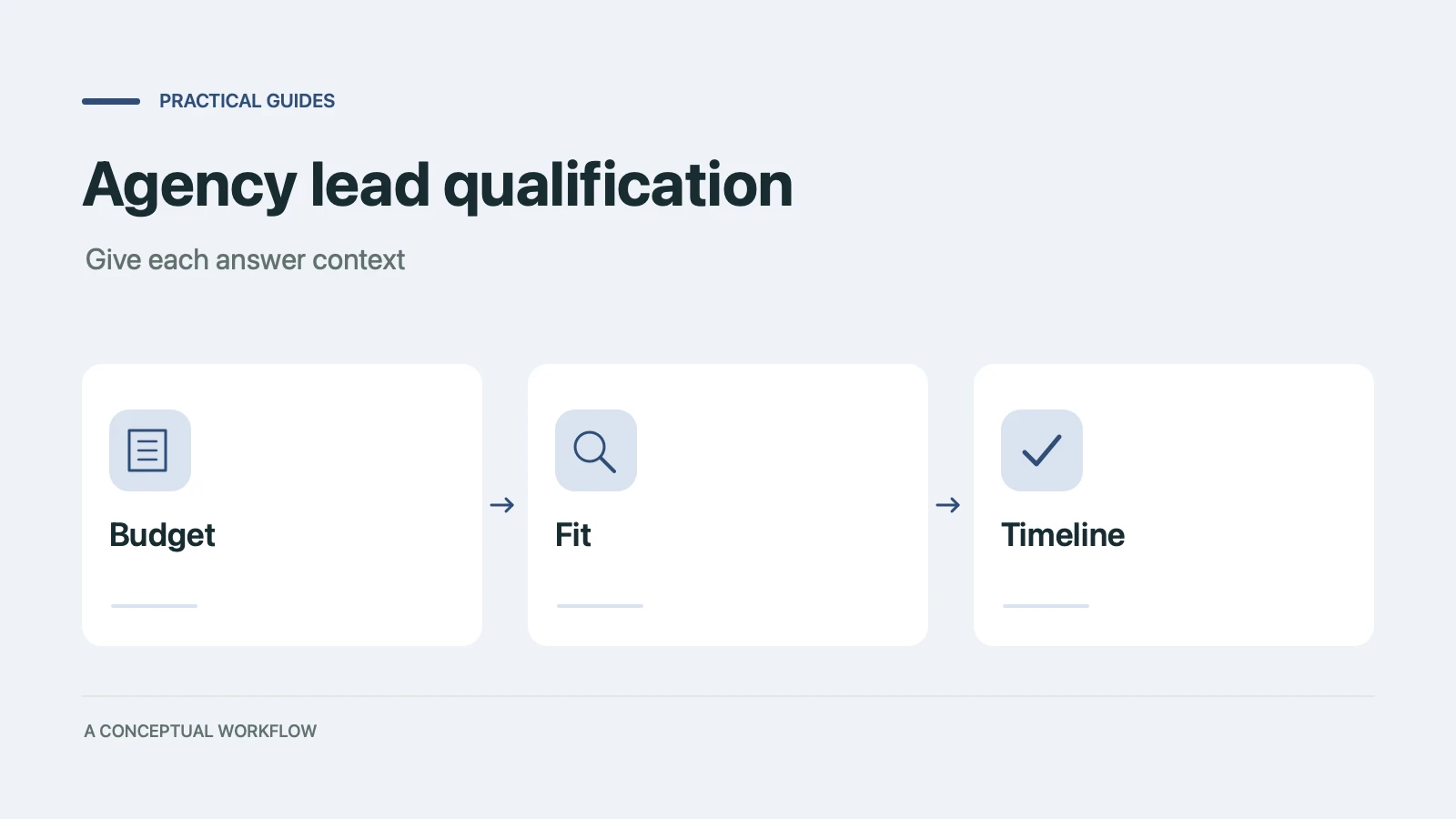
Copy a ten-point agency lead qualification scorecard, check worked examples, and turn the questions into a Dashform inquiry form with clear review rules.
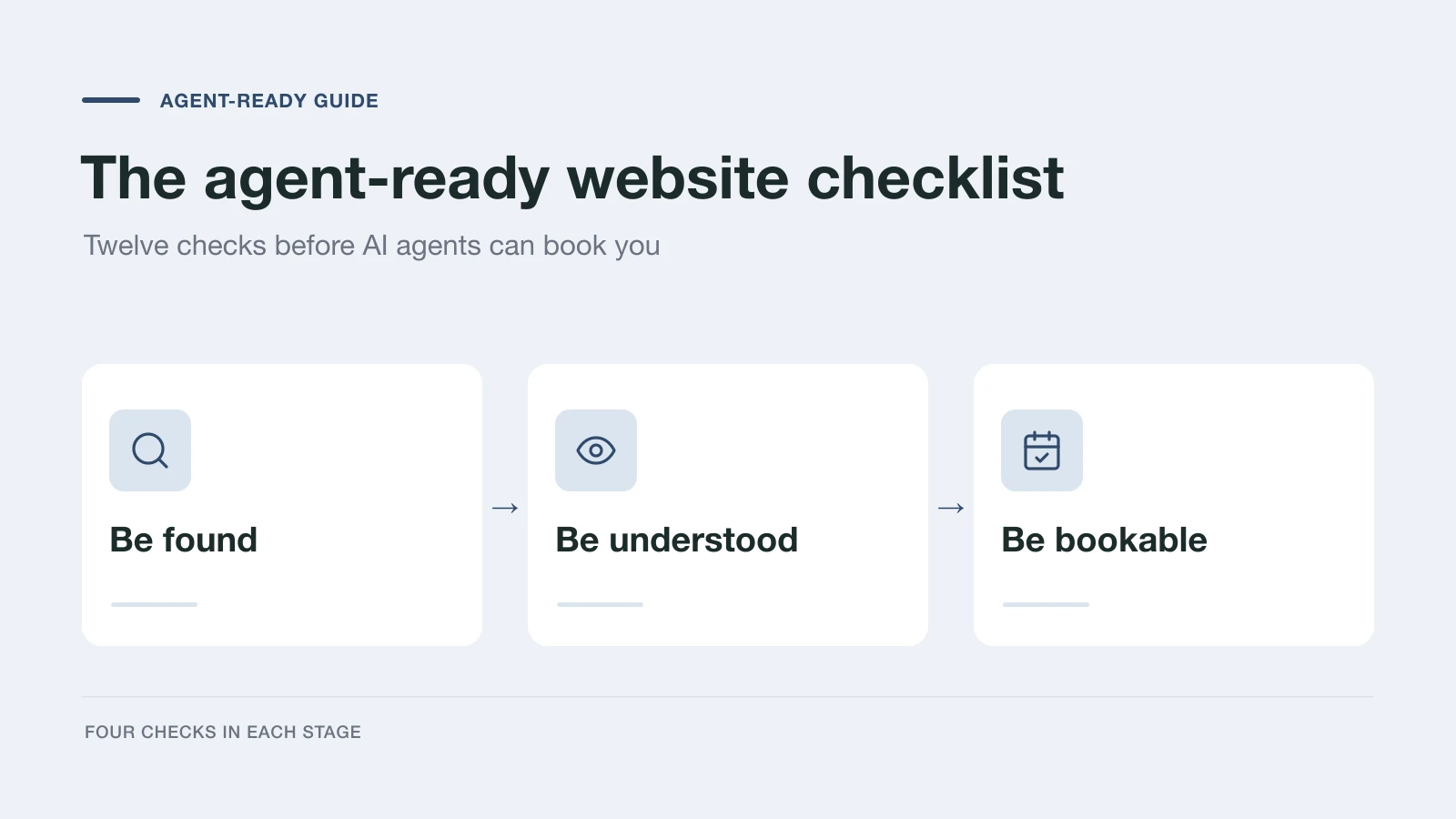
Twelve checks that let AI agents find, understand, and book your service business, in three stages, each linked to the guide that covers it.


