


Record shops, neon clubs, handmade zines, and early internet culture set the scene for nine preference questions. "How do you prefer to discover new music?" joins choices about a Friday evening, decor, social action, films, travel, photography, technology, and outlook. Possible Endings include "You Belong in the 1960s" and "You Belong in the 1990s". A decade portrait is selected at random, not calculated from your answers or birth year; the activity is a cultural conversation game rather than a historical identity test.
One of the listed results is selected at random. Your answers are not scored or used to choose the result.
Create engaging quizzes tailored to your brand. Our AI-powered quiz generator helps you build personalized assessments that capture attention and drive engagement.
Discover what your quiz results might reveal

This sample draws on images of collective action, folk records, and debates about social change. It presents an idealistic cultural mood rather than a claim about what life in that decade was like for everyone. If the portrait interests you, explore a song, film, or local history from the era and notice whose experiences it represents. The randomly selected decade does not establish your politics or where you truly belong.

This portrait combines handmade surroundings, record collections, road-trip imagery, and dance-floor culture. It offers a creative mood to explore, not proof that you would have thrived in another time. Consider which detail appeals most: making something yourself, discovering an album, or gathering people to dance. A decade contains many conflicting experiences beyond the style references used here.

This example emphasizes vivid color, synthesizers, expressive clothing, and large-scale screen entertainment. It invites play with bold presentation without assuming that you seek attention or share an entire era’s values. Choose one visual or musical reference to explore on its own terms. The portrait is a random cultural prompt, not a measured match between your personality and a decade.

This sample uses independent music, mixtapes, handmade magazines, and secondhand style to evoke a particular cultural corner. Its theme is making room for individual taste and questioning polished appearances. You can enjoy those references without treating authenticity as belonging to only one period or group. The random result does not prove that your views or preferences are characteristic of the era.

This portrait explores personal blogs, online messages, digital music discovery, and the meeting of everyday life with early web culture. It can prompt a conversation about what feels personal in a digital space and what you would keep offline. These are selected cultural references, not a complete history of the decade. Your randomly displayed portrait does not measure adaptability or your relationship with technology.
Explore more quizzes in this category

Explore fictional character roles through questions about dates, games, friendship, stress, and story preferences. The question "What’s your role in a group project?" contrasts leading, helping, coordinating, and minimal participation. Possible Endings include "Alpha - Natural Leader", "Beta - Reliable Sidekick", "Omega - Gentle Soul", and "Gamma - The Unpredictable". One is displayed at random without using your answers. These fanfiction archetypes are creative prompts, not a gender diagnosis, biological classification, or guaranteed personality match.

Try puzzles such as "You're running a race and you pass the person in second place. What place are you in now?" and English wordplay before reflecting on learning habits. "Sharp as a Tack!" is randomly selected, not an intelligence score or a count of correct answers. The collection mixes a sheep-counting puzzle, Australian geography, a pill-timing riddle, and preferences about solving problems. Check the exact wording before comparing your reasoning with the FAQ explanations. Knowing a fact or missing a trick does not establish intelligence, and correct answers do not steer the selected Ending.

Compare reported American English usage with "What do you call a sweetened carbonated beverage?" and pronunciation questions. "Californian Accent" is a random regional label, not audio analysis or a reliable identification of your accent. Options compare terms for sandwiches, drinking fountains, glowing insects, and circular intersections, alongside pronunciation spellings for car and pecan. Regional vocabulary overlaps, and people may mix usages. No recording is collected, no phonetic score is calculated, and the four regional Endings are not assigned from your responses.

Revisit ten school-topic questions about planets, multiplication, plants, matter, grammar, and geography. "What is the largest planet in our solar system?" starts the round; later prompts ask about water and the US capital. The final card, such as "Explore a Science Topic", is a randomly chosen study suggestion, not a grade based on your answers. This informal practice does not compare your intelligence with a child or certify a school level. Use the answer guide below to review facts yourself.

Thirteen choices about food, music, clothes, activities, and gifts make up this BTS fan game. "Pick a food." introduces your own tastes, without guessing those of the artists. The Ending "RM-Inspired Fan Profile" is one of eight fictional fan themes selected at random. Member names provide a fandom theme, not evidence of private dating preferences. Your answers do not generate compatibility points or select a matching member.

Twelve questions invite you to choose traditions you would like to learn about, from writing to music and architecture. "Which traditional clothing would you like to learn more about?" offers examples such as kimono and áo dài. The Ending "Explore Japan" suggests further learning; it does not identify your nationality or that of anyone pictured. Images are decorative. The final cultural theme is selected randomly, without calculating affinity with a country from your answers.
Tips, guides, and insights on quizzes and lead generation
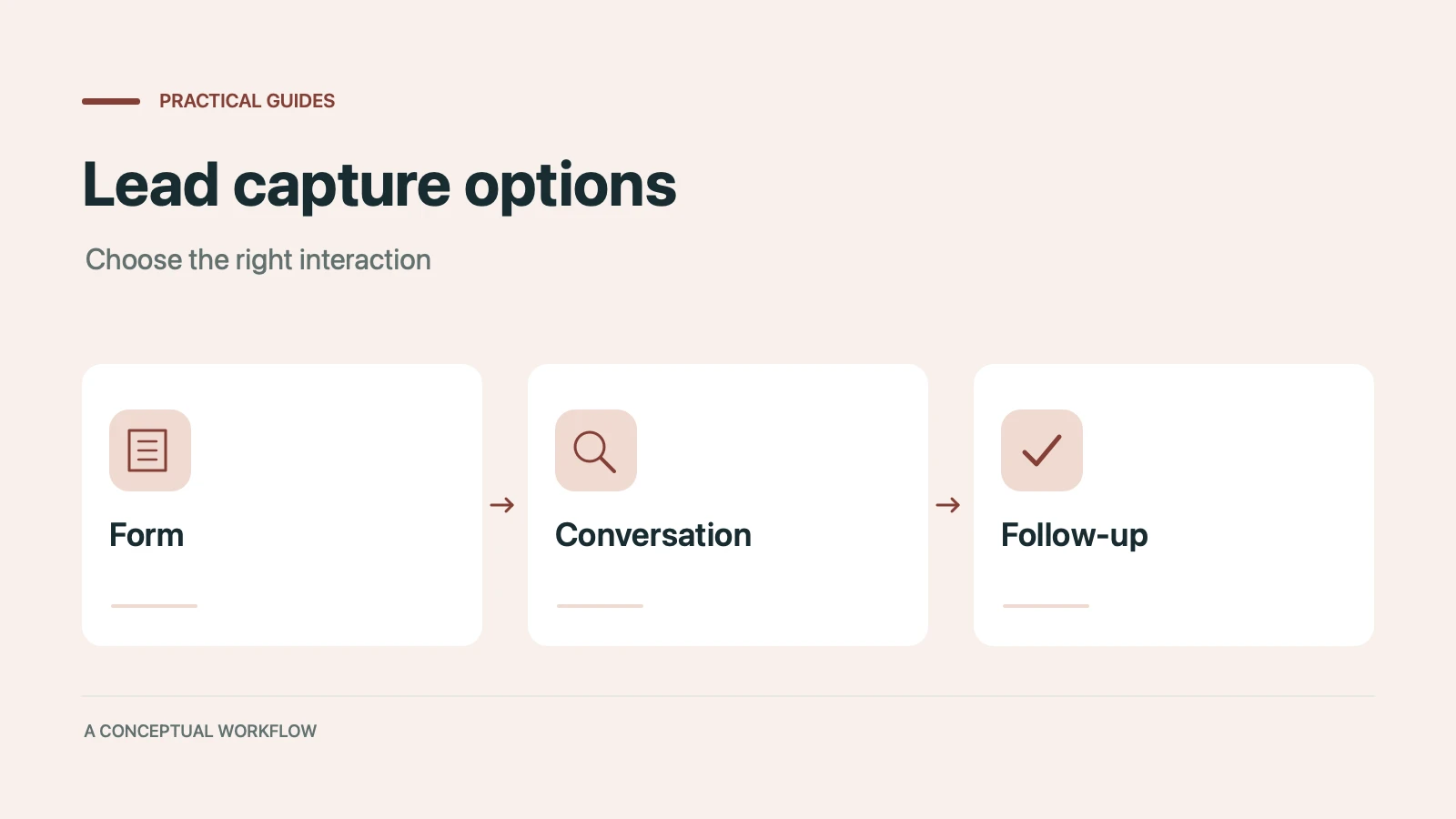
Static forms, AI chatbots, and conversational AI forms compared for lead capture: where each works, where each breaks, and the hybrid stack that combines them.
Call-to-action button examples grouped by goal, with best practices for placement, color, copy, and A/B testing.
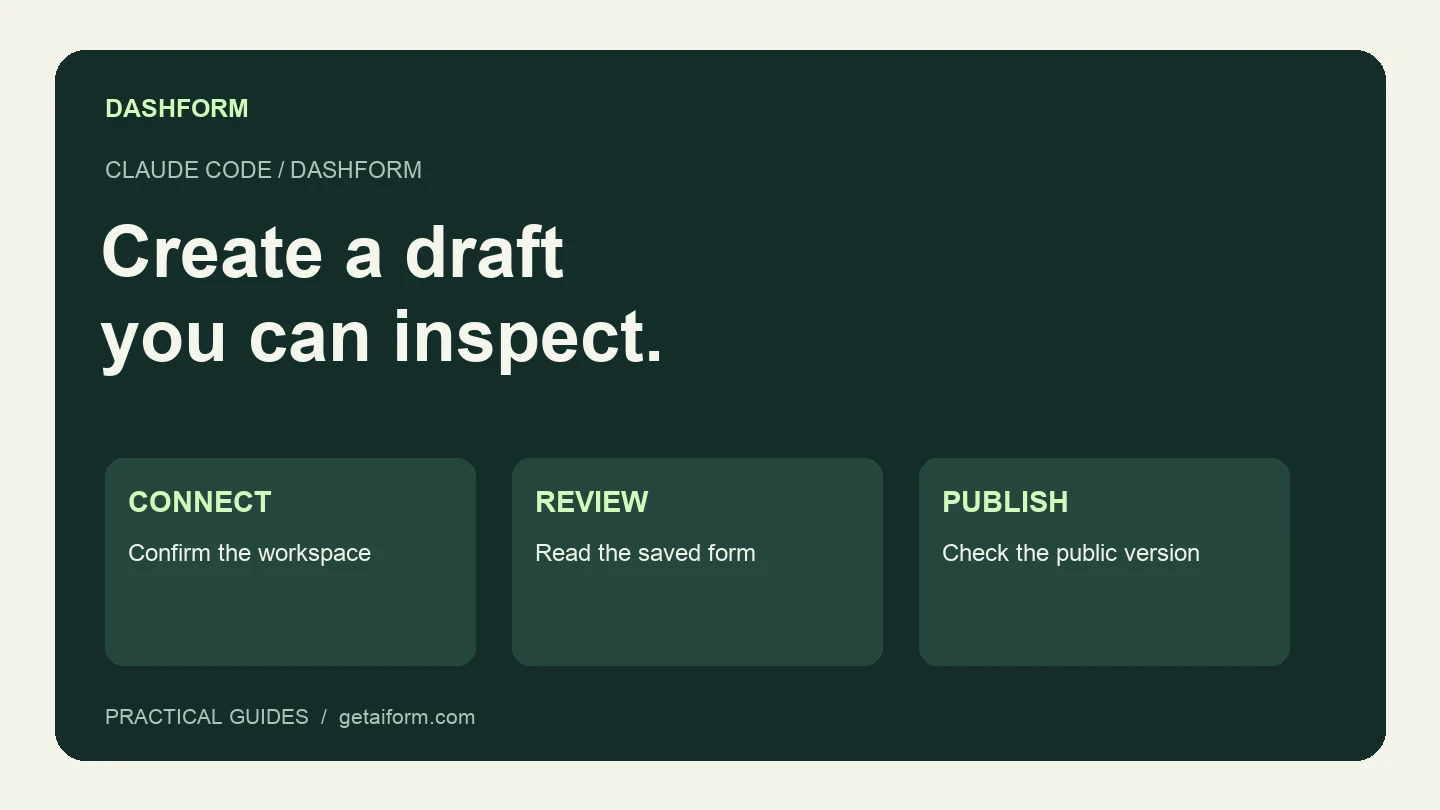
Connect Claude Code to Dashform, create and inspect a form draft, and understand the difference between reusable skills, MCP access, and publishing.
