


Twelve self-report questions explore colors in clothing, gardens, and sunsets, including "Which color palette do you prefer?". The "Noticing Subtle Shades" Ending is random, not a vision-test result. Neither the questions nor the Ending can identify tetrachromacy, cone types, or a color-vision condition.
One of the listed results is selected at random. Your answers are not scored or used to choose the result.
Create engaging quizzes tailored to your brand. Our AI-powered quiz generator helps you build personalized assessments that capture attention and drive engagement.









Discover what your quiz results might reveal

Noticing fine shades does not reveal the number or function of cone types. This Ending was selected at random after answering, not from a score or an analysis of your answers.

Recognizing clear differences cannot confirm typical color vision. This Ending was selected at random after answering, not from a score or an analysis of your answers.

Similar-looking shades can depend on light and context; this is not a diagnosis. This Ending was selected at random after answering, not from a score or an analysis of your answers.

An eye-care professional can assess color vision using suitable tests. This Ending was selected at random after answering, not from a score or an analysis of your answers.
Explore more quizzes in this category

Use "Do you still find pleasure in activities you once enjoyed?" to reflect on enjoyment alongside sleep, energy, and support. "You're Doing Great!" and the other Endings are randomly selected, so they cannot assess mental health or safety. If you may harm yourself, seek urgent local help now rather than waiting for a result. The questions also discuss worry, self-worth, social connection, and seeking professional support. Having few friends or no partner does not by itself indicate poor mental health. Responses do not produce a diagnosis or a risk score, and even a reassuring title must not be used to decide whether help is needed.

Thirteen questions focus on your own urine leakage, bathroom access, sleep, and protection preferences. "Does urine leakage affect your clothing or daily activities?" keeps the focus on concrete experiences. The Ending "Discuss Leakage Support" is one of four randomly selected messages, not a calculated recommendation. Your answers do not determine whether you need diapers or rule out a health concern.

Ten questions organize experiences of dizziness, pulse changes, fatigue, fainting, concentration, and standing tolerance. "Do you experience dizziness or lightheadedness when standing up?" introduces one topic. The Ending "Consider Speaking with a Healthcare Provider" is a randomly selected educational message, not a POTS probability estimate. Answers neither confirm nor rule out the syndrome and do not determine the message.

Observe your dog's reactions to loud sounds, new people, routine changes, toys, and grooming across thirteen questions. An Ending such as “Highly Sensitive” is an illustrative behavior theme. Despite the search title, this is not an autism test or a veterinary screening tool.

Review nine aspects of running: continuous distance, a race goal, recovery, training load, warm-ups, pace tracking, motivation, food, and race experience. “The Fresh Starter” is one example training profile. The questionnaire cannot measure fitness or decide what mileage is safe for you.

Fifteen prompts invite reflection on growth observations, family height, sleep, food, and activity. “Height on Your Mind” is a discussion theme rather than an adult-height forecast. The form does not collect a growth chart or run a medical height calculation.
Tips, guides, and insights on quizzes and lead generation
Dashform and LeadQuizzes side by side: templates, AI generation, white-label, lead scoring, and pricing, and which fits marketers and small businesses.

Design agencies often struggle with unqualified leads and time-consuming discovery calls. This article explores how structured intake forms and assessments help agencies qualify clients earlier, streamline workflows, and win better-fit projects.
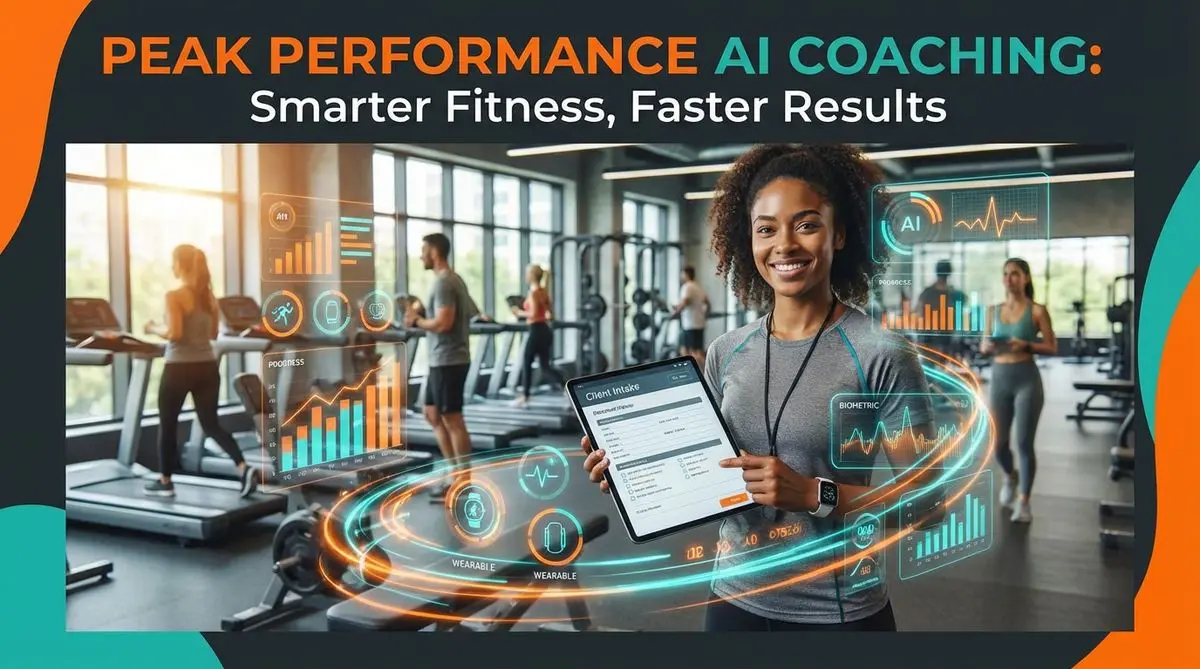
Stop spending hours on unqualified discovery calls. AI intake forms qualify fitness clients on goals, budget, and commitment before they book.
