


Thirteen prompts combine visible traits with questions you might ask about inheritance, family resemblance, health, and ancestry tests. “Family Resemblance Explorer” is a genetics-learning theme. No DNA sample or population dataset is used, so the page cannot tell you whether your genetics are rare.
One of the listed results is selected at random. Your answers are not scored or used to choose the result.
Create engaging quizzes tailored to your brand. Our AI-powered quiz generator helps you build personalized assessments that capture attention and drive engagement.









Discover what your quiz results might reveal
Explore family observations without treating a visible trait as proof of a particular gene or ancestry.

A short questionnaire cannot establish which traits are rare. Look for sources that distinguish observation from genetic explanation.

Many traits involve multiple influences. This result is a learning theme, not a claim about your genetic adaptability.

Ask what evidence supports a claim before accepting it. This quiz has no DNA data and cannot measure biological uniqueness.
Explore more quizzes in this category

Use "Do you still find pleasure in activities you once enjoyed?" to reflect on enjoyment alongside sleep, energy, and support. "You're Doing Great!" and the other Endings are randomly selected, so they cannot assess mental health or safety. If you may harm yourself, seek urgent local help now rather than waiting for a result. The questions also discuss worry, self-worth, social connection, and seeking professional support. Having few friends or no partner does not by itself indicate poor mental health. Responses do not produce a diagnosis or a risk score, and even a reassuring title must not be used to decide whether help is needed.
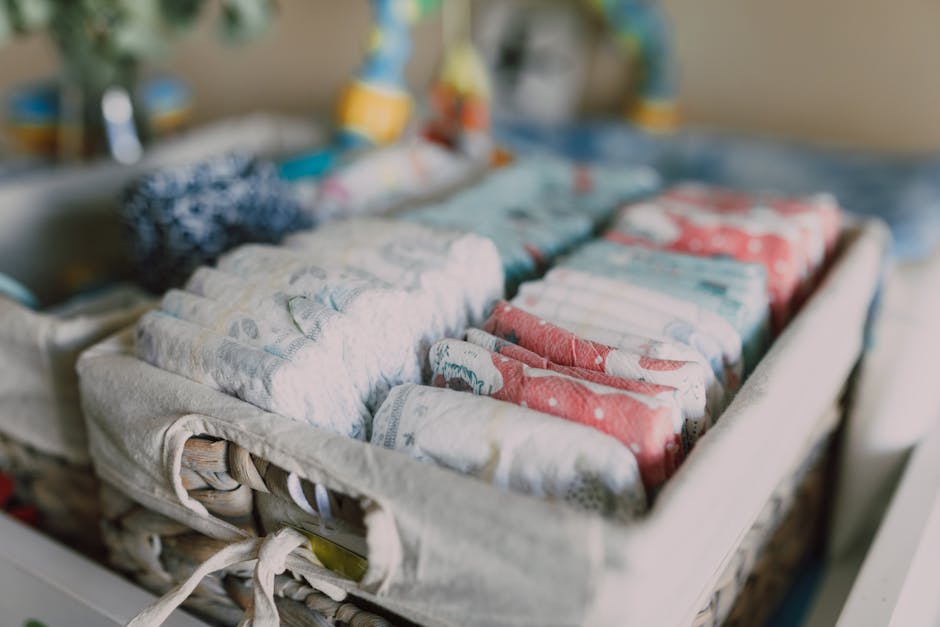
Thirteen questions focus on your own urine leakage, bathroom access, sleep, and protection preferences. "Does urine leakage affect your clothing or daily activities?" keeps the focus on concrete experiences. The Ending "Discuss Leakage Support" is one of four randomly selected messages, not a calculated recommendation. Your answers do not determine whether you need diapers or rule out a health concern.

Ten questions organize experiences of dizziness, pulse changes, fatigue, fainting, concentration, and standing tolerance. "Do you experience dizziness or lightheadedness when standing up?" introduces one topic. The Ending "Consider Speaking with a Healthcare Provider" is a randomly selected educational message, not a POTS probability estimate. Answers neither confirm nor rule out the syndrome and do not determine the message.

Observe your dog's reactions to loud sounds, new people, routine changes, toys, and grooming across thirteen questions. An Ending such as “Highly Sensitive” is an illustrative behavior theme. Despite the search title, this is not an autism test or a veterinary screening tool.

Review nine aspects of running: continuous distance, a race goal, recovery, training load, warm-ups, pace tracking, motivation, food, and race experience. “The Fresh Starter” is one example training profile. The questionnaire cannot measure fitness or decide what mileage is safe for you.
Fifteen prompts invite reflection on growth observations, family height, sleep, food, and activity. “Height on Your Mind” is a discussion theme rather than an adult-height forecast. The form does not collect a growth chart or run a medical height calculation.
Tips, guides, and insights on quizzes and lead generation
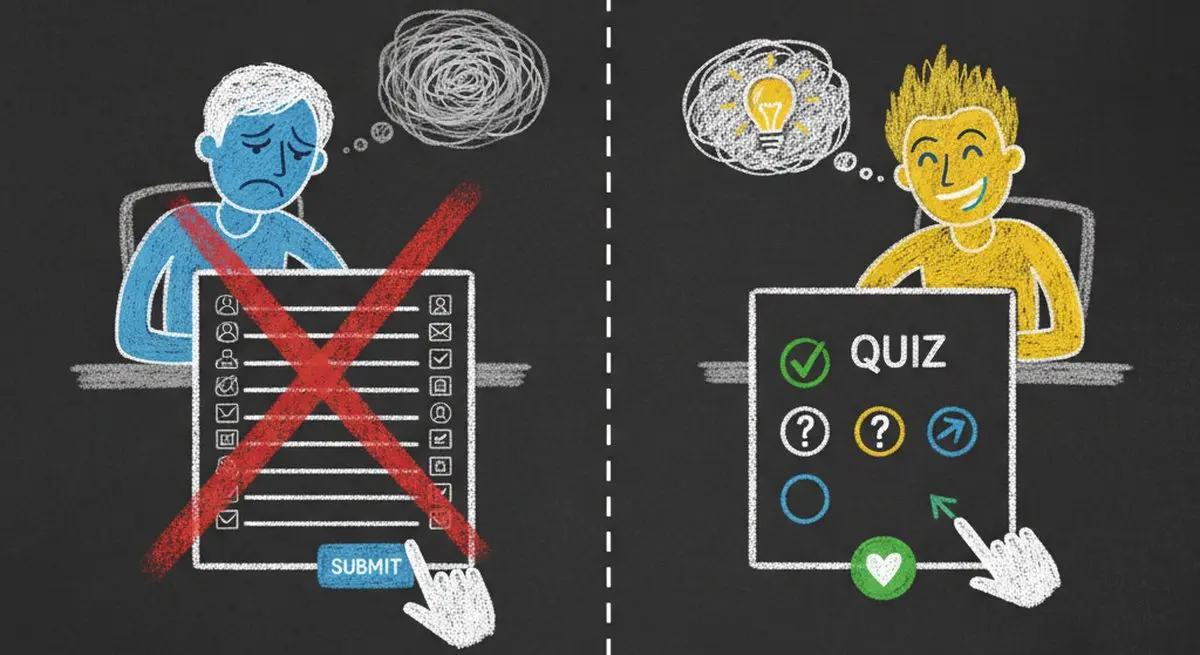
Long forms lose visitors; short quizzes give them a reason to answer. The psychology, the framework, and a 3-question template for capturing more leads from the same traffic.
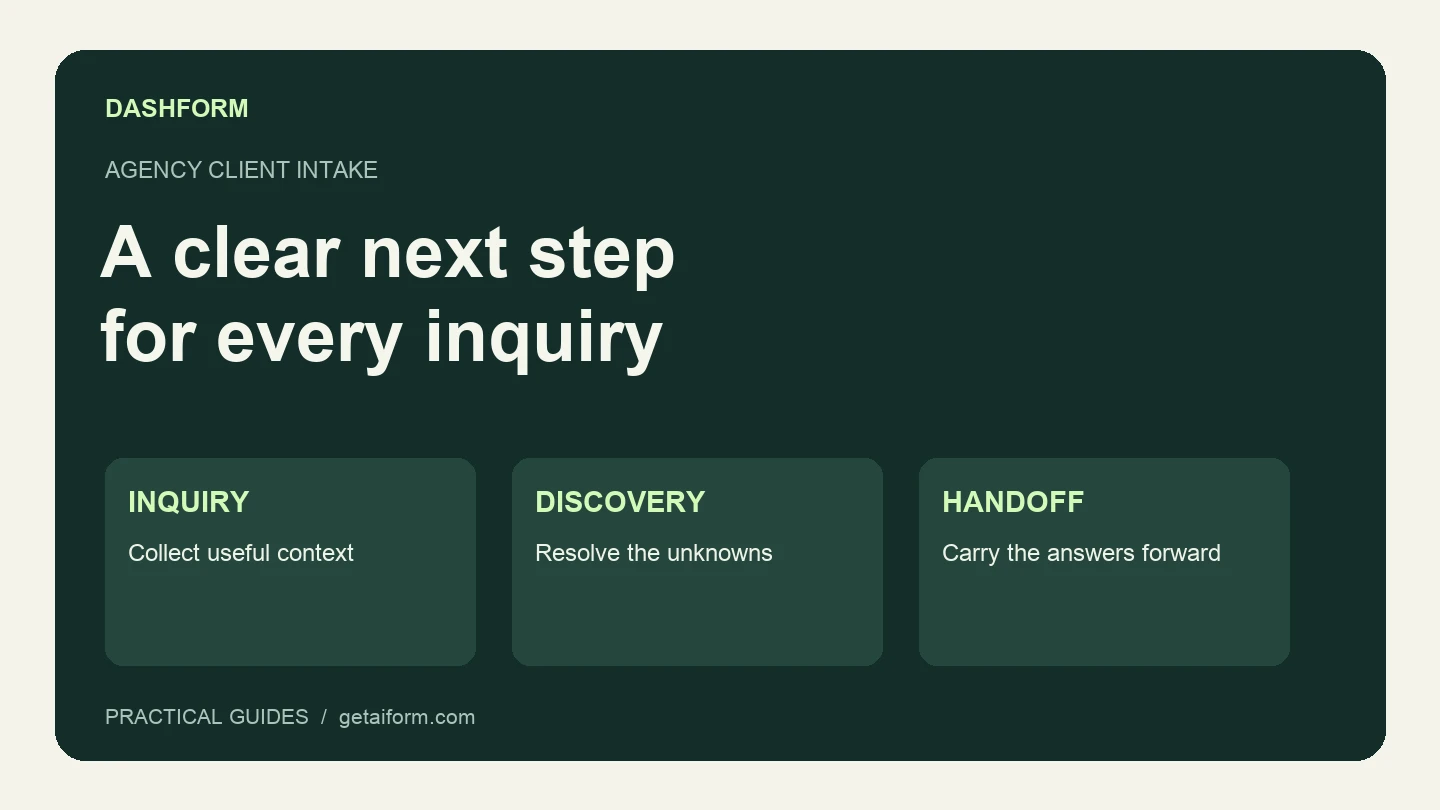
A practical agency intake workflow covering the first form, fit review, clarification, discovery, and handoff, with copyable questions and response examples.

Client qualification has evolved from ad-hoc discovery calls into structured systems. This article breaks down the modern qualification process coaches use to assess fit, protect time, and scale efficiently.
