


Review English Wordle habits: opening words, colored clues, repeated letters, unfamiliar answers, and streak pressure. The question "You reach guess four and realise the answer might have a double letter — like FLOSS or ABBEY. What happens?" considers FLOSS and ABBEY. Possible examples include "Wordle Novice" and "Word Wizard". The displayed example is random and does not grade your answers, calculate an average, or compare you with other players. Use the questions to examine your own decisions.
One of the listed results is selected at random. Your answers are not scored or used to choose the result.
Create engaging quizzes tailored to your brand. Our AI-powered quiz generator helps you build personalized assessments that capture attention and drive engagement.
Discover what your quiz results might reveal

This random learning example focuses on clues. Green marks the right letter in the right position; yellow means another position in the answer. With repeated letters, attend to how many copies receive color. Explain what each guess ruled out. This example does not establish that you are a beginner.

This random example describes enjoying a daily challenge without optimizing every move. A familiar opener simplifies starting but cannot guarantee a short solve. Check candidates against every clue before submitting. Enjoyment and careful play can coexist; your ability has not been measured.

This random practice example emphasizes keeping several candidates in mind and choosing guesses that distinguish them. An informative word may differ from a likely answer; hard mode restricts which clues must be reused. Consider repeated letters before a late guess. This is not an awarded proficiency level.

This random advanced-practice example explores difficult patterns, repeated letters, and similar candidates. Review unfamiliar solutions and the information earlier guesses supplied. A two-guess solve can involve luck, and no method guarantees every puzzle. The playful title is not a ranking based on your answers.
Explore more quizzes in this category

Explore fictional character roles through questions about dates, games, friendship, stress, and story preferences. The question "What’s your role in a group project?" contrasts leading, helping, coordinating, and minimal participation. Possible Endings include "Alpha - Natural Leader", "Beta - Reliable Sidekick", "Omega - Gentle Soul", and "Gamma - The Unpredictable". One is displayed at random without using your answers. These fanfiction archetypes are creative prompts, not a gender diagnosis, biological classification, or guaranteed personality match.

Try puzzles such as "You're running a race and you pass the person in second place. What place are you in now?" and English wordplay before reflecting on learning habits. "Sharp as a Tack!" is randomly selected, not an intelligence score or a count of correct answers. The collection mixes a sheep-counting puzzle, Australian geography, a pill-timing riddle, and preferences about solving problems. Check the exact wording before comparing your reasoning with the FAQ explanations. Knowing a fact or missing a trick does not establish intelligence, and correct answers do not steer the selected Ending.

Compare reported American English usage with "What do you call a sweetened carbonated beverage?" and pronunciation questions. "Californian Accent" is a random regional label, not audio analysis or a reliable identification of your accent. Options compare terms for sandwiches, drinking fountains, glowing insects, and circular intersections, alongside pronunciation spellings for car and pecan. Regional vocabulary overlaps, and people may mix usages. No recording is collected, no phonetic score is calculated, and the four regional Endings are not assigned from your responses.

Revisit ten school-topic questions about planets, multiplication, plants, matter, grammar, and geography. "What is the largest planet in our solar system?" starts the round; later prompts ask about water and the US capital. The final card, such as "Explore a Science Topic", is a randomly chosen study suggestion, not a grade based on your answers. This informal practice does not compare your intelligence with a child or certify a school level. Use the answer guide below to review facts yourself.

Thirteen choices about food, music, clothes, activities, and gifts make up this BTS fan game. "Pick a food." introduces your own tastes, without guessing those of the artists. The Ending "RM-Inspired Fan Profile" is one of eight fictional fan themes selected at random. Member names provide a fandom theme, not evidence of private dating preferences. Your answers do not generate compatibility points or select a matching member.

Twelve questions invite you to choose traditions you would like to learn about, from writing to music and architecture. "Which traditional clothing would you like to learn more about?" offers examples such as kimono and áo dài. The Ending "Explore Japan" suggests further learning; it does not identify your nationality or that of anyone pictured. Images are decorative. The final cultural theme is selected randomly, without calculating affinity with a country from your answers.
Tips, guides, and insights on quizzes and lead generation
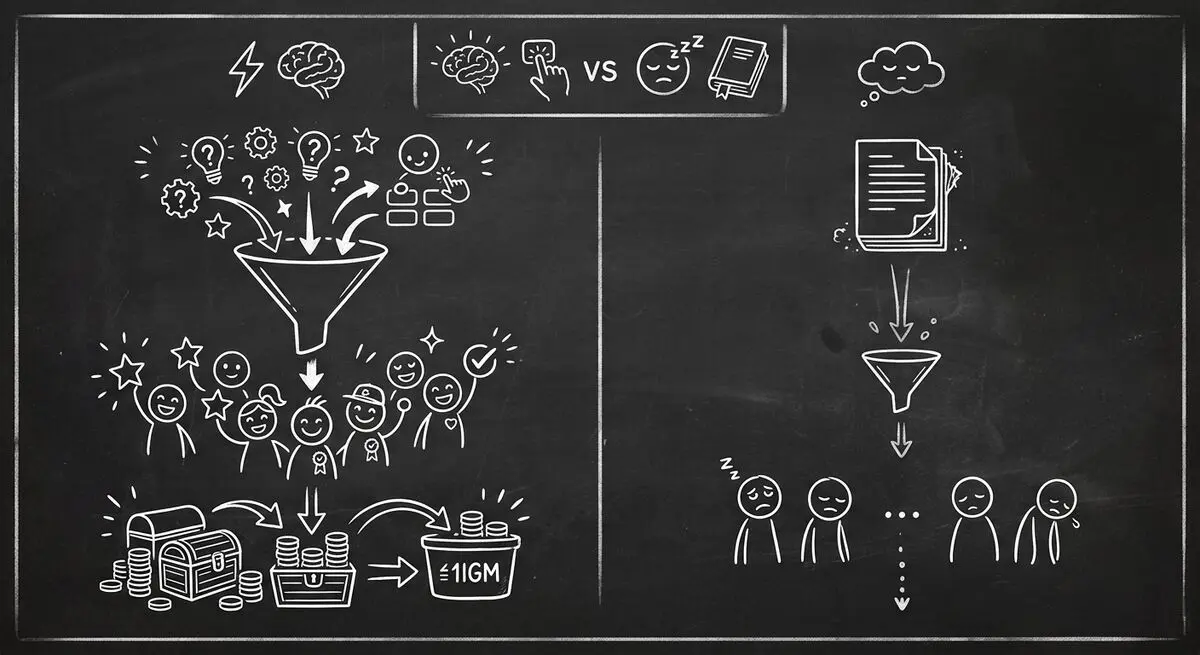
Compare quiz funnels and downloadable resources, interpret platform-specific conversion data, and design a test using your own audience.
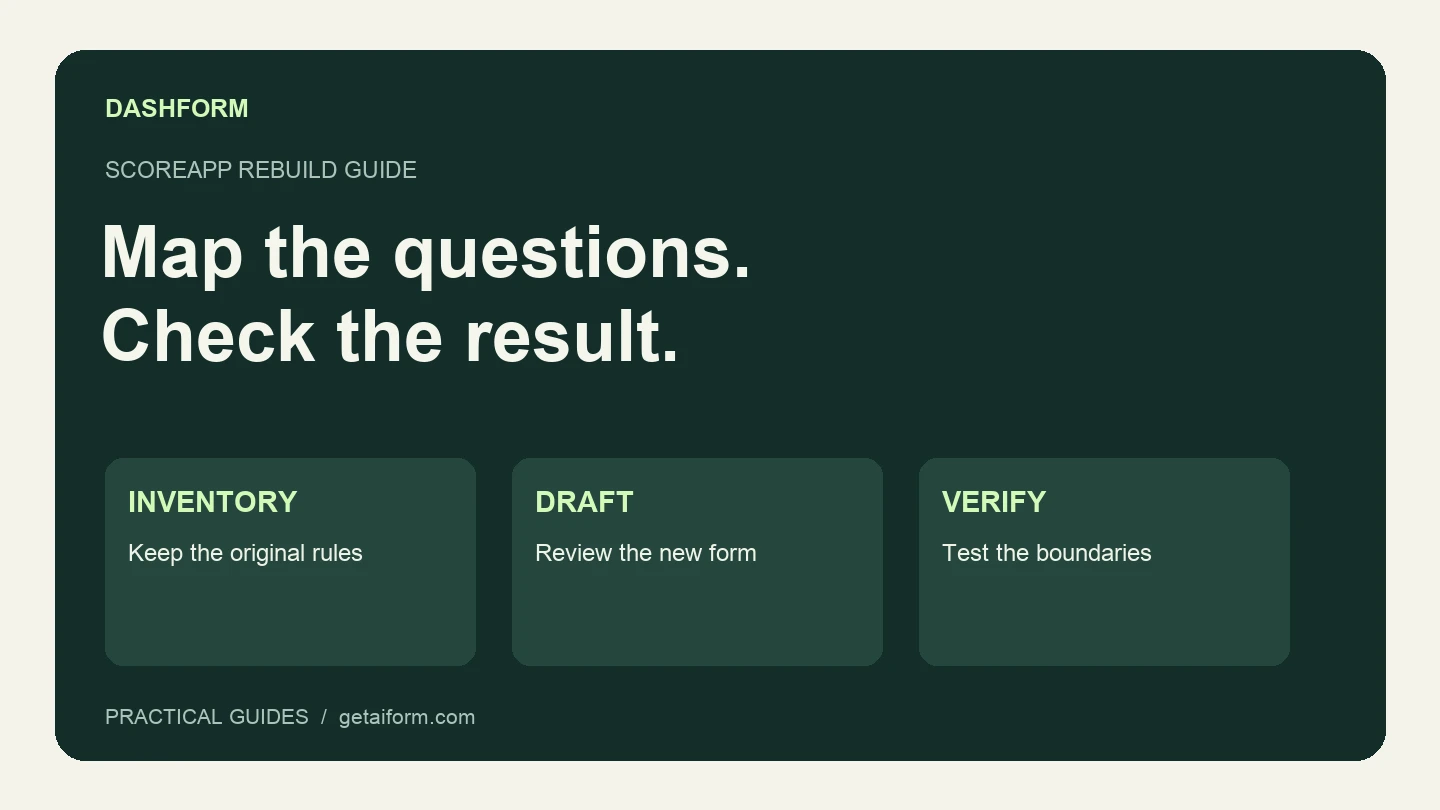
Map an existing ScoreApp assessment into a Dashform intake workflow, with a copyable brief, scoring worksheet, test cases, and clear migration limits.
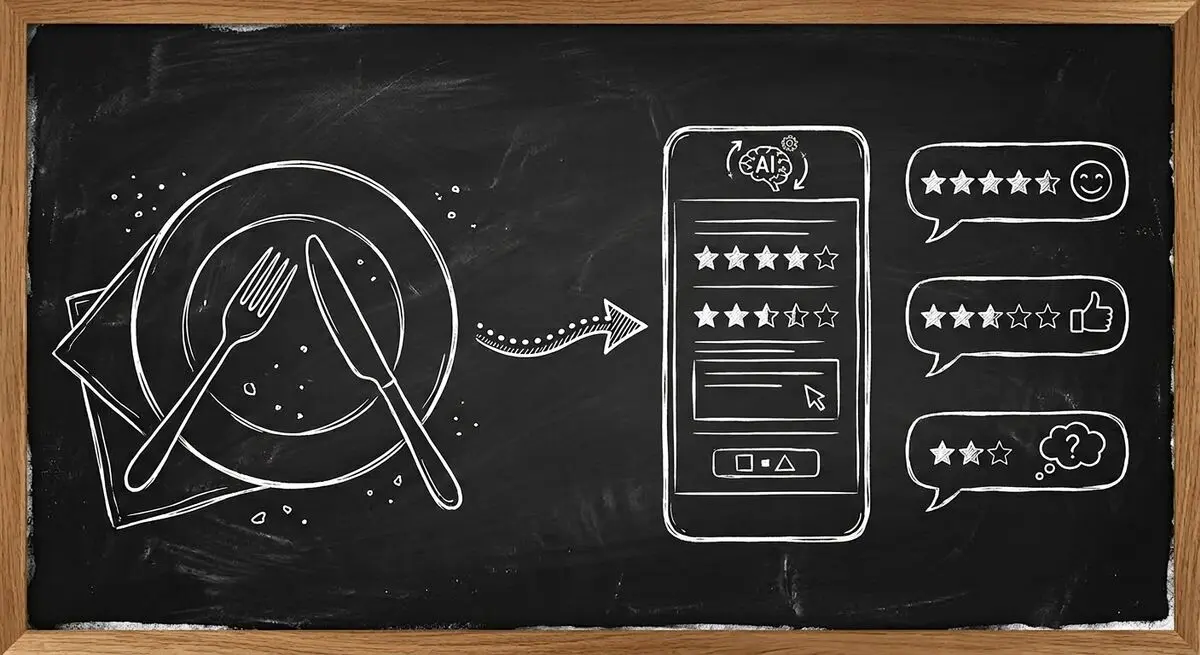
How restaurants use AI-powered feedback forms to capture customer sentiment in real time, resolve problems before they become public reviews, and bring guests back. A complete setup guide with QR code strategy.
