

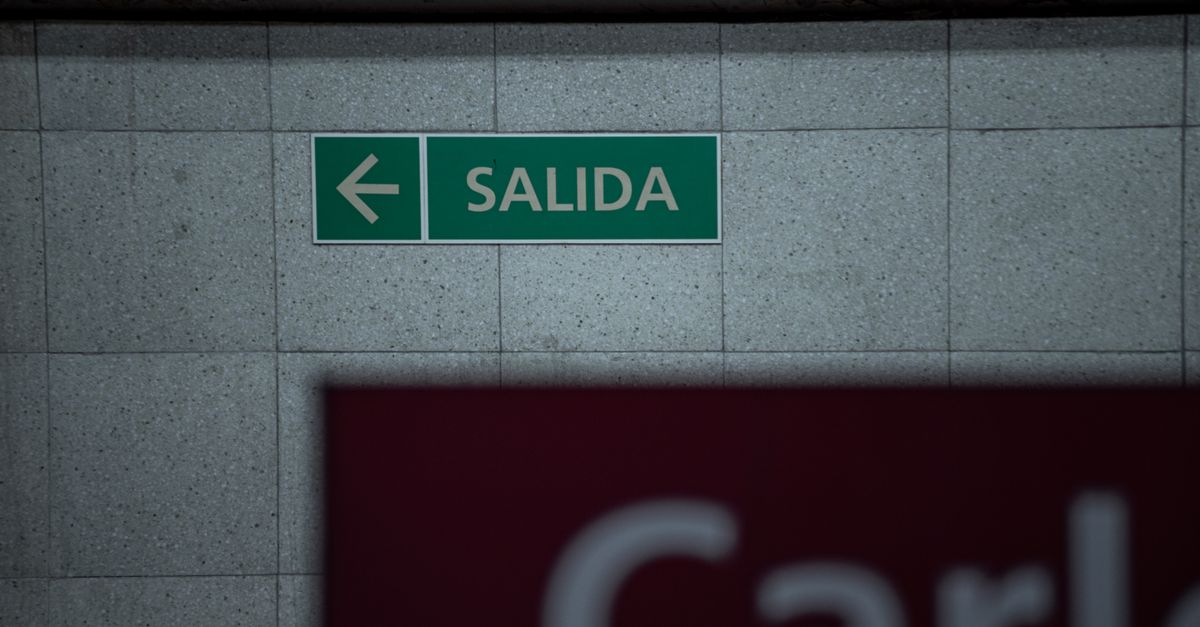
Think you know more than hola and gracias — but can you actually hold a conversation? This quiz throws you into real situations: a Madrid waiter rattling off specials, a text message from a Spanish friend, a road sign mid-detour. Ten scenario-based questions will map you honestly to one of five fluency levels, from first-week beginner to near-native speaker. No multiple-choice tricks — just situations that reveal exactly what your Spanish can and can't do.
One of the listed results is selected at random. Your answers are not scored or used to choose the result.
Create engaging quizzes tailored to your brand. Our AI-powered quiz generator helps you build personalized assessments that capture attention and drive engagement.
Discover what your quiz results might reveal
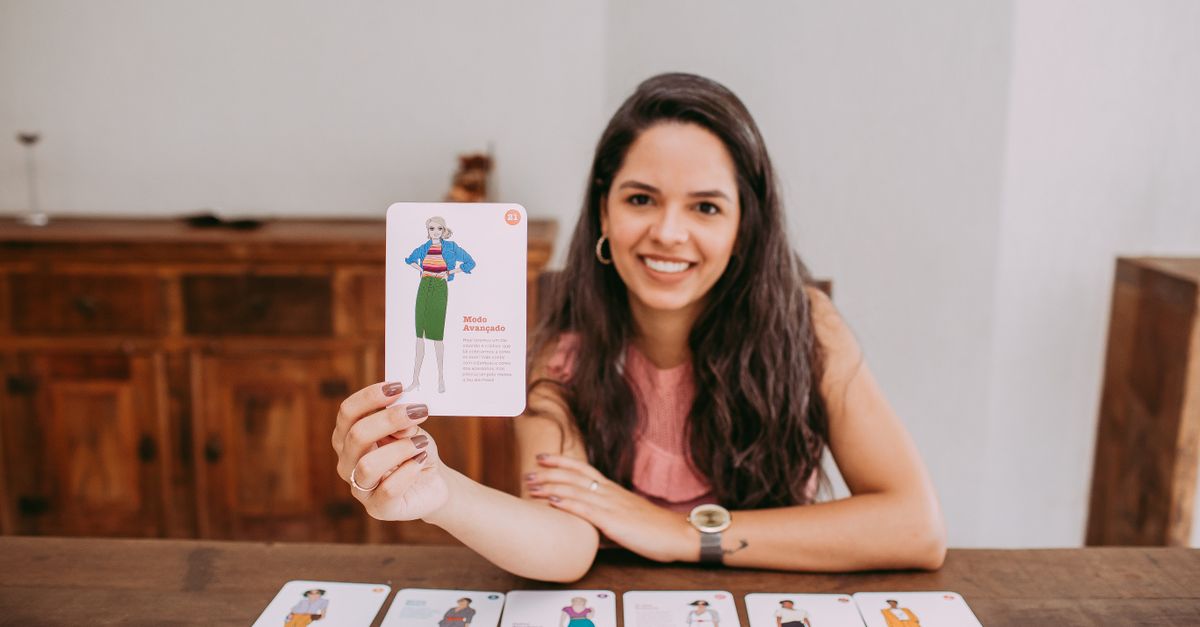
You know a handful of words — hola, gracias, maybe cerveza — but building a sentence in real time is still out of reach. That's the starting line, not a failure. Your fastest path forward is learning the 500 most common Spanish words alongside basic sentence patterns; with 15 minutes a day you'll be able to introduce yourself and order food within a few weeks.

You can handle the most scripted exchanges — buying a ticket, asking for directions — but the moment a native speaker goes off-script you're reaching for your phone. The foundation is real; what's missing is volume. More listening to slow, clear Spanish (podcasts like 'Español con Juan' or 'Coffee Break Spanish') will stretch your ear faster than grammar drills will.

You navigate everyday life in Spanish with a mix of genuine ability and creative guesswork — you get the point across even when the grammar isn't perfect. Past tenses trip you up, the subjunctive feels like a rumour, and fast native speakers still leave you blinking. The classic intermediate plateau: push through it with Spanish TV (try 'La Casa de Papel' with Spanish subtitles) and weekly conversation exchanges.

You hold real conversations, read articles with minimal look-ups, and rarely need to bail into English — that puts you solidly at B2. What separates you from fluency now is speed and idiom: the expressions that don't translate literally and the instinct to reach for them without thinking. A month of deliberate immersion — Spanish-language media, a language partner, or a trip — will close the remaining gap noticeably.

You think in Spanish, track humour and tone without a delay, and handle unexpected topics without freezing — that's B2–C1 or higher, and most native speakers would never switch to English on you. The only thing left to polish is regional texture: the slang of Seville is different from Buenos Aires, and literature will expose you to registers your textbooks never covered. You've done the hard work; now it's just about staying sharp.
Explore more quizzes in this category

Compare the kind of coaching or consulting support you would seek through ten questions about goals, working style, implementation help, team training, and signs of progress. "What would make this session most valuable for you?" contrasts action steps, new perspectives, independent tools, and accountability. The displayed Ending is chosen randomly and is not determined by your answers. This is a preference exercise with no contact fields; it neither registers you for a webinar nor supplies a consulting engagement. "The Action-Oriented Achiever" emphasizes practical next steps, while "The Reflective Strategist" offers a contrasting focus on examining choices.

Ten short riddles focus on wording and assumptions. "How many months have 28 days?" invites you to separate what is stated from what you imagine. The Ending "Good Logical Thinker" is a practice message selected randomly after the questions, without counting correct answers. Simple calculations sit alongside a letter puzzle that keeps its English words in translations so the wordplay still works.

Explore what you would want from a community workshop: practical instruction, shared experimentation, new connections, or a chance to contribute. "How do you prefer to participate in group activities?" sits alongside questions about group size, materials, and follow-up interests. The displayed Ending is chosen randomly and is not determined by your answers. This public quiz is a workshop-fit reflection: it has no contact fields, does not reserve a place, and does not send workshop links. "The Dedicated Learner" focuses on building skills, while "The Thoughtful Contributor" considers contributing experience to the group.

Ten questions explore what you want to learn, how you participate, and what you could use after a session. "What device will you primarily use to attend the webinar?" adds device context, while "Are you interested in earning a certificate of completion?" asks about certificate interest. Examples include "Curious Explorer" and "Engaged Practitioner". The final learning profile is randomly selected and independent of answers. This preview does not register you, reserve a place, send materials, or issue a certificate.

Review ten parts of an email program, starting with "Select the approach that best describes your list building strategy" and continuing through cadence, personalization, automation, segmentation, testing, subject lines, nurturing, analytics, and deliverability. The questions can organize a discussion about current practices. An Ending such as "Email Novice" is drawn randomly, without inspecting campaign data or using your selections. The four examples offer planning ideas rather than a maturity rating, personalized audit, or promise of higher revenue.

Prepare for an expert talk by considering speaker interests, topic familiarity, useful formats and recording preferences. "Which material would help you prepare for the talk?" asks which preparation material would help, distinct from the desired takeaway. "The Engaged Participant" is one of four sample Endings. The sample is random and independent of answers. This quiz neither registers attendance nor collects a question for the speaker.
Tips, guides, and insights on quizzes and lead generation

12 event planning templates: registration, RSVPs, waivers, and feedback, with free templates and AI-powered versions for larger events.
Find property management templates for maintenance, tenant updates, inspections, and rental administration, with a practical rollout and review checklist.

15 real estate forms and templates agents use to capture leads, run showings, collect feedback, and keep transactions organized.
