


Review ten parts of an email program, starting with "Select the approach that best describes your list building strategy" and continuing through cadence, personalization, automation, segmentation, testing, subject lines, nurturing, analytics, and deliverability. The questions can organize a discussion about current practices. An Ending such as "Email Novice" is drawn randomly, without inspecting campaign data or using your selections. The four examples offer planning ideas rather than a maturity rating, personalized audit, or promise of higher revenue.
One of the listed results is selected at random. Your answers are not scored or used to choose the result.
Create engaging quizzes tailored to your brand. Our AI-powered quiz generator helps you build personalized assessments that capture attention and drive engagement.









Discover what your quiz results might reveal

This sample plan begins with foundations: describe the subscription clearly, obtain appropriate permission, make unsubscribing easy, and authenticate the sending domain. Draft a welcome message that sets expectations for content and frequency. Track delivery errors and meaningful actions rather than treating opens as proof of attention. Choose a sending rhythm the audience and team can sustain. The randomly selected plan does not establish that your program lacks these practices or require buying new software.
This example explores focused improvements after the basics are in place. Define a useful segment from data you may appropriately use, then prepare content that addresses its needs. Test a clear hypothesis with an outcome chosen in advance; document uncertainty rather than declaring every change a win. Review automation exit rules so people stop receiving irrelevant messages. This random plan is a discussion option, not a finding that your campaigns are growing or underperforming.
This sample plan coordinates several journeys. Map welcome, education, purchase, and re-engagement messages to identify conflicting timing or repeated offers. Check consent, frequency limits, and suppression rules across workflows before adding more. Connect campaign outcomes to business goals while acknowledging that attribution is incomplete. A simple maintainable program may serve the audience better than a complicated model. The randomly displayed example does not certify your strategy or predict conversion improvements.
This example focuses on stewardship of an established program. Assign owners to automations, document data sources and retention, review access, and retire experiments that no longer help subscribers. Compare new tools against a clear baseline before adopting them. Keep human review for claims, tone, and sensitive personalization. Share what was learned, including failed hypotheses. The title names an illustrative plan; the random draw does not award expertise or guarantee deliverability, loyalty, or return on investment.
Explore more quizzes in this category

Compare the kind of coaching or consulting support you would seek through ten questions about goals, working style, implementation help, team training, and signs of progress. "What would make this session most valuable for you?" contrasts action steps, new perspectives, independent tools, and accountability. The displayed Ending is chosen randomly and is not determined by your answers. This is a preference exercise with no contact fields; it neither registers you for a webinar nor supplies a consulting engagement. "The Action-Oriented Achiever" emphasizes practical next steps, while "The Reflective Strategist" offers a contrasting focus on examining choices.

Ten short riddles focus on wording and assumptions. "How many months have 28 days?" invites you to separate what is stated from what you imagine. The Ending "Good Logical Thinker" is a practice message selected randomly after the questions, without counting correct answers. Simple calculations sit alongside a letter puzzle that keeps its English words in translations so the wordplay still works.

Explore what you would want from a community workshop: practical instruction, shared experimentation, new connections, or a chance to contribute. "How do you prefer to participate in group activities?" sits alongside questions about group size, materials, and follow-up interests. The displayed Ending is chosen randomly and is not determined by your answers. This public quiz is a workshop-fit reflection: it has no contact fields, does not reserve a place, and does not send workshop links. "The Dedicated Learner" focuses on building skills, while "The Thoughtful Contributor" considers contributing experience to the group.

Ten questions explore what you want to learn, how you participate, and what you could use after a session. "What device will you primarily use to attend the webinar?" adds device context, while "Are you interested in earning a certificate of completion?" asks about certificate interest. Examples include "Curious Explorer" and "Engaged Practitioner". The final learning profile is randomly selected and independent of answers. This preview does not register you, reserve a place, send materials, or issue a certificate.

Prepare for an expert talk by considering speaker interests, topic familiarity, useful formats and recording preferences. "Which material would help you prepare for the talk?" asks which preparation material would help, distinct from the desired takeaway. "The Engaged Participant" is one of four sample Endings. The sample is random and independent of answers. This quiz neither registers attendance nor collects a question for the speaker.

Review fire-safety concepts including alarm procedures, PASS, US extinguisher classes, evacuation and assembly points. "What determines the required fire-drill schedule for a building?" asks what determines drill frequency rather than assuming one schedule fits every building. Possible study prompts include "Review the Emergency Plan". The Ending is randomly selected, not scored from your answers; this unofficial exercise offers neither answer-by-answer feedback nor certification readiness.
Tips, guides, and insights on quizzes and lead generation
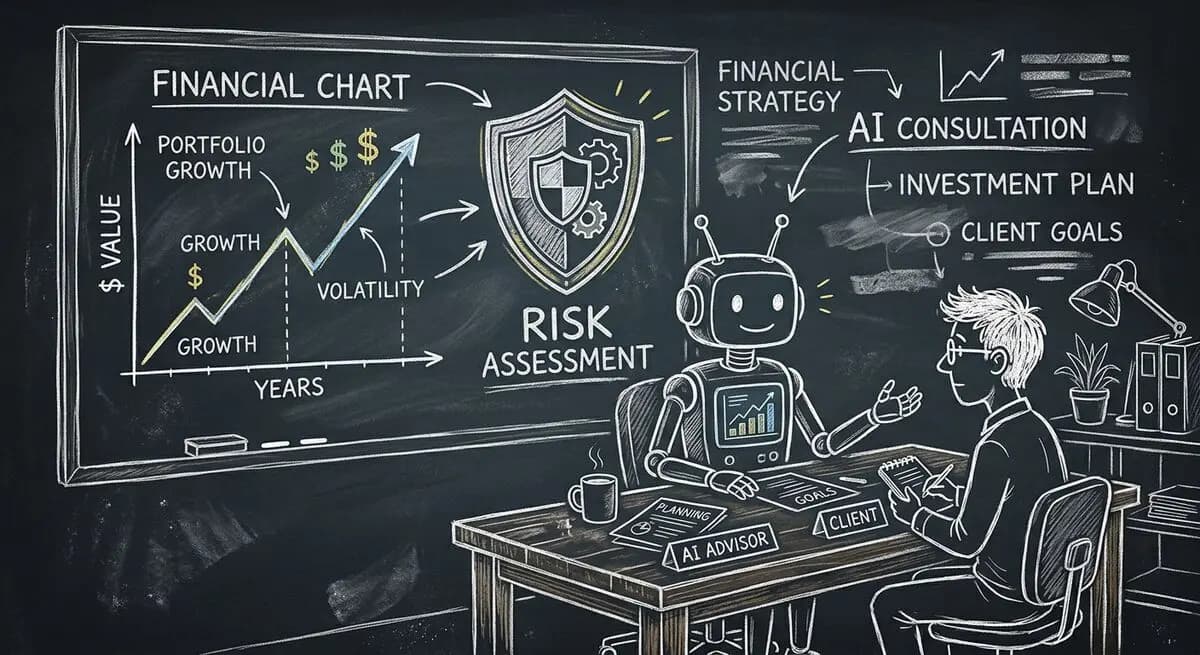
A proposed financial advisory intake workflow using Dashform and a separately configured OpenClaw agent, with advisor review and explicit integration boundaries.

How solo and mid-size firms can use OpenClaw and Dashform to qualify case intake around the clock, so attorneys spend consultations on viable cases. Step-by-step setup.
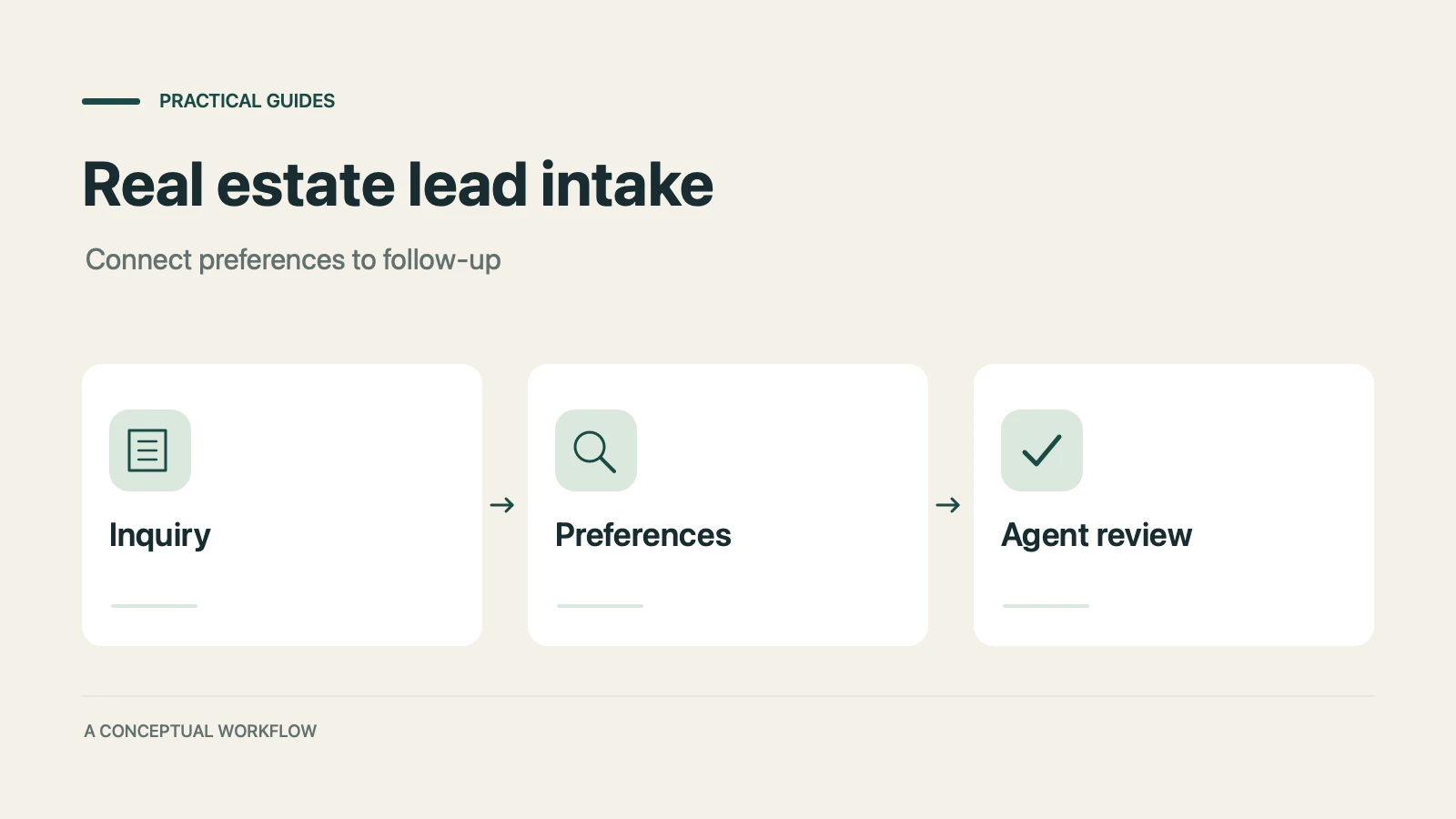
How real estate teams can use OpenClaw and Dashform to qualify inbound leads around the clock and fill calendars with serious buyers.
