The Reading Attitudes Survey opens by asking students how often they read for pleasure and how much they enjoy it, establishing a baseline before exploring preferences and obstacles. The "Which genres do you enjoy reading the most? (Select all that apply)" question is optional and multi-select so students aren't forced into a single answer, giving teachers a realistic picture of what their class actually likes to read. Two open-ended questions — "What challenges, if any, do you face when reading?" and "What kind of environment do you find most conducive for reading?" — surface personal barriers and conditions that a teacher can act on directly. The "Do the books assigned in school influence your overall interest in reading?" question and the final "What could your school or teacher do to make reading more engaging or accessible for you?" question connect student experience to classroom decisions. After submitting, students see a thank-you screen confirming their input will be used to improve teaching strategies and resources.
Try the conversation below to see how this template works
Trusted by over 10,000 customers and growing
Conversations Started
Questions Answered
Forms Created
The 'Do the books assigned in school influence your overall interest in reading?' question directly links student motivation to classroom choices, helping teachers refine their reading lists.
The genre question's eleven options — from science fiction to biography/memoir to graphic novels/comics — map exactly what students want on the shelves.
The 'What could your school or teacher do to make reading more engaging or accessible for you?' question collects open-ended student recommendations that can inform school-wide literacy programmes.

AI builds and refines your form through natural conversation no templates, no complex logic, no coding. From a simple text prompt or URL, Dashform generates intelligent flows that adapt automatically.
Dashform turns traditional form-filling into a two-way dialogue. The AI understands intent, remembers context, and asks relevant follow-up questions just like a real human conversation.
Every response is transformed into structured, meaningful, and ready-to-use data. Integrate with your favorite tools.
Everything you need to create amazing forms
Everything you need to know about this template
Don't see exactly what you need? Use our AI Form Generator to create a custom form in seconds. Just describe what you want, and AI will build it for you.
Explore more templates to find the perfect fit
 Course Registration
Register for computer tuition by selecting your course, preferred schedule, and sharing a little about your experience.
 Attendance
A seven-question entry log that records employee identity, department, visit purpose, and policy confirmation before granting premises access.
 Job Application
Collect applicant contact details, a CV, data-processing consent, and the source of a job referral.
 Consent
Collect informed GDPR consent and acknowledgment from respondents in five structured steps.
 Contact
A clean six-question form for capturing general inquiries, including contact details, subject, message, and preferred follow-up method.
 Survey
Collect neighborhood residents' perceptions of urban change, housing affordability, and community involvement in local planning.
Learn how to get the most out of your forms and templates

8 law firm intake form templates: case evaluation, conflict check, retainer agreement, and more, as free AI-powered forms.
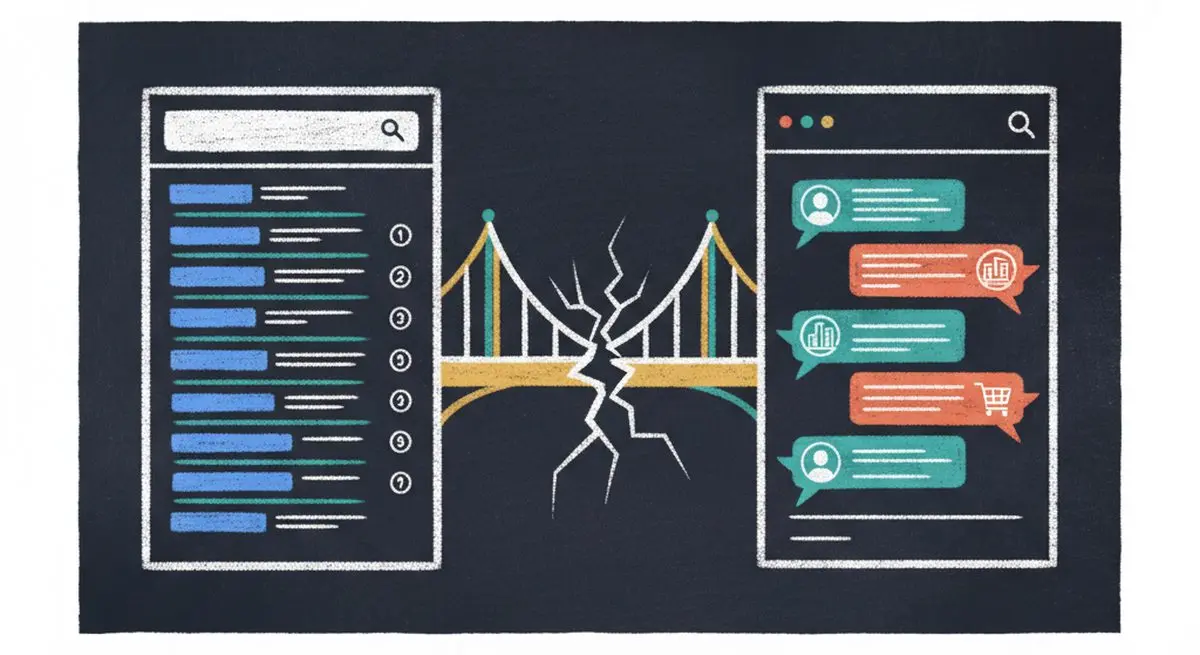
SEO alone isn't enough anymore. How SEO, AEO (Answer Engine Optimization), and AXO differ, and how to appear in ChatGPT, Claude, and AI agent picks.
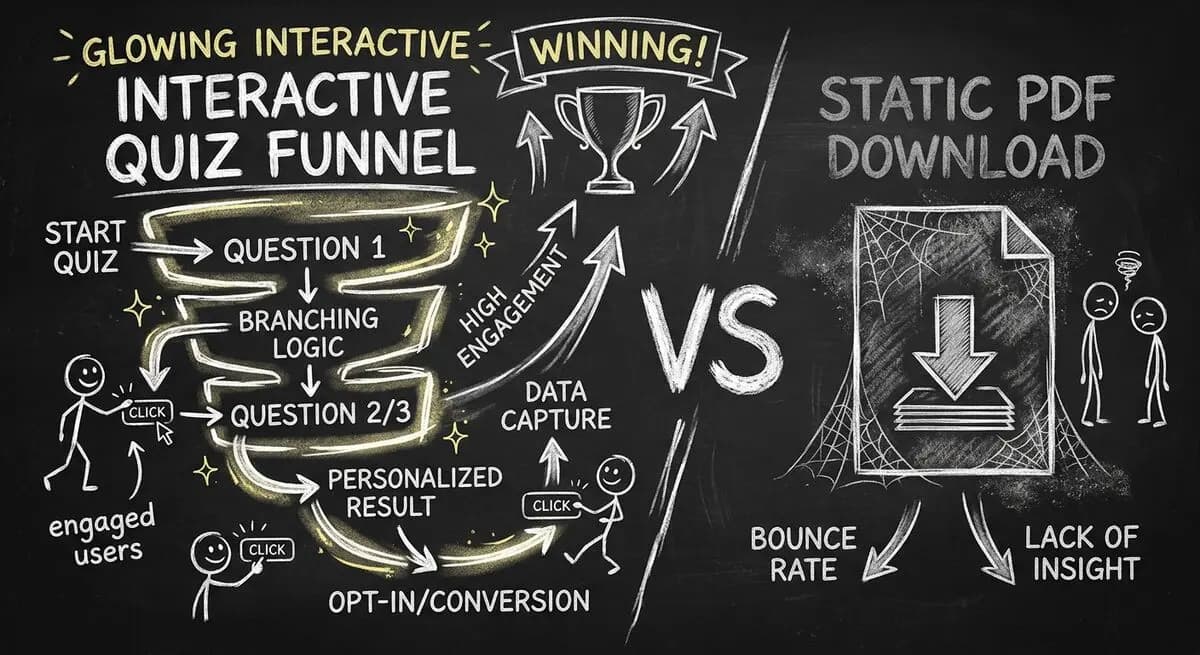
Gated PDFs collect an email and little else; quiz funnels qualify leads as they answer. An agency playbook for the switch, with 4 B2B templates.
Try the world's first AI-native form and turn every response into action instantly.